

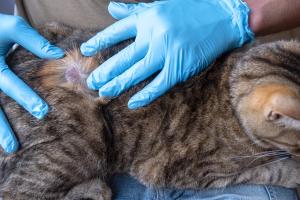










After testing by the FDA and the Ohio Department of Agriculture, 2 lots of Radagast raw cat food tested positive for Listeria monocytogenes.
After testing by the FDA and the Ohio Department of Agriculture, 2 lots of Radagast raw cat food tested positive for Listeria monocytogenes.

Seroprevalence of Neospora caninum is low in German female breeding dogs, a population in which N caninum seroprevalence had not been investigated previously.
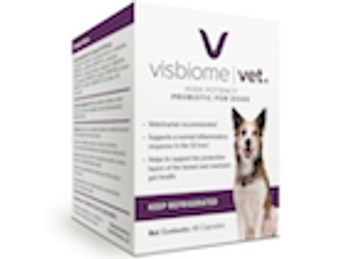
Two studies have shown that a high-potency probiotic marketed for people has great potential to support gastrointestinal health in dogs.

The Pet Effect is real, and it offers an excellent opportunity to show your clients how important you are not only to their pet’s health but to their own health and wellbeing.

An international team of scientists has created a protein-based vaccine to protect horses from strangles, one of the most frequently identified equine infectious diseases.

The ASPCA Animal Poison Control Center released a list of the most common pet toxins they received reports about in 2017.

Two leading organizations in cancer research have joined forces, taking a One Health approach on comparative oncology.

How accurately do auricular and axillary temperature measurement match the gold standard of rectal temperature?

Is it diagnostically useful to heat-treat serum samples when testing for the presence of heartworm antigen? A recent study sought to answer that question.
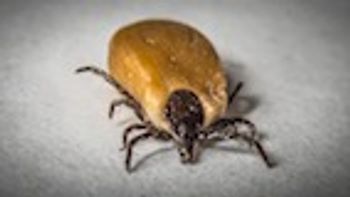
Does exposure to tickborne disease indicate an increased risk for chronic kidney disease in dogs?

Nationwide outlined the most common most conditions dogs and cats were treated for in 2017.

Research warns of the presence of zoonotic bacterial and parasitic pathogens— including E coli, Listeria, and Salmonella—in raw meat–based pet foods.

For the first time, a team of veterinary specialists has performed surgery to treat hydrocephalus in a Northern fur seal named Ziggy Star.

Alterations in lipid properties in atopic canine skin are similar to the changes seen in humans with the condition.

Ineffective prevention methods and uneducated veterinary professionals might be reasons for the sharp increase of canine influenza already detected this year. But the new Heroes for Healthy Pets certification program aims to help practices better understand infectious diseases.

Kim Long will also oversee the client division for the Atlantic Coast Veterinary Conference.

A UC Davis study is calling for more regulations regarding chickens being raised in urban and suburban settings.

An Austrian study concluded that hunting dogs may be carriers for the infectious disease tularemia.

Splenectomy significantly increases median survival time, although the benefit of chemotherapy and supportive care remains unknown.

Audiology students at 3 universities are administering hearing tests to animals through the FETCHLAB program.
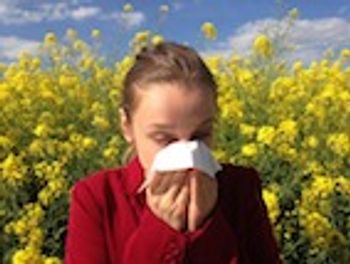
How does living environment affect allergy development? A recent study sought to find out.

If you purchased this raw pet food, its manufacturer is urging you to discontinue use and return the product to its place of purchase.

Redbarn Pet Products has expanded its February 9 recall of 7-inch Bully Sticks.

A recent study has shown that xylazine effectively induces vomiting in cats after toxicant or foreign object ingestion, but at what cost?

A recent study set out to determine whether dogs with cardiac conditions had higher rates of complications under anesthesia than healthy dogs.
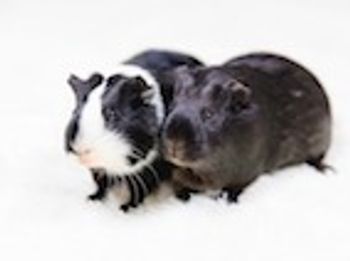
Nine people have been discovered as infected with a specific strain of Salmonella enteritidis. After an investigation, contact with pet guinea pigs has been identified as the likely source of the outbreak.

The endocannabinoid system in dogs becomes more active during CNS inflammation, suggesting the system’s potential role as a therapeutic target.
Two additional companies have issued recalls of raw pet food products due to potential contamination with Salmonella and Listeria.

Can a dog owner’s personality and mental health status be linked to behavior problems in his or her pet?

Scientists have developed a faster and less expensive way to create camelid antibodies that can be used to study proteins and design new drugs.
