





Infectious Diseases & Epidemiology
Latest News
Advertisement
Latest Videos






Shorts

0:52
Essential advice from a rabies expert
10 days ago
by
Justin Louis, Content Producer
3:00
Weekly Vet Report: Adequan recall, vaccine updates and tularemia in animals
2 months ago
by
Abi Bautista-Alejandre, Assistant Editor

0:31
Blood PCR is less likely than urine PCR to be positive for leptospirosis
2 months ago
by
Jane Sykes, BVSc, DACVIM (SAIM), PhD, MPH, MBA, FNAP(+1 more)

0:35
One thing that ruins canine leptospirosis PCR results
3 months ago
by
Jane Sykes, BVSc, DACVIM (SAIM), PhD, MPH, MBA, FNAP(+1 more)

0:41
Why veterinarians should submit both blood and urine for leptospirosis testing
3 months ago
by
Jane Sykes, BVSc (Hons), PhD, DACVIM(+1 more)
2:20
Weekly Vet Report: FIP's shorter treatment window, lone star ticks driving red-meat allergies & more
3 months ago
by
Abi Bautista-Alejandre, Assistant Editor

4:00
Weekly Vet Report: Cat-to-human bird flu transmission, a new injectable for itchy dogs, and a major raw pet food recall
4 months ago
by
Abi Bautista-Alejandre, Assistant Editor

0:35
IgM vs IgG: Choosing the right lepto test
5 months ago
by
Jane Sykes, BVSc, DACVIM (SAIM), PhD, MPH, MBA, FNAP(+1 more)
3:45
The Weekly Vet Report: $11.5M false advertising settlement, H5N1, & more
6 months ago
by
Abi Bautista-Alejandre, Assistant Editor
4:01
The Weekly Vet Report: 72 captive tigers die of canine distemper, bird flu in northern elephant seals, & more
7 months ago
by
Abi Bautista-Alejandre, Assistant Editor
Podcasts




CE Content

























Advertisement
More News

The CDC says multiple US jurisdictions have reported increases in human exposures to rabid or potentially rabid animals since July, along with increased use of rabies postexposure prophylaxis.

Parvovirus cases fell sharply over 13 years, but mortality risk in puppies remains high, study finds
A retrospective review of nearly 79,000 dogs across more than 1000 primary care hospitals found that parvovirus diagnoses dropped by more than 85% between 2010 and 2022, but of the dogs with known outcomes, nearly 44% still died or were euthanized within 14 days of diagnosis.

Texas A&M researchers mapped the range of a native soft tick with a documented history of African swine fever vector competence.
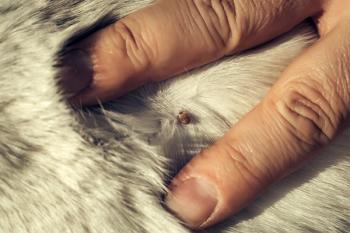
Suffolk County, New York, has logged 4 probable or confirmed human cases of tularemia this year. Here's what veterinary teams should know about the zoonotic disease, including its clinical signs, diagnosis, and treatment in animals.

FT-IR spectroscopy enables rapid bacterial strain typing, helping veterinarians trace outbreaks such as Klebsiella mastitis quickly to protect herds and food security.
dvm360’s Australian correspondent Phil Tucak shares updates on Qwoll, a new practice management system built for locum vets and mobile veterinary nurses and technicians; and H5 avian influenza detected in Australia
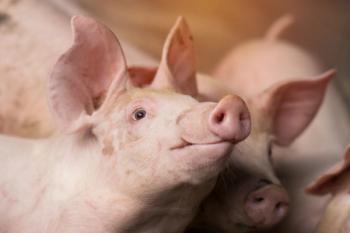
Fewer than 2 months after pseudorabies was detected in a US commercial swine herd for the first time in more than 20 years, federal and state officials have closed the Iowa case and formally restored the country's disease-free status.
Elanco's TruCan Ultra Lyme-L4 is a combination therapy that aims to protect dogs against increasing health risks.

Federal and state officials identified Listeria monocytogenes in multiple Raaw Energy products distributed across 9 states. The company has since stopped production and expanded its recall to all products made over a 5-month period.

USDA funds Texas Tech to decode Streptococcus suis risk in pigs, linking microbiome and farm practices to prevent outbreaks and cut antibiotics.
The first US commercial pseudorabies case in more than 2 decades has triggered surveillance, depopulation, and biosecurity measures in Iowa and Texas.

A public health investigation documented the transmission, but risk continues to remain low.
Two new studies deepen the H5N1 picture in US dairy herds.

The event will be held August 28-30, 2026, featuring keynotes, hands-on labs, lunch-and-learn sessions, and more.

A first-of-its-kind FDA approval for canine behavioral conditions, a potential milestone in veterinary vaccine technology, and new research complicating the picture of how H5N1 moves through dairy farm environments.
A US Environmental Protection Agency emergency exemption is allowing US officials to import Tanidil as part of a growing federal response to prevent New World screwworm from entering the country.
The authorization adds to a growing list of treatments cleared under emergency use as federal agencies ramp up efforts to prevent New World screwworm from reestablishing in the United States.
Poultry farms in Pennsylvania, Indiana, Maryland, and Michigan have reported highly pathogenic avian influenza cases, contributing to the millions of birds affected over the past 30 days.

An outbreak of canine distemper virus killed 72 tigers at a popular tourist attraction in Thailand, ruling out earlier concerns about avian influenza and raising questions about disease risks in captive tiger populations.

UC Davis teams track HPAI H5N1 in northern elephant seals at Año Nuevo State Park, revealing symptoms, spread, and guidance on preventive measures for visitors.
Pennsylvania boosts HPAI surveillance and biosecurity as avian influenza hits chicken and turkey flocks; USDA testing ramps up to curb spread.
Although the parasite has not yet been detected in the US, officials warn that its northward movement poses a serious risk to livestock and wildlife.

Jane Sykes, BVSc, DACVIM (SAIM), PhD, MPH, MBA, FNAP, discusses how urban environment, social conditions, and vaccination gaps have been reshaping how and where veterinarians encounter leptospirosis.

A fatal highly pathogenic avian influenza infection in a domestic cat linked to wildlife and a separate backyard poultry detection point to ongoing spillover risks for animals sharing outdoor environments.

The 2023 ACVIM leptospirosis consensus marks a turning point in canine care, shifting vaccination to a universal core protocol while updating diagnostic standards and shortening handling precautions.
Advertisement
Advertisement
Trending on dvm360
1
Study finds heavy metals, glyphosate, and plastic-related chemicals in nearly all cat foods tested, but health risks remain unclear
2
FDA clears pathway for conditional approval of cannabinoid drug for canine bone cancer pain
3
UC Davis to revive small animal rotating internship after more than 45 years
4
New study challenges finding that 99% of US dogs have behavior problems, says rates were overstated
5