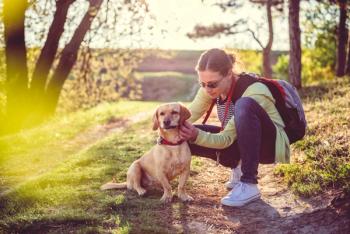
With human emergency visits for tick bites at a multiyear high this spring and adult deer ticks most active in cooler months, fall gives veterinary teams a timely opening to reinforce year-round prevention.
UC Davis teams track HPAI H5N1 in northern elephant seals at Año Nuevo State Park, revealing symptoms, spread, and guidance on preventive measures for visitors.
Seven weaned northern elephant seal pups at the University of California, Davis’s (UC Davis’s) long-monitored Año Nuevo colony in California have tested positive for highly pathogenic avian influenza (HPAI) H5N1, officials reported after confirmatory testing by federal laboratories.1-2
On February 19 and 20, 2026, field researchers from the UC Santa Cruz long-term seal program observed multiple weaned pups with respiratory and neurologic signs (weakness, tremors) and collected samples from sick and dead animals for diagnostic workup. Initial screening at the California Animal Health and Food Safety Laboratory System was followed by confirmatory testing at the US Department of Agriculture’s National Veterinary Services Laboratory, which identified HPAI H5N1 in 7 animals. These are the first confirmed H5N1 infections in northern elephant seals and the first detections of H5N1 in marine mammals in California.1
The colony at Año Nuevo typically hosts thousands of animals during the winter breeding season. Approximately 1350 seals were present when the outbreak began. Because this population is individually monitored, investigators have a rare opportunity to document clinical progression, transmission patterns, and possible population-level impacts in real time. Teams from UC Santa Cruz, the National Oceanic and Atmospheric Administration, the California Department of Fish and Wildlife, The Marine Mammal Center, and the National Science Foundation Center for Pandemic Insights at UC Davis are coordinating surveillance, sample testing, and observational monitoring.1
Park managers have closed viewing areas and cancelled guided seal tours for the remainder of the season to minimize disturbance and human-animal contact. The public health risk to the general public is described as very low, but agencies strongly advise against touching live or dead marine mammals and recommend keeping pets away from stranded or sick animals. Responders and researchers working with affected animals are using personal protective equipment and following established wildlife stranding network protocols.1
Historically, H5N1 has episodically spilled over from wild birds into various mammalian species, and prior marine mammal events have been documented in other US regions. The current North American HPAI lineage has spread broadly since 2021 and has been detected in multiple wild and domestic species. Continued One Health coordination among wildlife biologists, veterinary clinicians, public health officials, and diagnostic laboratories will be critical to characterize the outbreak’s trajectory, evaluate population impacts, and mitigate any zoonotic risk.1
References