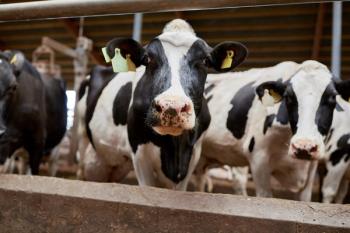
Two herds tested positive after cattle showed signs of illness, marking the state’s first confirmed livestock cases.
S. Emi Knafo, DVM, DACZM, advises veterinary professionals to be vigilant in spotting transmissible viruses such as avian influenza and rabbit hemorrhagic disease, in a dvm360 interview.
S. Emi Knafo, DVM, DACZM, is a zoological medicine specialist and assistant clinical professor of zoological medicine at the University of Tennessee (UT) in Knoxville. In a dvm360 interview, Knafo discussed treating exotic companion animals such as rabbits, reptiles, and birds, as well as zoological medicine. She shared the types of conditions and injuries that can be emergency cases requiring immediate care and, in some instances, referral to an exotics or zoological specialist. She also discussed the care general practitioners can often provide on their own and when they should seek support from specialists. In part of the video series from the interview, Knafo shares advice and knowledge about infectious diseases in exotic animals.
The following is a transcript of the video:
S. Emi Knafo, DVM, DACZM: Don't forget about those zoonotic diseases [such as] avian influenza [and] rabbit hemorrhagic disease. They're out there, and we're seeing them. I [recently] got a call from a regional emergency [department] asking for a consult on a rooster that was having respiratory signs and neurologic signs. And I was like, “I can't actually really give you a treatment plan right now, because I think you need to call the state vet, and now you have that rooster in your emergency [department] with cats around,” and we know that cats have been dying from avian influenza. So keep those differentials in mind. Don't forget about them. They're really important, and they'll sneak up on you when you're not thinking about them.
The classic one for us with rabbit hemorrhagic disease is a female rabbit that's bleeding. Whether that's a reproductive tract emergency or a potential infectious disease exposure, we just don't know till we do more [testing and examination]. So, for any rabbit that's bleeding, we have a protocol that [the patient] goes into the specific exam room with and the people who go in there wearing PPE and kind of deal with it as an isolation case, until we know that it's not high risk for rabbit hemorrhagic disease. And the same thing with all our bird patients. We have them wait outside in their car, and we ask [pet owners] a series of questions: Does this bird have outdoor access? Are there any other outdoor birds on the property? Because sometimes a parrot owner has chickens. Have you had any deaths, etc? We have a whole list in a questionnaire that kind of screens them before they come to the hospital. Because we see a lot of cats. We see domestic cats, and we see big cats from the zoo and from other places, and we need to keep those patients safe as well.
RELATED VIDEO:
RELATED ARTICLE: