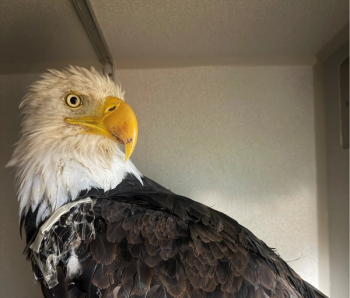
An atypical presentation of the virus led to internal bleeding, anemia, and sepsis in the famous bald eagle whose illness had puzzled her care team for weeks.
Pennsylvania boosts HPAI surveillance and biosecurity as avian influenza hits chicken and turkey flocks; USDA testing ramps up to curb spread.
Highly pathogenic avian influenza (HPAI) continues to impact commercial poultry facilities in Pennsylvania, prompting state and federal officials to expand response and surveillance efforts.
According to the Pennsylvania Department of Agriculture, the state has seen a recent increase in infections among poultry flocks, leading officials to mobilize additional personnel, increase testing capacity, and coordinate response activities with federal partners, including the US Department of Agriculture (USDA).1 The move is intended to protect the state’s poultry industry and help contain further spread of the virus.
Pennsylvania officials report that diagnostic testing and surveillance have intensified as detections have increased in early 2026. The Pennsylvania Animal Diagnostic Laboratory System has conducted thousands of tests in recent weeks, examining tens of thousands of birds as part of ongoing monitoring efforts.1
State and federal agencies are urging poultry producers and animal health professionals to reinforce biosecurity practices, which remain the primary tool to limit transmission between flocks.1 The virus is highly contagious and often fatal in domestic birds, though officials say the risk to the general public remains low.2
Wild birds continue to play a role in maintaining and spreading avian influenza viruses. Wildlife officials in Pennsylvania say migratory activity this season may increase the likelihood of exposure for domestic poultry operations, and they are encouraging the reporting of sick or dead birds.3
The USDA continues to track detections nationally through its animal health surveillance systems while coordinating response measures with state agencies.2 Veterinary professionals working with poultry producers are encouraged to remain vigilant for signs of illness, review biosecurity plans, and report suspected cases to animal health authorities.
References