




Infectious Diseases & Epidemiology
Latest News
Advertisement
Latest Videos


CE Content









Advertisement
More News
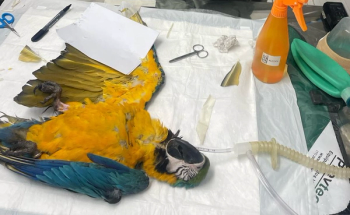
More news from Australia includes the suspected spread of H5 avian influenza to Heard Island.
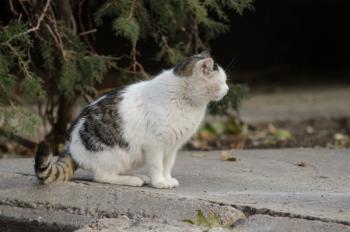
Community programs offering veterinary preventive care for free-roaming cat colonies can help mitigate public health risks, the CDC says.

The authorization is the first of its kind for dogs, as health officials track New World screwworm cases near the US-Mexico border.
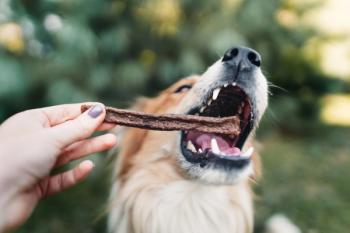
Canada identifies likely source in ongoing Salmonella outbreak
Published: | Updated:
Canada investigates a Salmonella outbreak linked to Puppy Love and Puppy World dog treats, urging safety measures for pet food handling.
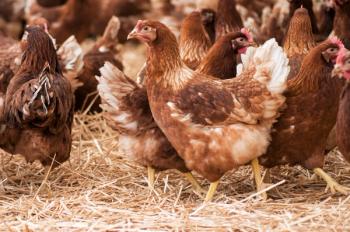
One Wisconsin farm affected by H5N1 houses more than half a million birds, according to the state government agency.
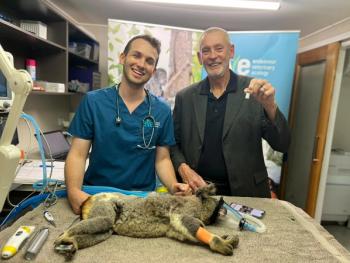
Updates on a new vaccine to help protect koalas from chlamydia, and a virtual learning environment providing on-demand professional development for species-specific and mixed-practice veterinarians.
Most adult screwworms travel less than 10 miles to find a host. The greater risk comes from the movement of cattle, deer, and other hosts, explained Christopher Lee, DVM, MPH, DACVPM, in this Vet Watch update.

Researchers at the University of Maryland found that antiviral treatment and catching the illness early can improve survival rates of cats positive for H5N1.
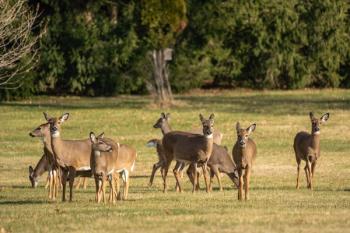
Chronic wasting disease is a contagious, fatal, and progressive neurological disease that affects cervids like deer and elk.

Meghan Herron, DVM, DACVB, FFCV, discusses the most concerning infectious disease and parasites for which protective treatments are available, in a dvm360 interview.

Wild rabbits in northern Colorado have been seen with horn-like lesions due to a viral infection.

Health officials say the number of human Salmonella cases is likely much higher than reported.

The ‘worst bee die-off in US history’ was caused by a virus-infected, miticide-resistant parasitic mites.
Since the outbreak started in March 2024, dairy cattle in 17 states have been infected with highly pathogenic avian influenza H5N1.
New research uncovers additional mosquito species as potential vectors for Japanese encephalitis virus, highlighting risks to swine and public health.

Jamie Kopper, DVM, PhD, DACVIM (LAIM), DACVECC (LA), discussed common causes of colitis in adult horses in a CE session at Fetch Kansas City.
New research projects funded to combat avian influenza in swine focus on vaccine development, transmission risks, and biosecurity measures.

Deborah Thomson, DVM, talks about steps to take in the event of a suspected avian influenza case and highlights 3 risk factors for infection in feline patients.
“It's our responsibility to educate about the risks of bird flu transmission, as well as the preventative measures and the symptoms that people need to look out for,” said Deborah Thomson, DVM.

Understanding and managing valley fever in veterinary patients.
In this Vet Watch Update, our host Dr Christopher Lee shares more on what exactly normalcy bias means, and what it means for potential New World screwworm patients.
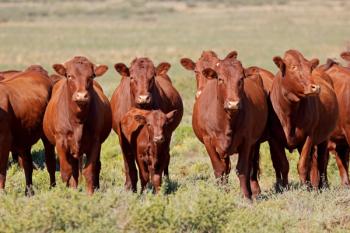
Regulatory approval from animal health authorities is still required before the vaccine can be made commercially available.

Have a suspected myiasis case? Christopher Lee, DVM, MPH, DACVPM, explains what to do, in this Vet Watch update.
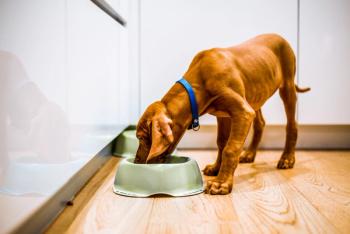
Three different bacteria were found in different dog food products. One is associated with kidney failure and neurologic issues in humans.

The vaccine will offer protection against H5N1 and is projected to be effective against future viral mutations.
Advertisement
Advertisement
Trending on dvm360
1
5 wound management tips every veterinary team should know
2
FDA’s latest warning about a raw pet food maker follows years of contamination findings and a federal lawsuit
3
Evaluating suspected CHF in dogs and cats: Why the full clinical picture matters
4
Study: Crushing, but not splitting, changes how extended-release levetiracetam behaves in dogs
5