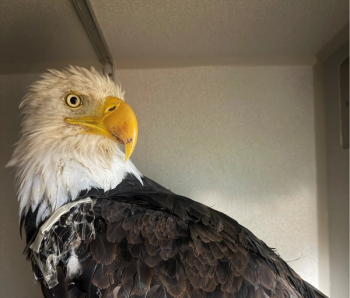
An atypical presentation of the virus led to internal bleeding, anemia, and sepsis in the famous bald eagle whose illness had puzzled her care team for weeks.
A retrospective review of nearly 79,000 dogs across more than 1000 primary care hospitals found that parvovirus diagnoses dropped by more than 85% between 2010 and 2022, but of the dogs with known outcomes, nearly 44% still died or were euthanized within 14 days of diagnosis.
Canine parvovirus (CPV) diagnoses declined substantially in dogs presenting to a national network of primary care veterinary hospitals between 2010 and 2023, according to a retrospective study published online in the Journal of the American Veterinary Medical Association.1 Even so, the disease continued to kill or lead to euthanasia in a large share of affected dogs throughout the study period. Puppies between 8 and 16 weeks of age remained the most commonly affected group.1
The study, led by JoAnn Morrison, DVM, MS, DACVIM (SAIM), drew on electronic medical records from the Banfield Pet Hospital network, which includes more than 1000 hospitals across 43 states, the District of Columbia, and Puerto Rico.1 Researchers searched records from January 1, 2010, through June 30, 2023, identifying 78,977 dogs with a first diagnosis of CPV, based on clinical signs, a positive in-house fecal antigen test, or both.
Annual CPV incidence fell from 45.2 cases per 10,000 dogs in 2010 to 6.5 cases per 10,000 dogs in 2022, the last full year of the study.1 Diagnoses were most common from April through June and lowest in the winter months. Nearly 46% of all cases occurred in puppies 8 to 16 weeks old, and the median age at diagnosis declined over the study period, from 17 weeks in 2010 to 14 weeks in 2022.1
More than 80% of diagnoses were in sexually intact dogs, and males were affected more often than females (56.5% vs 43.5%).1 The 5 most commonly diagnosed breeds—pit bull–type dogs, Chihuahuas, Labrador retrievers, German shepherds, and mixed-breed dogs—together accounted for 54.3% of cases. Vaccination history was undocumented for more than 90% of diagnosed dogs, making it difficult to assess the relationship between vaccination status and CPV diagnosis.1
Fourteen-day outcome data were available for 37,707 dogs, of which 43.6% died or were euthanized within that window. Annual mortality also declined over time, from more than 45% in 2010 through 2012 to less than 40% in 2018 through 2023.1
Using multivariable logistic regression, the authors identified several factors linked to a dog's odds of survival. Dogs that were neutered or spayed, weighed more, or had multiple types of intestinal parasites detected on fecal testing were significantly less likely to die within 14 days of diagnosis. By contrast, dogs with low blood protein levels, low body weight, reduced lymphocyte or white blood cell counts, or elevated liver enzymes at the time of diagnosis faced significantly higher odds of death.1
The authors noted that their data set—according to the paper, the largest CPV-focused database reported to date—showed a clear downward trend in both incidence and mortality over the 13-year study period. At the same time, they wrote that CPV diagnosis in more than 2000 dogs in 2022 alone shows the virus “continues to present a substantial risk to dogs throughout the US.”1
The authors pointed out several limitations, including incomplete vaccination records, reliance on follow-up hospital visits to determine survival, and the fact that Banfield hospitals are not randomly distributed geographically, which may limit the generalizability of the findings.1 They concluded that dogs of all ages remain at risk of CPV disease, with puppies particularly vulnerable.
Reference