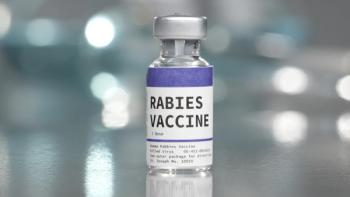
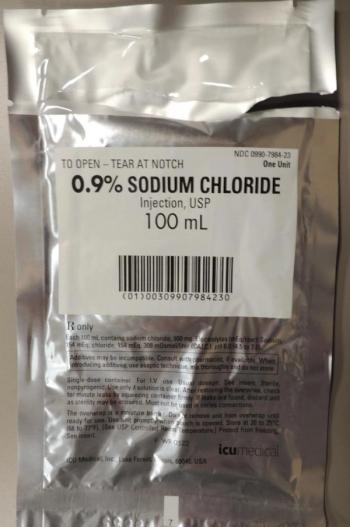
According to American Regent, injecting a product containing particulate matter such as glass fibers could cause injection-site pain, local irritation, swelling, inflammation, infection, or abscess formation. The company had not received reports of adverse events associated with the recalled lots as of its July 31 announcement.
Veterinary practices and other consignees should immediately stop using the affected products and either return or discard remaining inventory. Pet owners should contact their veterinarian if an animal experiences problems that may be associated with a recalled product.
During an AVMA Convention lecture, Kaitlyn Krebs, DVM, MBA, and Kirsten White, DVM, professors at Rowan University Shreiber School of Veterinary Medicine, discussed recent canine and feline vaccination recommendations that may not yet be widely incorporated into clinical practice.
For cats, the recommendations include an additional FVRCP booster at approximately 6 months of age. Feline leukemia virus vaccination is also considered a core vaccine for kittens younger than 1 year. For dogs, leptospirosis is recommended as a core vaccine regardless of lifestyle.
Krebs noted that some kittens may still have maternal antibodies at 16 to 20 weeks of age, potentially leaving them insufficiently protected after the traditional kitten vaccination series.
Suffolk County, New York, has confirmed a fourth human case of tularemia, also known as rabbit fever. The zoonotic bacterial disease affects more than 250 animal species and is most commonly associated with wild rabbits, hares, and rodents.
Cats can become infected after hunting or consuming infected prey, while infection in dogs is uncommon. Clinical signs in companion animals can include fever, lethargy, enlarged lymph nodes, decreased appetite, vomiting, diarrhea, coughing, nasal discharge, oral ulcers, and pneumonia.
Veterinarians evaluating a suspected case should consider PCR, bacterial culture, or serologic testing. Because tularemia is zoonotic, appropriate precautions should be used when handling suspected cases, and laboratories should be notified when the disease is on the differential.