













The organization has selected 5 studies to fund based on their ability to save equine lives.
The organization has selected 5 studies to fund based on their ability to save equine lives.
The role of the gastrointestinal tract in optimal function of an animal’s body is complex. Maximizing the function of the GI tract can help improve the overall health of patients.
We have compiled a list of the top 10 articles in 2021, here is number 14.

We have compiled a list of the top 10 articles in 2021, here is number 17.
Deborah E. Linder, DVM, MS, DACVN, discusses the latest research and guidance surrounding popular pet food diets during a Fetch dvm360® talk.
Rapid stabilization, surgical intervention, and intensive postoperative care are key to successful GDV management.

A sneak peek of this week's headlines.

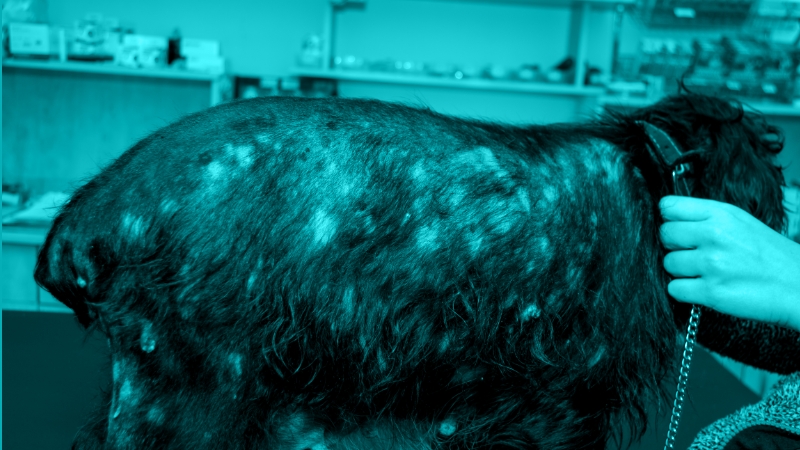
To commemorate National Dog Week, we have spotlighted 3 insightful articles offering tips on diagnosing and managing canine IBD.

The effectiveness of probiotics in canine and feline gastroenterology, plus further research needed on the topic.
Check out these 3 articles for insight on diagnosing and managing chronic GI diseases.
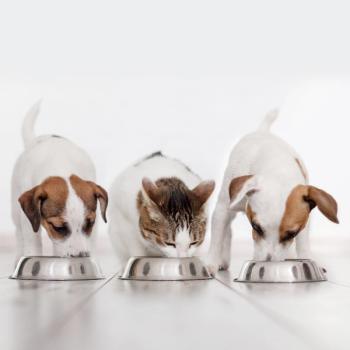
Because a gastrointestinal biopsy is not always feasible, obtaining a presumptive diagnosis after ruling out all other possibilities will guide your treatment recommendations. Sponsored by VetriScience.
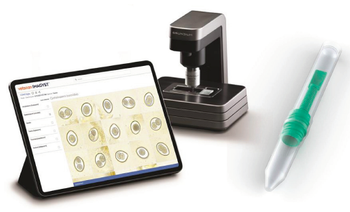
Introducing leading-edge fecal flotation technology that can elevate your practice’s diagnostic capabilities, bringing expert clinical results to general practitioners. Sponsored by Zoetis.
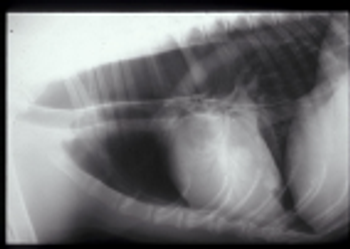
Esophageal diseases are an important cause of dysmotility and regurgitation in dogs and cats. Here’s what you should know about these disorders.
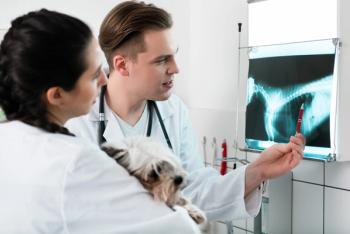
Radiography is an integral diagnostic tool in companion animal practice. Here are brief guidelines for obtaining the most useful images of the abdomen in dogs and cats.
Antech’s novel blood test allows veterinarians to rule in or rule out IBD early and with confidence in dogs suffering from associated clinical signs.

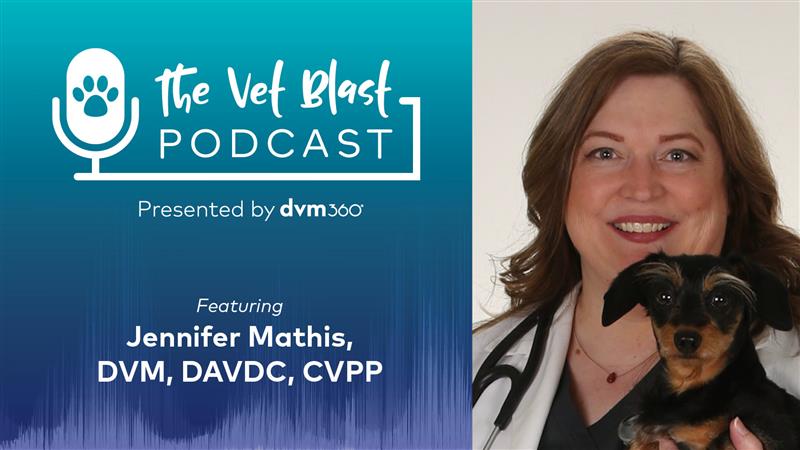
In Episode 5 of The Vet Blast Podcast, Dr. Jacqueline Whittemore discusses the talks she is preparing for the virtual Fetch dvm360 conference later this month.
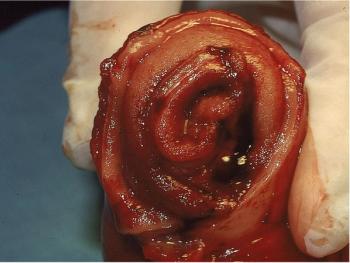
Gastrointestinal motility disorders are a diagnostic and therapeutic challenge for many practitioners. Here’s how to narrow down the affected area so you can identify the cause and provide appropriate treatment.
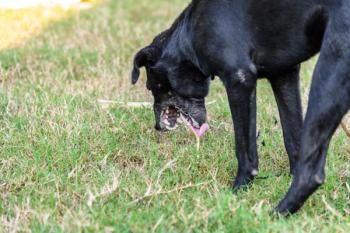
Clevor adds another, simpler weapon in the veterinarian’s arsenal for inducing emesis following toxin or foreign body ingestion in canine patients.

Identifying IBD is often a challenge, but the recent discovery of serum-based markers for canine IBD may make diagnosing this disease in dogs quicker, cheaper and less invasive.
Causes of feline diarrhea range from simple infection to cancer. By characterizing the diarrhea and running simple tests, the practitioner can identify the pathology and stop the mess.
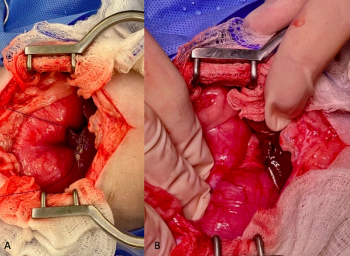
A guide for general practitioners in performing hepatic guillotine and punch biopsy techniques.

Subtle, nonspecific clinical signs coupled with no identifiable trigger make pancreatic disease an elusive diagnosis.

The noninvasive and cost-effective tool will help veterinarians identify the cause of canine chronic enteropathy and monitor a dog’s response to treatment over time.

The CDC advises puppy owners to take precautions, including taking new pets to a veterinarian.

If you are new to performing GI surgery, you might want to work your way up. Dr. Bronwyn Fullagar explains why and also offers a few additional tips to help improve outcomes.