







Middle-aged obesity (body condition score 7-9 on a scale of 1 to 9) accompanied by insidious-onset laminitis is a syndrome that has been recognized by equine practitioners for decades.
Middle-aged obesity (body condition score 7-9 on a scale of 1 to 9) accompanied by insidious-onset laminitis is a syndrome that has been recognized by equine practitioners for decades.
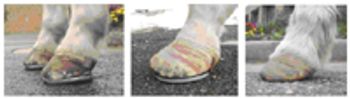
Management of pituitary pars intermedia dysfunction (PPID) in equids consists of improved husbandry, including adequate nutrition and limiting competition for feed, body-clipping, dentistry, and appropriate treatment of concurrent medical problems.

Management of Equine Metabolic Syndrome, the most accepted term for a syndrome of middle-aged obesity accompanied insulin resistance and insidious-onset laminitis, can be challenging as it primarily involves client education and acceptance to comply with dietary recommendations to effect substantial weight loss.
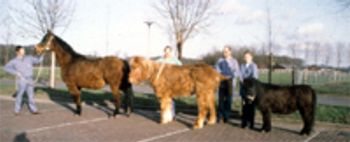
Although the frequency of diagnosis and treatment of pituitary pars intermedia dysfunction (PPID) in horses has clearly increased over the past decade, there is no evidence that the prevalence of PPID is actually increasing.
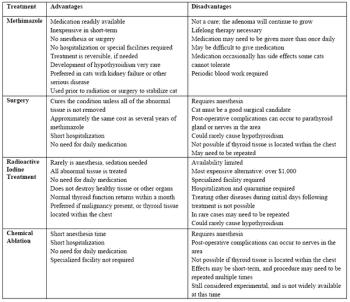
Hyperthyroidism is a clinical condition resulting from the excessive production and secretion of thyroxine (T4) and triiodothyronine (T3) by the thyroid gland which was first reported around 1979.
Hypothyroidism is the most commonly diagnosed endocrinopathy in dogs, and is usually the result of lymphocytic thyroiditis or idiopathic atrophy.
"Cushing's syndrome," or hyperadrenocorticism (HAC), refers to the clinical signs associated with the presence of excess glucocorticoids in the body, either from exogenous administration or endogenous production.
Hypoadrenocorticism ("Addison's disease") is an uncommon disease in dogs. However, because of the potential for acute death in dogs with severe acid/base and electrolyte abnormalities, and the excellent prognosis with treatment, prompt diagnosis is crucial.
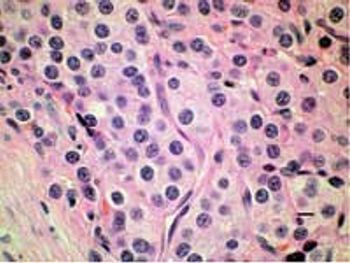
An 8-year-old 50.6-lb (23-kg) neutered male Airedale terrier was presented to Forest Hill Animal Clinic for a wellness examination and laboratory tests.
Q: We have an approximately 15-yr-old MN DSH clinic cat who has diabetes. I "rescued" him from his owners who were no longer giving him insulin or keeping him on Purina DM.
Gainesville, Fla. - Veterinarians and physicians from the University of Florida's Glycogen Storage Disease Program believe they have successfully used gene therapy to treat a dog born with glycogen-storage disease.
Dietary therapy is the key to proper management of the diabetic cat and dog.
Endocrine diseases in ferrets have been attributed to genetics, early-age neutering, diet, and photoperiod.
Hyperthyroidism is caused by excessive production of thyroxine (T4) and triiodothyroxine (T3).
Type I diabetes is characterized by lack of insulin production by the pancreatic beta cells of the islets of Langerhans.
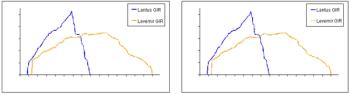
Few diseases are as frustrating for a veterinarian as diabetes mellitus. Realistically, control of hyperglycemia is rarely accomplished, and clinical signs of diabetes often persist.
Today's feline practitioners are well-versed in the pathophysiology, diagnosis, and treatment of hyperthyroidism.
Cats are true carnivores and as such have a metabolism specifically adapted to high protein meals.
A 14 year old, male intact, DSH cat is presented for acute onset of blindness. There are no other striking historical findings.
The past decade has seen a revolution in our understanding of adipose tissue.
When hyperthyroidism was first reported in cats as a disease entity approximately 25 years ago, the majority of cases were advanced.
Clinical signs of hypercalcemia can be difficult to detect.
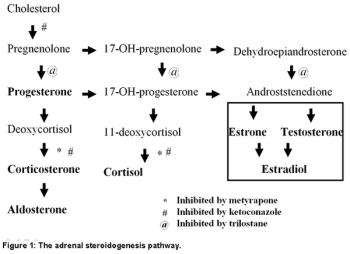
None of the tests for hyperadrenocorticism (HAC) in dogs are perfect.
Authors almost always refer to hypothyroidism as a common (if not the most common) endocrine disease in dogs.
Only in the past decade has pancreatitis even been well-recognized in cats.