



















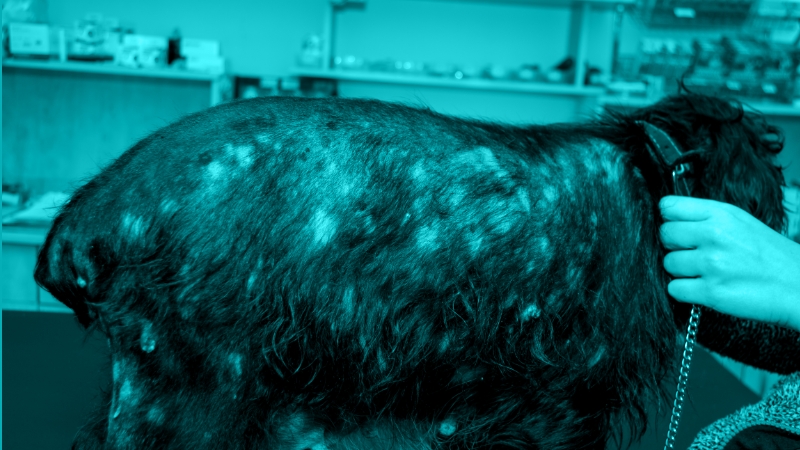


Bad words matter. And you could be turning off veterinary clients with these weak words and phrases. Use these sample scripts for a fresh approach to dental care.
Bad words matter. And you could be turning off veterinary clients with these weak words and phrases. Use these sample scripts for a fresh approach to dental care.

When it comes to regional nerve blocks in veterinary dentistry, are two bupsbupivacaine and buprenorphinebetter than one?

In which we explore strange new zoonoses, seek out better diagnostics and new treatments, and engineer cats for world peace. (Really.)
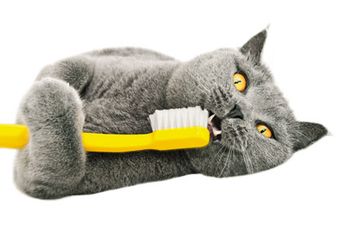
Veterinary practices are turning to dentistry as a way to replace lost spay and neuter revenue and encourage regular visits. Heres how to get started.

A CVC attendee gave us a trio of veterinary dental client-compliance tips for you to chew on.
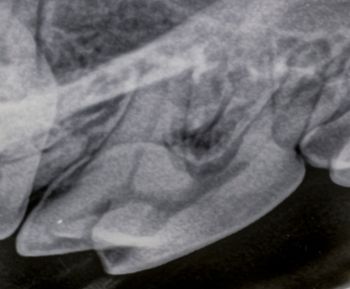
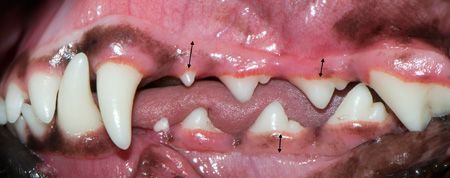
A buildup of calculus and plaque in this area can make a tooth prone to attachment loss, causing serious, painful disease if not caught early.
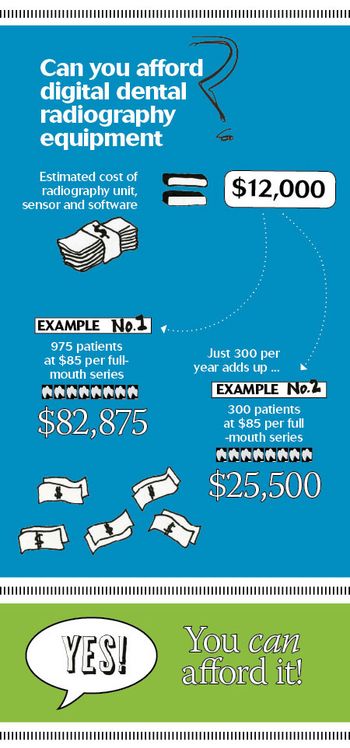
One 2016 dvm360/VHMA Practice Manager of the Year contestant explains the thought process behind purchasing a digital dental radiography systemand we show you the profit opportunities if you're still on the fence.
Mark Opperman has two ways you can get your clients to agree to this needed yet expensive veterinary health service.
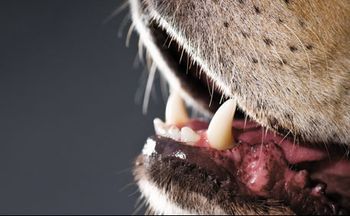
From fractured retained roots to suture dehiscence, try out these preventive tips from Dr. Matthew Lemmons to make your dental procedures go smoother.
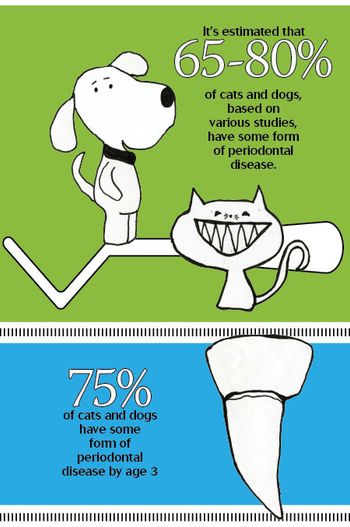
Ignoring the oral health needs of your veterinary patients is not only a missed opportunity to better serve clients and their pets, but a lost opportunity to profit the practice. And here's how you can prove it.
Patients need it. Clients love it. What more do you need to know?
So many selections to choose from. Here's just a sample of how you can make your dental services sing.

You're about to anesthetize a 12-year-old Yorkie with blood pressure issues. 'Nuff said.
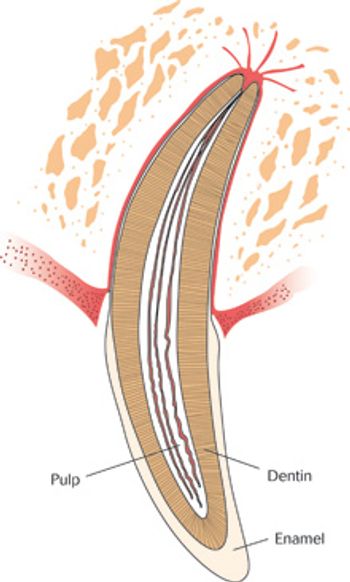
Make sure your knowledge of what can go wrong with this natural tooth covering-the hardest substance in the body-isn't too superficial.
Dr. Dave Nicol calls it like he sees it.
How to avoid iatrogenic fracture when removing these tricky teeth.
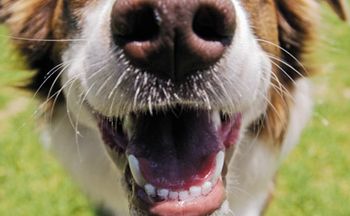
The old string around the tooth trick won't work with your veterinary patients. But here are some tips to help you slam the door on your fears of tooth extraction.
And ... we wouldn't leave you hanging just with the problems! Here's advice to tackle this trio of Dr. Karen Felsted-identified roadblocks at your veterinary practice in this new video from CVC.
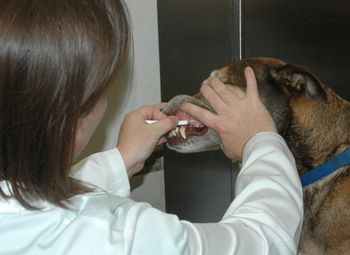
The fun continues on our alphabetic journey through the management of our veterinary patients' oral problems.

No more excuses: Our experts examine your top three exam-room battles and offer tips to get you better resultsreally.

A list of the worst veterinary career advice Ive ever received (and promptly discarded)
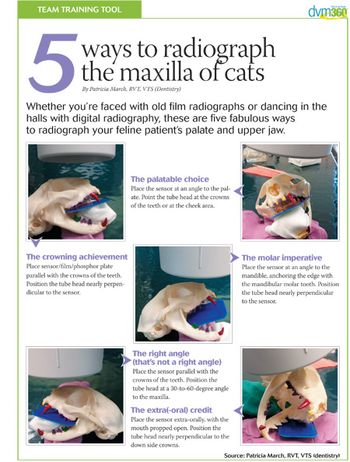
Download this quick guide to getting just the right angle with your veterinary radiography equipment.
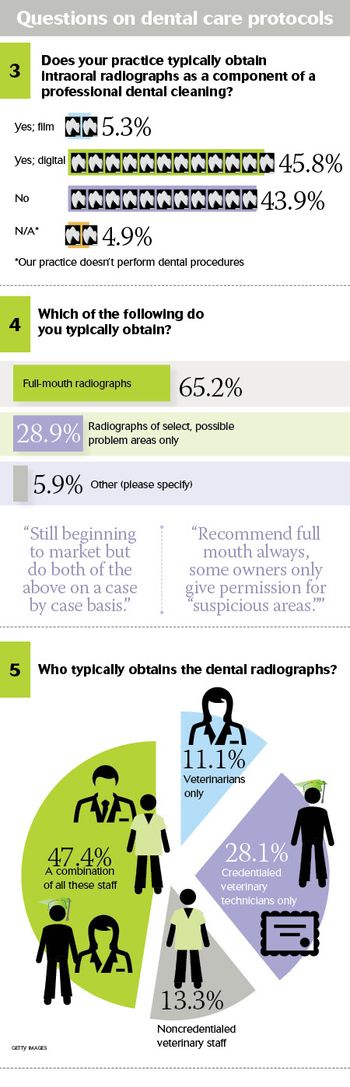
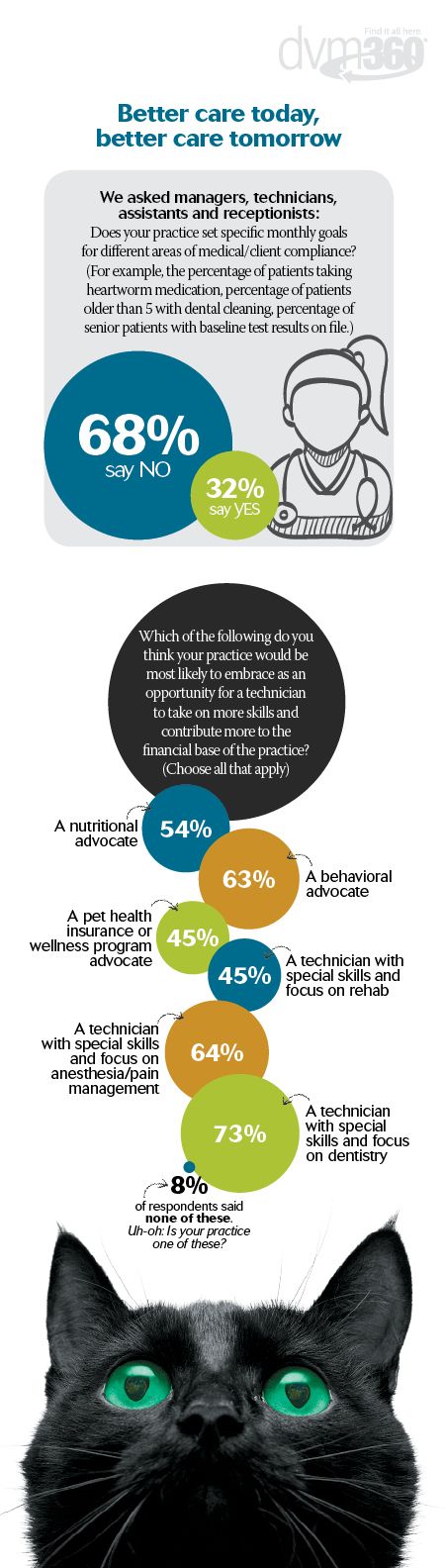
We asked veterinarians about pet owners' attitudes and their approach to three specific pet health topics: dental care, cranial cruciate ligament repair, and behavior. Here's what they said.
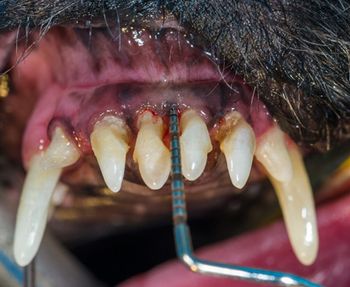
What to recommend when your client does not agree with your periodontal diagnostic and treatment plan.

Are you using topical dental fluoride treatment to benefit your veterinary patients' teeth?