























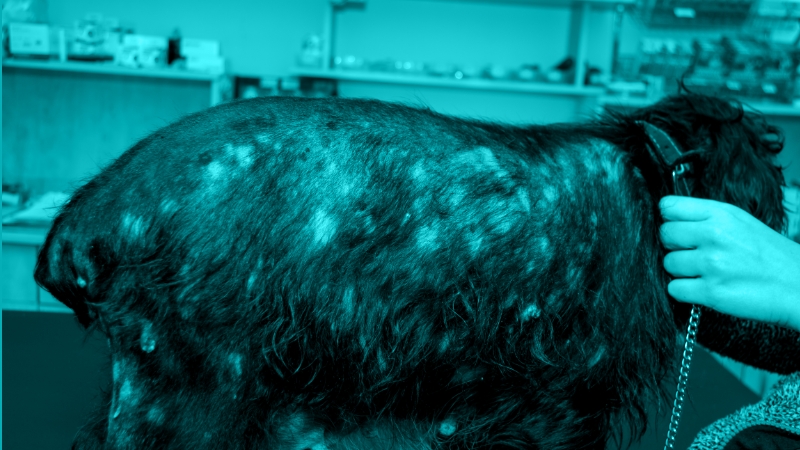





Dog shows, dog parks and other dog get-togethers are a prime place for pathogens to have a heyday. One group of veterinary researchers has created resources to help you and your clients keep these events safe.
Dog shows, dog parks and other dog get-togethers are a prime place for pathogens to have a heyday. One group of veterinary researchers has created resources to help you and your clients keep these events safe.

Human use of contaminated equipment or product is the main risk of transmission.

Consider these scripts when fielding questions from veterinary clients about the cost of flea, tick and heartworm preventives.
OK... maybe not 100%. But these five strategies can help increase client compliance with parasite prevention products.
Our visits are action-packed, and our clients are time-strapped. But at our veterinary hospital, DVMs and technicians make sure we don't miss some crucial questions about home life and history for our patients.
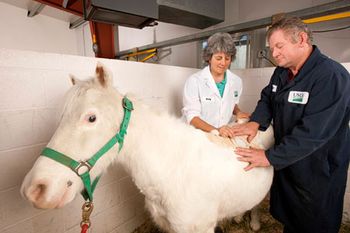
What it is, how its transmittedand why this tick-borne disease might be going away.
State veterinarians office investigating the incident.
Here's how to open the door to more adherence from veterinary clients and make your program a better fit.
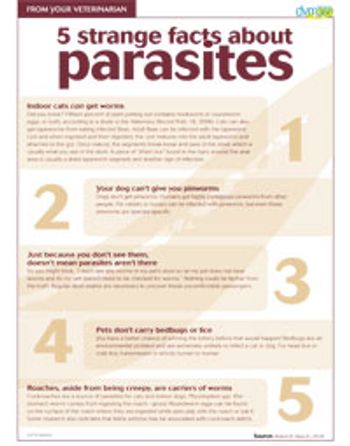
Just because veterinary clients don't see them doesn't mean they're not there. Use this tool to help promote parasite prevention.
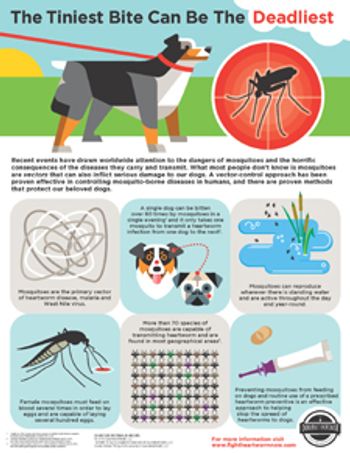
Study examines effects of topical repellent-insecticide plus oral heartworm preventive on development of heartworm disease.
Richard E. Goldstein, will serve on the Scientific Advisory Board as its only veterinarian.
Both fluralaner and afoxolaner completely eliminated flea infestations on dogs in a field trial in Florida during the summer of 2015.

"I've got all day!" said no veterinary professional, ever. So we bring you this collection of time-saving techniques, tips, tools and other treats for better client communication, better patient care and a better bottom line.

Put parasite woes to rest with these client education and communication tips, as well as a few ideas to make those fecal exams stink less. Literally.

Emergency veterinary team in Portland, Oregon, diagnoses tick paralysis just before dog is put down.
The need for parasite prevention might be clear as day for you, but some veterinary clients may still be left in the dark. Shed some light on the subject and get your patients the protection they need.
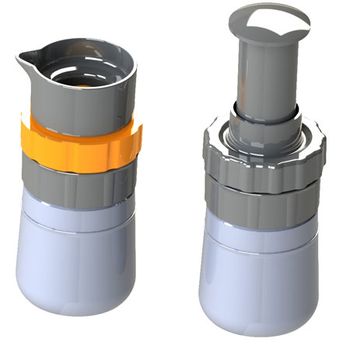
New technology allows in the field quantification of parasite burden so you can get on with treatment.

Learn more about the group of veterinary practitioners and parasite researchers who recently gathered to discuss the problem of heartworm disease in dogs and a new multimodal solution.

Veterinarians diligently recommend and prescribe heartworm preventives to control heartworm disease. Yet, heartworm infection is an ever-increasing problem. Because mosquitoes are the only known vector of Dirofilaria immitis, controlling mosquitoes through the use of an insecticide like Vectra 3D should help control heartworm transmission much in the same way that targeting vectors has been used successfully to control vector-transmitted diseases in people.

Advertisement Dog owners look for ways to make life easier with their dog – but sometimes it's the dog that makes the owner's life easier. This summer, the NexGard® (afoxolaner) team, has joined forces with Canine Companions for Independence® to create five video “dog-umentaries” as part of the Hero Tails Program to recognize the countless assistance dogs that make their owners' lives easier every day.

No more excuses: Our experts examine your top three exam-room battles and offer tips to get you better resultsreally.
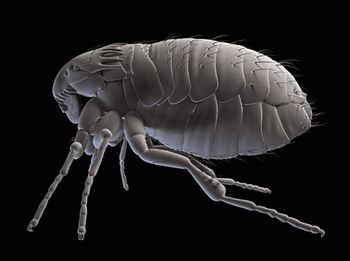
A second helping of parasitic factoids to ponder when you've got the itch.
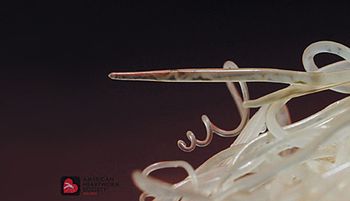
AHS announces the hottest topics on tap for the 15th Triennial Heartworm Symposium scheduled for September in New Orleans.
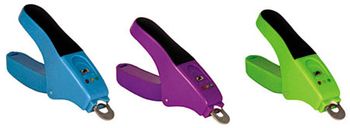
Veterinary medicine is tough, but grooming aint easy either. Make your favorite veterinary team members life a little easier with one (or all) of these new items.
32 people are receiving post-exposure treatment as a precaution.