





































Initial exposure to a tick-borne disease may have contributed to this puppy's susceptibility to this fungal disease, which can be deadly if disseminated. Would you be able to catch the signs of infection?

Initial exposure to a tick-borne disease may have contributed to this puppy's susceptibility to this fungal disease, which can be deadly if disseminated. Would you be able to catch the signs of infection?
Pet owners want quick, concise information on parasites
Product and service decisions are being made independently at home
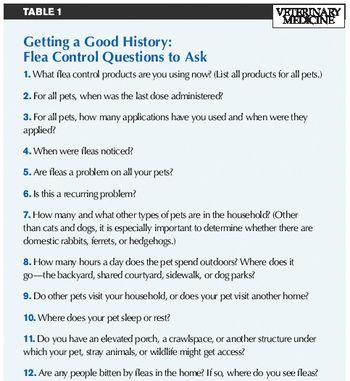
A dog in Tampa, Fla., had a severe flea infestation. An area flea-counting system was used to evaluate pet flea counts.
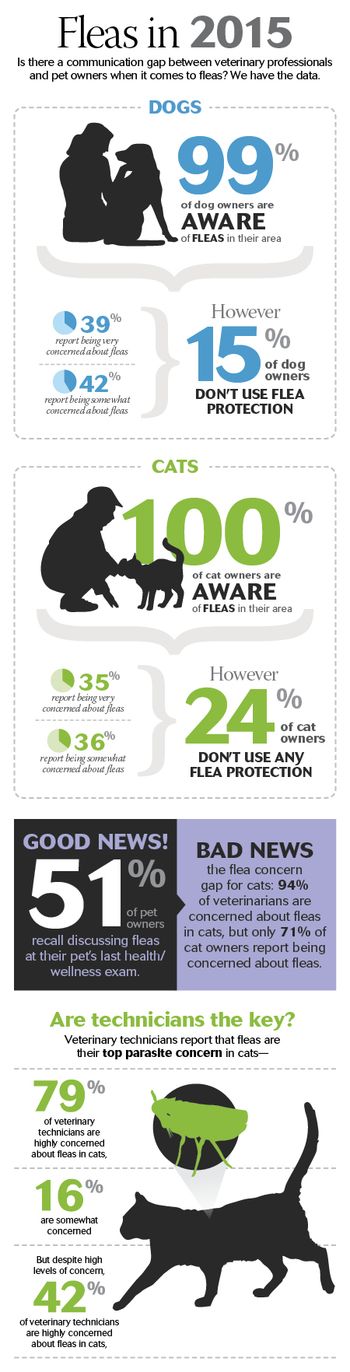
Fleas are frustrating, for all involved. But we wonder, is there a communication gap between practitioners and clients that could be making the fight against fleas even worse?


The layperson might find your parasitology textbook as revolting as a horror film. And you could work this to the advantage of their pets.

Lyme disease, ehrlichiosis and other tick-borne diseases continue to spread; year-round parasite control urged for pets.
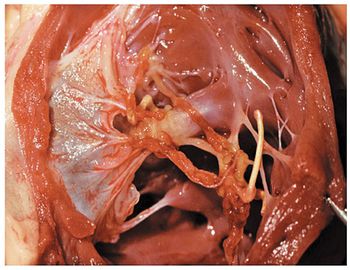
Even if heartworm infection is treated, we all know it does serious, permanent damage to the body. This in-depth look at that damage will renew your commitment to consistent prevention recommendations for your veterinary patients.
Practice, community, pets benefit from local parasite updates.
Your clients want to know up-to-date parasite risks.
Tick borne diseases are extremely important and emerging diseases in the United States.
Meningeal worm or brain worm infection in camelids, elk, moose, and sheep and goats is caused by the roundworm parasite, Parelaphostrongylus tenuis.
Bacillus anthracis.
Avian parasites consist of multiple species including helminthes, protozoa and arthropods.
Coccidia are obligate intracellular parasites and have asexual and sexual stages in their life cycle.
Domestic and wild felids are the definitive host for the protozoan Toxoplasma gondii.
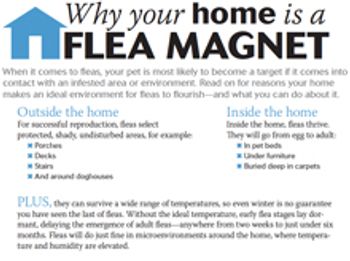
Parasitology expert Michael Dryden, DVM, MS, PhD, reveals prime hideouts for fleas-and gives tips to clear them out of clients' homes for good.
Spring has arrived and pet owners will be enjoying outdoor activities with their dogs. dvm360 has resources to educate your clients and make sure your veterinary team equipped to help stop the spread of tick borne diseases.
Oral product may prove easier for pet owners.
Pet owners are eager to learn about parasite risks; give them what they want with this tool.
Pertinent information puts pet owners in your practice.

Bust common myths and protect patients.