


























The lowdown on parasite myths

The lowdown on parasite myths

Veterinary Medicine editor Mindy Valcarcel details the latest parasitology resources available through dvm360's exclusive partnership with the Companion Animal Parasite Council.

Changes in parasite biology have inspired the AAEP to reevaluate its control protocols. The following summarizes its new guidelines and details practical recommendations veterinarians can implement.

No ticks on cats? Uh huh ... Now, here are the facts.

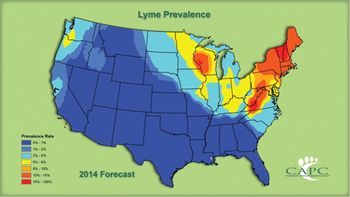
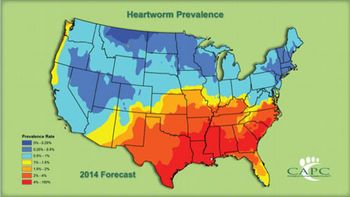
The CAPC Forecast Maps -- a client education tool for your clinic.

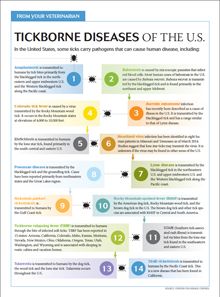
The CAPC Parasite Forecast Maps track millions of data points and factors such as temperature, elevations, precipitation, and population density to predict the risk of vector-borne diseases. This update on anaplasmosis give you the key findings.

Annual parasite forecast maps can help you plan your strategy for addressing vector borne disease.

The Lone Star tick is expanding its range and the risk for vector-borne diseases.

Annual veterinary report on the state of pet health calls increases in FIV and Lyme disease 'staggering.'

Veterinary parasitologists, practitioners discuss the latest on diagnostics, differentials and incidence rates.

Year-round prevention continues to be strong recommendation.

Use this client handout to teach pet owners about the risks of parasites for indoor-only cats.

When I offer our practice's recommendations for parasite prevention, owners often ignore our advice, saying, "My cat doesn't go outside." What can I say to educate these pet owners and protect the health of these cats?

Parasite seems dependent on this bacteria for survival, reproduction.

Stop the clock for vital flea and tick discussions with clients. Consider these six client personalities and take time to offer the best responses to pet owners' parasite concerns.

Embed this video on your veterinary practice website to attract visitors-and keep pets healthy when it comes to fleas and ticks.

Use this handout to talk to veterinary clients about simple landscaping techniques they can use to make their backyards safer for pets.

Company hopes NexGard will help veterinarians see boost in compliance.

Resistance acknowledged; new veterinary testing methods recommended.

Use these tips to teach your veterinary team to talk about the latest heartworm news with pet owners.

AHS experts discuss what veterinarians and their clients need to know about the emergence of 'evil heartworms.'

During a recent roundtable discussion, leading experts in the fields of veterinary parasitology, dermatology, behavior, and client communication gathered to discuss parasite control opportunities in clinical practice.

You know to be on the look out for common nematodes such as Toxascaris and Toxocara species, but keep the following in mind as well.

Get fecal samples from veterinary clients with these three tips.

Revisit the Veterinarian's Oath and reenergize your efforts to practice preventive care for your patients.