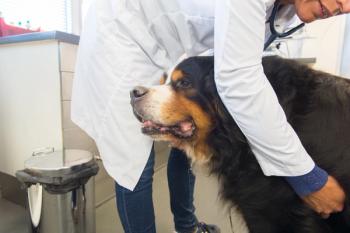
Veterinary professionals may face physical strain from routine tasks such as floor exams, dental procedures, patient restraint, and lifting. Here are 6 common sources of ergonomic risk and strategies to help reduce the strain.
The same survey found that owners with the strongest bonds to their pets were more likely to visit the veterinarian regularly and keep up with vaccinations.
Ninety-eight percent of US pet owners say they have experienced at least one health benefit from owning a pet, according to the 2026 Human-Animal Bond Benchmark Survey of Americans from the Human Animal Bond Research Institute (HABRI).1 Awareness of those benefits extends well beyond pet-owning households. Nearly all Americans surveyed (97%) said they knew of at least one research-backed health benefit of pet ownership.1,2
The 20-minute online survey was conducted June 25 to July 7, 2026, among 3000 US adults aged 18 years or older, including both pet owners and non-owners.2
Pet ownership is widespread. Nearly three-quarters of Americans (74%) own at least one pet, with another 15% intending to get one.1 Many owners also have more than one animal at home, with 64% reporting multi-pet households.1
“Nine in ten Americans either have a pet or want one, driven by the understanding that the bonds we share with our pets are good for our health,” Steven Feldman, president of HABRI, said in a news release announcing the results.1
For veterinary teams, some of the survey’s most relevant findings involve what happens after a pet comes home. HABRI found that the strength of an owner’s bond with their pet tracked with how consistently the owner sought care.1,2 Pet owners with the strongest bonds were more likely to visit the veterinarian regularly for routine checkups and preventive care. Those owners were also more likely to keep their pets up to date on vaccinations.1,2
Pet owners also said awareness of the science shapes their habits. Among current pet owners, 94% agreed that knowing about research on the health benefits of pets makes them more likely to spend more time with their pet.1,2 Ninety-three percent said the same knowledge makes them more likely to maintain their pet’s health, including keeping up with vaccines and preventive medicine.2 That effect extends to pet health insurance. Two-thirds of current pet owners (67%) said knowledge of the research makes them more likely to buy coverage, up from 58% in 2021.2
The topic could also influence where people seek care. Sixty-two percent of pet owners said they would be more likely to visit a veterinarian or clinic that discussed the health benefits of the human-animal bond with them, as did 56% of all Americans.2
The average American now recognizes 18 of the 24 health benefits of pet ownership tested in the survey. In HABRI’s 2021 survey, which included only pet owners, the average was 12 of 17.2 Mental health benefits topped the list: easing loneliness (92%), reducing depression (89%), reducing stress (88%), and helping people cope with difficult life situations (87%).1,2 The subject also comes up in conversation, with 62% of Americans saying they have discussed the health benefits of pets with someone else.1,2
The survey also looked at the 15% of Americans who plan to get a pet. HABRI found that this group is largely motivated by what the bond will add to their lives, led by companionship (87%), emotional support (74%), and less loneliness (71%).1 Dogs were the most common choice among prospective owners (79%), followed by cats (38%).1
Many prospective owners also described obstacles. HABRI identified housing as a significant one. Almost one-third of prospective owners (29%) said they were worried about finding pet-friendly housing.1 Among prospective owners who rent, 27% cited housing restrictions as a reason they do not have a pet.1 The challenge does not end once a pet arrives. Among current pet owners who rent, 31% reported housing-related challenges.1
Cost was another concern, cited by 37% of prospective owners.1 Many are also weighing the commitment itself. Half (52%) said they worry about the emotional toll of leaving a pet for an extended period, while 33% are concerned about balancing pet care with work and other responsibilities.1 Thirty-six percent said they are waiting until the time is right, which HABRI characterized as a thoughtful approach to getting a pet.1 HABRI reported that preparation, such as researching the type of pet and its lifetime cost, is strongly connected to an easier transition once a pet arrives. After that, regular contact with a veterinarian is closely associated with pet owner success.1
Public support for pet-inclusive policies is broad. Among all Americans, 83% said public spaces should be pet friendly. Eighty percent said rental housing should have fewer restrictions on pets.1 Fostering may offer another path, with half of Americans saying they are interested in fostering a pet. Among prospective owners, 37% would consider fostering to see whether a specific pet is a good fit.1,2
“The survey points to clear ways we can better support that bond, including making society more pet-inclusive and helping new and existing pet owners to prepare for and enjoy an enriching life with pets,” Feldman said.1
References