

Check out this week's top veterinary headlines.
Check out this week's top veterinary headlines.

Following its worldwide survey of mental health and wellbeing in the veterinary profession, WSAVA vows to take steps to advance the health and welfare of veterinary teams around the world.

Mackenzie Peterson will play an instrumental role in promoting mental health at the Association of American Veterinary Medical Colleges’ member institutions.

Euthanasia should be a gentle death, but when it’s not—for whatever reason—it is incumbent on veterinary teams to address the situation with their clients and themselves.

Here are 10 ways to show your veterinary team how grateful you are for their hard work and dedication during the COVID-19 crisis.

Readers respond to a recent commentary about taking action on veterinary student debt.
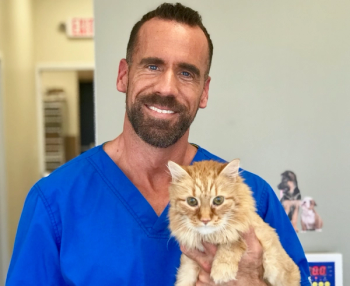

Providing optimal care while respecting your veterinary clients’ financial limitations can be challenging, but can be done.

With COVID-19 interrupting life as we know it, how can veterinary teams remain calm while continuing to offer patient care? Certified leadership and wellness coach Kristina Guldbrand offers some tips.

Generational differences in thinking and communication styles are real, and catering to the styles of today’s younger pet owners will put your practice on the path to building lasting bonds.

As society evolves, veterinary practices must adapt to new norms. Today, gender is one of those areas where a “new normal” means you have to adjust how you address employees and clients who may not think as you do.

It’s wisely been said that one cannot chart a route until their destination is known. For many long-time veterinary practice owners who are considering a sale, there is a good deal of obsessing over the route and precious little hard thought about the destination.

Results from the new Merck wellbeing study reveal that attitudes toward mental health have improved, but the number of veterinarians seeking treatment has not.

There’s a lot of emotional wellbeing advice for the veterinary profession out there right now. (I know, because I’ve shared some of it.) Don’t let it become overwhelming if you’re struggling with trauma today. Just take it one step at a time.

You work hard in veterinary practice. You earn your income. Don’t be afraid to enjoy it.

Making assumptions about what our clients do and don’t understand can cost much more than lost revenue.

I struggle with New Year's resolutions, too. Here are ways to make sure your resolutions (veterinary or otherwise) to grow and change this year have a better chance to stick.

The end of a veterinary conference can be a quiet, tired, strange affair, but Sarah Wooten, DVM, CVJ, brought energy and lessons of confidence for veterinary professionals into our 2020.

Hungry for podcasts for veterinarians, team members and the pet owners you serve? Then this list is for you. Subscribe now (they're all free).

... my client brought to me another pet emergency! Need a break from the chaos of the holiday season? Enjoy this little ditty we wrote just for you, the veterinary professionals whove witnessed just about everything. (Plus, some articles to get you through the days appointments.)

Sharing resources from her own educational journey on mental health, secondary trauma and burnout, Fetch dvm360 speaker Hilal Dogan, BVSc, CCTP, shared a pair of self-assessments and an urgent call for an important persons self-care—yours.
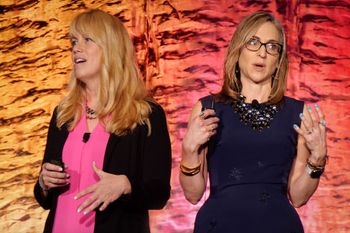
Whether its interval training or a search for fun, Fetch dvm360 keynote speakers Drs. Sue Ettinger and Mary Gardner have tips for building your beautiful, imperfect veterinary life.

On the good side, veterinary websites and social media pages devoted to supporting struggling veterinary professionals are a good thing. On the bad side, when it turns to venting, that might be hurting, not helping.
With a little work and a lot of commitment, could the vision of trauma-informed care and leadership from the human medical world transform your veterinary hospital for the better?

Disturbed to hear someone had a wait on a mental health hotline, this doctor and licensed social worker wants people to know that the calls do get through.

Drs. Mary Gardner and Sue Ettinger are pumped to share how they juggle a veterinary career and personal life.

A new resource developed by the American Foundation for Suicide Prevention, the AVMA and the AAVMC offers resources and advice for colleges of veterinary medicine when a student dies by suicide.

It might sound crazy, but research shows that overworking could affect your brain. If you and your team are working 40-hour plus weeks, it might be time make some adjustments.

How promoting selfcare in your veterinary practice can help address the suicide crisis in veterinary medicine.

I stumbled into a moderation job for Katherine Goldberg, DVM, LMSW, and inadvertently opened my eyes to a big need in the veterinary profession.