

Pets are good for everyone, including the homeless, but how do pets in homeless populations receive basic veterinary care? Enter Dr. John Geller and The Street Dog Coalition.
Pets are good for everyone, including the homeless, but how do pets in homeless populations receive basic veterinary care? Enter Dr. John Geller and The Street Dog Coalition.
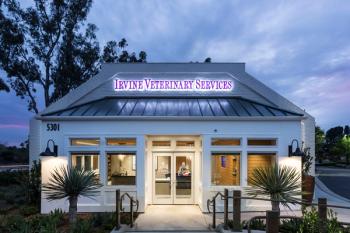
Natural materials and lighting, a clean flow, and a warm design set the stage for a relaxing veterinary experience in this 2020 dvm360 Hospital Design Competition merit award–winning facility.

Not getting enough sleep diminishes our focus and is detrimental to our health and wellbeing. Here’s why, and what to do about it.
In Episode 3 of The Vet Blast Podcast, Dr. Christman talks with veterinary student Chris Hollingsworth about how and when he discovered his passion for veterinary medicine, and why diversity and inclusion is so important in the profession.

More than 1,600 people have signed a petition demanding that the AVMA address systemic racism throughout the veterinary profession.

Sometimes you just can’t predict how your veterinary clients will respond.

Check out this week's top veterinary headlines

A simple process for managing an overwhelming to-do list can make you more productive — and less stressed — in no time.
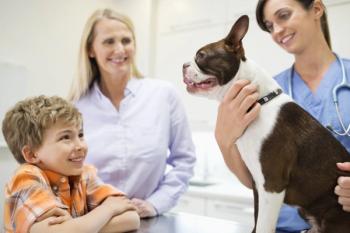
A maiden study pinpoints wardrobe styles pet owners prefer from their veterinarian, uncovering links between attire and the levels of trust, confidence, and comfort clients associate with the doctor.

For this veterinarian, the COVID-19 pandemic has reaffirmed his love and appreciation for the veterinary profession.

Congratulations to the class of 2020! As you prepare to enter the workforce, consider these tips to make your job search more fruitful.

Check out this week's top veterinary headlines.
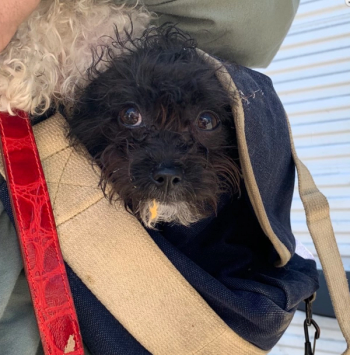
The two-month mobile relief mission has provided veterinary care for hundreds of pets owned by the homeless and those who became vulnerable in the wake of COVID-19 in California.

The corporate veterinary hospital chain recently launched a year-long program that aims to improve mental health and wellbeing among associates.

Danny Sack, DVM, offers some tips to help new veterinary students navigate their most challenging year of veterinary school.

Check out this week's top veterinary headlines.

The organization's founder and new veterinarian Dr. Tierra Price shares why and how she started BlackDVM Network and her mission to help provide vast resources to black veterinary students and professionals.

A second-year veterinary student shares his experience as the only black male student in his class—and how he plans to use his unique position as a platform to encourage change throughout the profession.

Is your newest associate a brand new graduate? Every member of the veterinary team can play a role in helping these young veterinarians succeed.

Veterinary practices are doing an excellent job of protecting their clients, patients and staff from COVID-19, but what about the emotional toll of the pandemic?
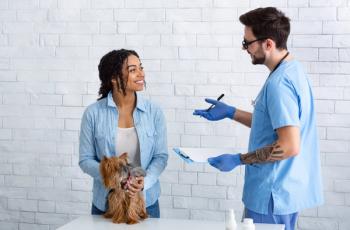
Here’s what you need to know to build an exceptional veterinary practice culture that your clients want to be part of.

Don't miss your chance to participate in an immersive online marketing and strategy workshop event designed to help you and your practice thrive during these unprecedented times in veterinary medicine.

The organization recently created two new scholarships to recognize students dedicated to promoting diversity and inclusion within the profession.

The breakroom in your hospital can serve multiple functions, all of which lead to a more productive and enthusiastic veterinary team.

This veterinary organization, founded by members of the LGBTQ+ community within the profession, is hosting several exciting virtual events in honor of this special month.
COVID-19 has tested our skills and forced veterinary practice owners, associates and teams out of our comfort zones in many ways. It has also taught us some important lessons along the way.

There may be disagreement about the reasons why relatively few minorities join the veterinary profession, but we all agree that increasing diversity and inclusion should be a priority.

Check out this week's top veterinary headlines.

The dilemma: Should you give special recognition to your front-line veterinary practice team in light of the fact that others were unable to work during COVID-19?

How do you feel about ghosts, clowns, drowning, bankruptcy, heights and Freddy Kruger? This Texas veterinarian recently had occasion to analyze his own worst fears, and here’s what he learned.