

Read more about the study here.
News|Articles|October 8, 2026
What to know about the latest findings on the contaminants detected in 100 cat food products across 62 brands
A new analysis detected heavy metals, glyphosate, and plastic-related chemicals in nearly all of the cat foods tested. This slideshow breaks down the findings, what they may mean for cats, and what remains unclear.
Advertisement
A Clean Label Project analysis of 100 cat food products from 62 US brands detected heavy metals, the herbicide glyphosate, and plastic-related chemicals in nearly all of the products tested. The findings highlight the presence of several contaminants in commercially available cat foods, but the analysis does not establish whether the levels detected pose health risks to cats. Click through for what the analysis found, where its limits lie, and what the report advises.
Advertisement
Related to this article
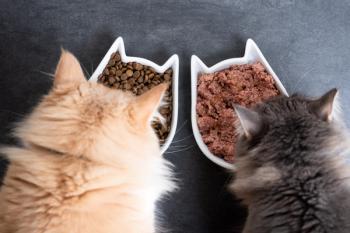
A study of 100 cat food products from 62 brands found heavy metals, an herbicide, and plastic-related chemicals across the products, with higher mercury levels in fish-based foods and higher lead levels in dry foods.
Many clients turn to supplements to support their pets' health. Understanding the difference between support and treatment helps veterinary teams keep these conversations focused on the patient's needs.

A pair of littermates with long limbs, lens luxation, and aortic root dilation carried a variant in FBN1, the same gene that causes the disorder in humans.

A small, spotted cat from Bolivia's cloud forests, first kept as a pet by someone who thought it was a house cat, has been confirmed as a species new to science.
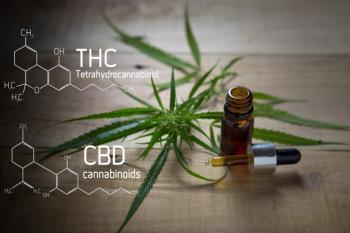
A law that took effect October 1 bars the state veterinary board from taking certain disciplinary actions against veterinarians solely for discussing or recommending cannabis or CBD products for animals.

A new double-scored tablet lets veterinarians dose firocoxib in quarter-tablet increments, extending the NSAID to dogs as small as 7 lb.
Aaron Shaw, OTR/L, CHT, CSCS, and Jennifer Edwards, DVM, ACC, ELI-MP, examine why veterinary work can take such a physical toll and what professionals can do to build strength, reduce injury risk, and stay in the profession longer.

An investigational CBD-THC oral solution for dogs with bone cancer pain is now eligible to pursue an FDA route that could bring it to market before full approval.
Advertisement
Advertisement
Trending on dvm360
1
Study finds heavy metals, glyphosate, and plastic-related chemicals in nearly all cat foods tested, but health risks remain unclear
2
Is pain just part of the job in veterinary medicine?
3
FDA clears pathway for conditional approval of cannabinoid drug for canine bone cancer pain
4
Eight things a veterinary social worker can do for clients and veterinary teams
5