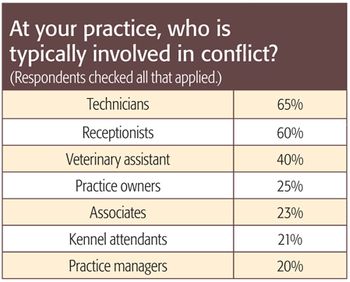
Technicians

i2-754071-1384167088427.gif

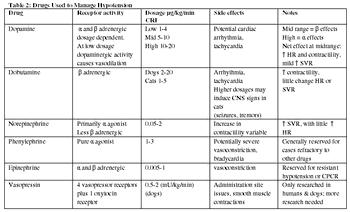
Sustained hypotension is a life threatening situation where the body's major organs (kidney, liver, brain, and heart) can experience irreversible damage from inadequate perfusion pressure. Veterinary technicians may encounter hypotension frequently when caring for emergency and critical care patients, as well as anesthetized or post operative patients who are frequently at risk of systemic hypotension.

The Board of Veterinary Medicine regulates and licenses people practicing veterinary medicine in the State. Although there are professional standards defining "veterinary-client-patient relationship" and proper prescribing of medications, it falls to the Board of Pharmacy in the state to regulate how prescription medications are dispensed to the general public.

The whole issue of ordering, storing, dispensing and recording controlled drugs can be of the most confusing in the veterinary practice. Since it's inception in 1970, the Controlled Substance Act has placed specific mandates on those who manufacture, distribute, administer or dispense drugs that are deemed addictive or abusive.

Cats are masters at hiding illness, so that clinicians must become expert at uncovering illness with a thorough medical history and feline-specific physical examination. Obtaining a medical history is easier than ever in today's electronic world. Clinicians can take advantage of multimedia tools to collect information, ranging from an email containing a basic signalment to videos of a particular behavior.

veterinary_recession1-681392-1384218972652.jpg

Is the recession over?

Here's a look at how the economy has affected your veterinary practice, your clients, and your patients.

The rules have changed when it comes to promoting yourself. See what's in ande out for today's work force.