









According to a study, waiting to spay large-breed female dogs until later in their first year of life may decrease their risk of developing urethral sphincter mechanism incompetence.
According to a study, waiting to spay large-breed female dogs until later in their first year of life may decrease their risk of developing urethral sphincter mechanism incompetence.

After recent reports indicating sightings of the extinct thylacine, or Tasmanian tiger, researchers are preparing to launch a scientific survey to capture the species on camera.

After 3 consecutive years of population increase, the manatee has moved from an endangered species to a threatened species by the U.S. Fish and Wildlife Service.

In our 24/7 world of technologies fighting for your attention, here's one colleague's thoughts on slowing down to take in the unparalleled perspective this hands-on art provides for your veterinary patients.

Researchers determined whether blood sucrose was a diagnostically accurate screening test for equine gastric ulcer syndrome in adult horses.

Among this week’s top stories are a skyrocketing caseload for the Royal SPCA, a python that ate a man alive, and scientists searching for a creature that’s been dead for more than 80 years.

Tritrichomonas foetus was identified more than 2 decades ago as a potential cause of feline diarrhea but, researchers now note, important questions about infection with this parasite remain—including whether or not to treat it.

In a great example of the “cross-kingdom” concept in action, decellularized plants have demonstrated potential as an environmentally friendly alternative to tissue engineering scaffolds.

Antibodies in commercial broiler chickens have a limited effect on C. jejuni clearance from the intestine, particularly the ceca—indicating minimal impact on the risk for foodborne zoonotic transmission from these birds.

Elephants rarely get cancer due to a large amount of the p53 protein in their system, and this protein could be the answer that humans have been seeking for decades.

Finnish researchers have identified the genetic cause of ARDS in Dalmatians, offering new pathophysiologic insight and enabling the development of a genetic test for this multifactorial syndrome.

The inaugural issue of this unique business resource will be available in April.

When conducted early in a dog’s service training, functional MRI may be able to predict suitability for service work, saving significant time and money.

Among this week’s news stories are the discovery of a potentially age-reversing drug, the death of a coin-eating turtle in Thailand, and the extreme measures one Czech zoo is taking to protect its rhinos. Also important, especially for cat owners: an easier way to medicate cats.

According to a review recently published in BMC Veterinary Research, the prevalence of CAFRs in dogs and cats varies with the presenting signs and type of diagnosis.

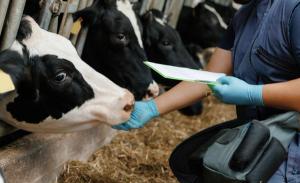
A new investigational vaccine has shown promise in protecting cattle from respiratory syncytial virus infection, according to a recent study.

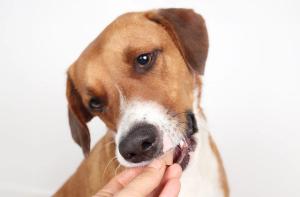
Dogs can use deception to get what they want from people, according to a study in Animal Cognition.

A recent study has confirmed known risk factors and identified new potential risk factors for feline diabetes mellitus.

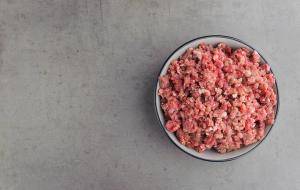
Two products have been recalled voluntarily due to the potential risk for elevated levels of naturally occurring beef thyroid hormones.

A recent study confirms that cats prefer clean litter to dirty litter, with no difference between litter soiled by themselves or by another cat.
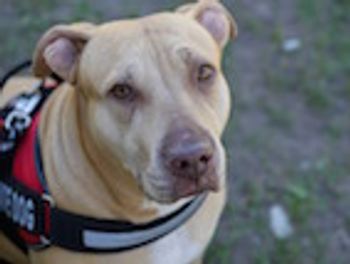
Thousands of people with disabilities across the country use service animals, primarily dogs. But some people misrepresent their personal pet dogs as service animals to reap personal benefits. In Massachusetts, a newly proposed law aims to make this act a civil offense.

Veterinary hospital located within the ARK at JFK at John F. Kennedy International Airport is preparing for a flood of first-rate service for all domesticated species.

A behavioral study of domestic cats may have debunked the longstanding belief that dogs are smarter than cats.

Psychological factors affect how humans perceive dog and human faces.
This week’s news highlights some unlikely heroes, including a Kenyan pea farmer who drives hours each day to quench the thirst of wild animals and skydiving dogs doing their part to thwart poachers in Africa. Also included: new cases of avian flu, dog bites in Japan, and dogs interviewing prospective candidates at an Edinburgh University.

A team of researchers working jointly at the University of Tokyo, University of Cambridge, King’s College, Stanford University, and the National Institute for Physiologic Sciences have successfully grown mouse pancreata inside the bodies of rats using transplanted mouse pluripotent stem cells.
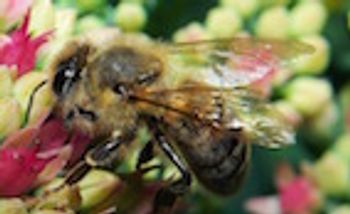
Bees are known for being industrious and having complex social structures within their communities, but perhaps they will also become well known for their problem-solving skills and cognitive abilities.

At WVC 2017, Dr. Sarah Moore delved into the diagnosis and treatment of degenerative lumbosacral stenosis in dogs.
The United States is already seeing a major increase in the number of Lyme disease cases in both humans and dogs this year. Researchers believe mice may be behind this influx of infections.

Dr. John Yannelli presented newer views on cancer treatment at the 2017 Western Veterinary Conference in Las Vegas, Nevada.