







Surgical decompression is a common treatment measure in dogs with neurologic deficits caused by intervertebral disk extrusion. But which is better—hemilaminectomy or mini-hemilaminectomy?
Surgical decompression is a common treatment measure in dogs with neurologic deficits caused by intervertebral disk extrusion. But which is better—hemilaminectomy or mini-hemilaminectomy?
Researchers observed marked differences in immune and endocrine responses between managed-care and wild dolphins, illustrating the environment’s effect on dolphin health.

Proper management of fear-based aggression requires a correct diagnosis of the problem and use of appropriate management options.

American Veterinarian is proud to announce the names of its first 10 editorial advisory board members from across the country.

This week at CVC Virginia Beach, Dr. Susan Ettinger outlined the prevalence, characteristics, diagnosis, and treatment of osteosarcoma in dogs.

Mixing paint, paper and fabric, Ande Hall highlights what makes animals special.

DNA sequencing has allowed researchers to create a genetic map of dog breeds. The analysis, which revealed some surprising findings, will allow researchers to identify gene variants responsible for breed development, behavior, and disease.

Survey results reveal how guide dog owners perceive the behavior of their guide dogs in both working and nonworking situations.

Is there an association between urolithiasis and chronic kidney disease in cats? Canadian researchers say yes.

Researchers have identified several early predictive factors for obesity in adult female beagles, adding to the current body of knowledge on canine obesity risk factors.

Following an analysis of more than 87,000 microscopic agglutination test results, researchers have created a predictive risk map for canine leptospirosis.

Researchers measured the antimicrobial susceptibility of coagulase-positive staphylococci identified in clinical infections from companion animals.
In this week’s roundup: Responsible pet ownership and animal welfare issues around the world.
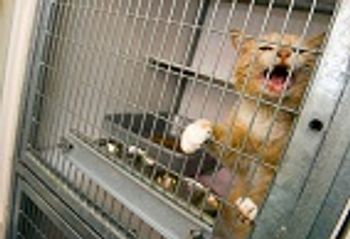
Where should shelters concentrate their efforts when it comes to keeping their populations healthy? Experts provide some time-saving tips that can be applied to both shelters and private practices.

Engaged volunteers are crucial to the overall success of animal shelters, and improvements are needed across the board. The suggestions provided here for increasing satisfaction among shelter volunteers can improve the productivity of animal shelters and veterinary practices alike.

May 13 is National Animal Disaster Preparedness Day. Veterinary teams play a key role in teaching clients how to care for their pets during emergency situations.

Since the early 1990s, the black bear population in southern New York has been growing and expanding its range across the state. Researchers are now trying to learn more about the black bear population and density in this region.
Coral reefs are in distress all over the world, and salt water fish are wild caughtneither should be placed in a veterinary clinics waiting room.

Following an initial recall of one lot of phenobarbital tablets resulting from a label mix-up error, Truxton Inc. is expanding its voluntary recall to include more lots of phenobarbital and amitriptyline tablets.
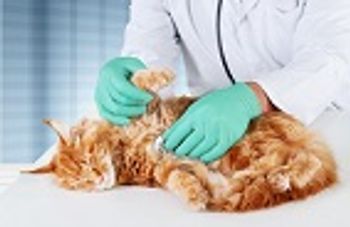
Researchers have determined that several congeners of two persistent organic pollutants are associated with increased risk of feline hyperthyroidism.

European researchers examined the social behaviors of neutered versus intact dogs. Here’s what they found.
Two lots of Smallbatch Pets Chicken Blend for Dogs & Cats have been recalled due to potential contamination with Salmonella.

The United States District Court for the Southern District of Florida entered a consent decree of permanent injunction between the United States and Syfrett Feed Company Inc.
A recent review article links animal abuse and human violence, emphasizing the veterinarian’s important role in preventing and reducing both.
In this week’s roundup: monkey deaths spurred by fear over yellow fever in Brazil, an ambulance service for cows in India, and the problem with exotic animal and mobile zoos in Canada.

The demographics of canine hip dysplasia and its human counterpart—developmental dysplasia of the hip—show some striking similarities.
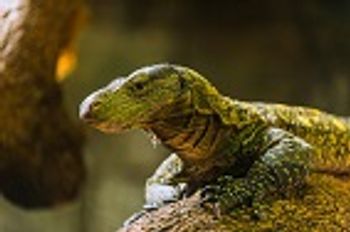
Inspired by the discovery of an antimicrobial protein in Komodo dragon plasma, researchers have synthesized a peptide called DRGN-1 that demonstrated potent antimicrobial and wound healing activity.

A recent study found promise in a new drug that treats cachexia, a progressive wasting syndrome. The trial is currently in canine patients, with hopes to move to human patients in the future.
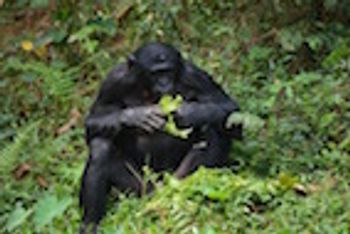
A new study shows that bonobos—not chimpanzees, as was once thought—may be more closely linked, anatomically speaking, to humans.