

During an interview with dvm360®, Jason Wernli, president at AllyDVM, spoke about how practice owners are missing opportunities to schedule more appointments.
During an interview with dvm360®, Jason Wernli, president at AllyDVM, spoke about how practice owners are missing opportunities to schedule more appointments.
Mark A. Mitchell, DVM, MS, PhD, DECZM (Herpetology), shares why it is important not to overlook the value of performing these practices thoroughly.
Claire Fellman, PhD, DVM, DACVIM (SAIM), DACVCP, explains the difference between tightly controlling glucose and focusing more on the clinical signs and other factors of diabetes in cats.
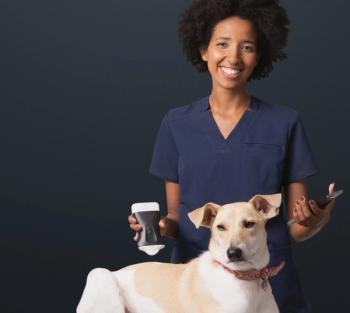
The new line of wireless ultrasound scanners are roughly the size of an iPhone.
During an interview with dvm360®, Jason Wernli, president at AllyDVM, explained how to overcome internal resistance to forward booking to increase appointments and revenue.
Claire Fellman, PhD, DVM, DACVIM (SAIM), DACVCP, shares the pros and cons of low-carb vs "ultra" low-carb diets in cats with diabetes.
During an interview with dvm360®, Tasha McNerney, CVT, CVPP, VTS (Anesthesia and Analgesia), encouraged veterinary technicians to be proactive and implement their ideas to accelerate the animal care field.
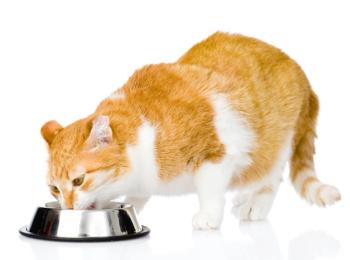
Understanding the clinical picture and performing appropriate diet trials will improve identification of patients suffering from food reactions, including allergy
During an interview with dvm360®, Jason Wernli, president at AllyDVM, shared the challenges with client retention and how technology can alleviate some of the burden.
During an interview with dvm360®, Tasha McNerney, CVT, CVPP, VTS (Anesthesia and Analgesia), revealed why veterinary technicians often leave the field, plus how utilizing their capabilities can promote sustainability and profit.
In a dvm360® interview, Chris Pachel, DVM, DACVB, CABC, stressed the importance of veterinary professionals advising their clients to redirect problem behaviors in their companion animals rather than responding with punishment.
In an interview with dvm360®, Jan Woods, co-founder of Ask Jan, shared the key to finding employees who best align with your practice's mission.
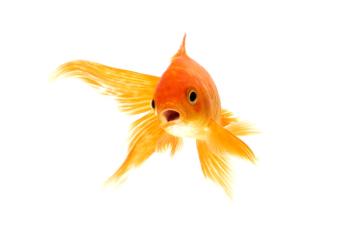
An aquatic species expert shares 6 elements to consider in creating a plan that will mitigate stressors and reduce risk of transmitting pathogens.
During an interview with dvm360®, Tasha McNerney, CVT, CVPP, VTS (Anesthesia and Analgesia), offered inspiring advice for veterinary technicians to take control of their careers.
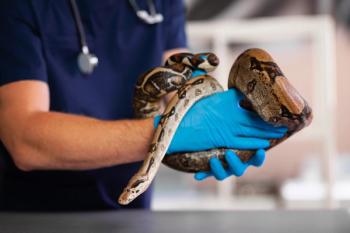
Dr Mark A. Mitchell, an expert in herpetological medicine, shared his thought process for deductive reasoning during his lecture at the Veterinary Meeting & Expo.

The Covetrus Pulse system assists with prescription management, communication, dashboards and third-party apps
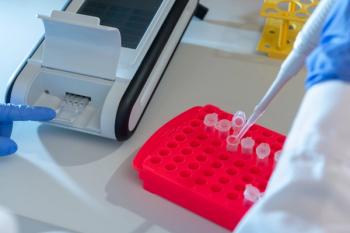
First PCR test for parasites affecting cats and dogs relies on molecular technology.
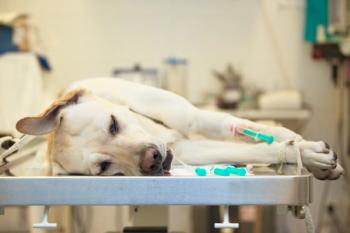
Ensuring patients receive appropriate feeding is essential to their recovery.

Five startup businesses will present their pitches live

Two data scientists demonstrate how veterinary practices can take simple steps to better serve their communities and make more money in the process.
In a recent dvm360® interview, Christopher Pachel, DVM, DACVB, CABC, described what he calls the 'seduction of punishment' when attempting to correct feline behavior and how this causes adverse effects.
In an interview with dvm360®, Kelly Cairns, DVM, DACVIM, MS, described the two main types of feline Cholangitis/Cholangiohepatitis Syndrome, plus effective treatment methods.
In an interview with dvm360®, Jan Woods, cofounder of Ask Jan, outlined tips for handling inventory to help increase practice revenue.
In a dvm360® interview, Sue Ettinger, DVM, DACVIM (Oncology), highlighted discrepancies among dog and cat patients when treating lymphoma with chemotherapy.
In a dvm360® interview, Matthew Brunke, DVM, DACVSMR, CCRP, CVPP, CVA, shared why clients may be hesitant to take their pets to rehabilitation, plus how you can proactively change this.
During a recent interview with dvm360®, Dr Mark Goldstein shared what he hopes those who read his book take away from it.
During a dvm360® interview, Bridget Rollins, EMBA, highlighted key characteristics that distinguish a leader from a manager.
In a recent dvm360® interview, Chris Pachel, DVM, DACVB, CABC, provided detailed insight on the Hierarchy of Behavior-Change Procedures and its benefits for patients.
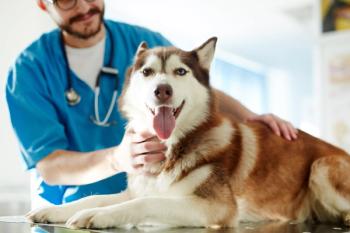
The role of the gastrointestinal tract in optimal function of an animal’s body is complex. Maximizing the function of the GI tract can help improve the overall health of patients.
During an interview at the Fetch dvm360® San Diego Conference, Kelly Cairns, DVM, DACVIM, MS, reviewed a simple, yet effective way veterinary professionals can show gratitude to each other each and every day.