

In this interview, Charles D. McMillan, DVM, describes why he was instantly drawn to Fetch dvm360® conferences after first lecturing at one several years ago.
In this interview, Charles D. McMillan, DVM, describes why he was instantly drawn to Fetch dvm360® conferences after first lecturing at one several years ago.

3 noteworthy Fetch faculty members reveal why they find Fetch dvm360® conferences particularly valuable and enjoyable
In an interview, Tasha McNerney, CVT, CVPP, VTS (Anesthesia and Analgesia), expressed she is excited to relish the food Charlotte, North Carolina has to offer while at our next Fetch dvm360® conference.
In an interview, Stephen Cital, RVT, SRA, RLAT, CVPP, VTS-LAM (Res. Anesthesia), describes which talk he is particularly excited to give at the Fetch dvm360® conference next week in Charlotte, North Carolina.
In an interview, Tasha McNerney, CVT, CVPP, VTS (Anesthesia and Analgesia), reveals her favorite aspect of Fetch dvm360® conferences (hint: it has to do with the fun learning environment).
In this interview, Charles D. McMillan, DVM, detailed what he'll cover during his upcoming talk on relief veterinarians at the Fetch dvm360® conference.
In this interview, Charles D. McMillan, DVM, summarized key points he will address during his talk on diversity at the next Fetch dvm360® conference.
In an interview, Stephen Cital, RVT, SRA, RLAT, CVPP, VTS-LAM (Res. Anesthesia), outlines the array of lectures he will deliver at our next Fetch dvm360® conference.
In an interview, Stephen Cital, RVT, SRA, RLAT, CVPP, VTS-LAM (Res. Anesthesia), divulges what he loves most about Fetch dvm360® conferences.
In this interview, Charles D. McMillan, DVM, shared what he will cover in his talk on vaccines at the upcoming Fetch dvm360® conference.
In an interview, Fetch dvm360® keynote speaker Rachel Allbaugh, DVM, MS, DACVO, provided a sneak peek of her upcoming lectures.
Mia Cary, DVM, talks about working smarter, not harder and offers a sneak peek of her upcoming talk at the Fetch dvm360® conference in Charlotte, North Carolina.
In a social media live interview, Kathleen Cooney, DVM, CHPV, CCF, describes what the new Companion Animal Euthanasia Training Academy CE track will entail at the upcoming Fetch dvm360® conference.
In a dvm360® interview, Christopher Pachel, DVM, DACVB, CABC, summarized what he will cover in his upcoming talk 'More Than Just a Naughty Cat.'
During an interview with dvm360, Alyssa Mages, BS, CVT, talked about her excitement for the upcoming Fetch dvm360 conference, including the chance to sing karaoke.

In this interview, Bash Halow, LVT, CVPM, told dvm360® what he is looking forward to when visiting the Queen City in North Carolina for the next Fetch dvm360® conference.
In an interview, Betsy Charles, DVM, MA, divulges what she is looking forward to when visiting Charlotte, North Carolina for the first Fetch dvm360® conference in the city.
Check out what new Fetch Faculty member Leilani Alvarez, DVM, DACVSMR, is excited to do once she arrives in Charlotte for the upcoming Fetch dvm360 Conference.
In an interview, Betsy Charles, DVM, MA, described a lecture she is particularly excited to deliver at the upcoming Fetch dvm360® conference.
In a dvm360® interview, Christopher Pachel, DVM, DACVB, CABC, highlighted what he'll cover in his upcoming session on introducing a new dog or cat to the household.
In an interview, Betsy Charles, DVM, MA, highlighted why she recommends that all kinds of veterinary professionals should attend her talks at the next Fetch dvm360® conference.
In a dvm360® interview, Christopher Pachel, DVM, DACVB, CABC, shared why he doesn't have 1 favorite lecture he is delivering because he is excited for the unique discussion each will inspire.
In an interview, Christopher Pachel, DVM, DACVB, CABC, highlighted what he loves most about Fetch dvm360® conferences.
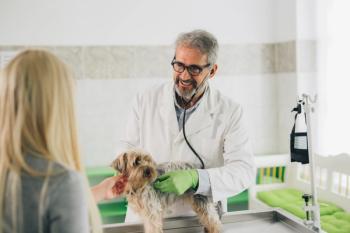
A veterinary expert shares strategies to maximize communication effectiveness and improve compliance.
In an interview, Betsy Charles, DVM, MA, excitedly detailed the talks she will deliver at the next Fetch dvm360® conference.
In a dvm360® interview, Christopher Pachel, DVM, DACVB, CABC, described what he will cover in his upcoming talk, 'Behavioral Euthanasia Considerations Bringing the Conversation out of the Shadows.'
In an interview, Betsy Charles, DVM, MA, divulged her favorite aspect of Fetch dvm360® conferences.
In an interview, Christopher Pachel, DVM, DACVB, CABC, detailed his upcoming lecture he will be presenting at the Fetch dvm360® conference, 'Medical Conditions Masquerading as Behavior Problems.'
In an interview with dvm360®, new Fetch Faculty member, Leilani Alvarez, DVM, DACVSMR, discussed the talks she will be presenting.
3 videos spotlighting our Fetch Faculty detailing talks they will deliver at the upcoming conference