Pamela D. Jones, DVM, DACVIM (Oncology), DACVR (Radiation Oncology), shares strategies for diagnosing and treating canine lymphoma, emphasizing personalized care and emerging therapies.

Pamela D. Jones, DVM, DACVIM (Oncology), DACVR (Radiation Oncology), shares strategies for diagnosing and treating canine lymphoma, emphasizing personalized care and emerging therapies.

Alex Sigmund, DVM, DACVO, explains how to evaluate senior patients’ eyes, weigh medication and surgical risks, and use simple exams to guide compassionate, practical care.

Benita Altier, LVT, VTS (Dentistry), discusses the importance of good posture when caring for patients and how dentistry tools can help.

Discover key insights on decision-making biases in veterinary care from Erik Zager, DVM, DACVECC.

Monica Tarantino, DVM, MBA, highlights the importance of proactive chronic pain management in elderly dogs.

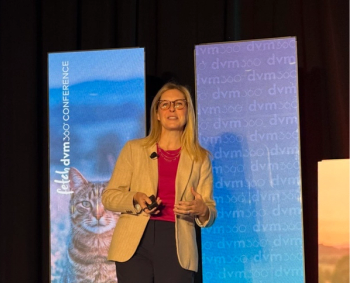
Erik Zager, DVM, DACVECC, kicks off Fetch Long Beach with an evidence-based framework for everyday clinical decision-making.

These practical, case-focused sessions at Fetch Long Beach promise to deliver immediate, clinic-ready skills.

Clinical study results show Synoglide's effectiveness in restoring biomechanics for improved joint function.


Upcoming industry events for earning continuing education credits.

The Drug Enforcement Administration is auditing veterinary clinics more frequently than before, explains Jack Teitelman, CEO of a DEA regulatory consulting firm, in this Q&A.

Understanding where a client is on the spectrum of concern regarding their pet’s quality of life is essential, explains Monica Tarantino, DVM, MBA, in this interview at the 2025 New York Vet Show.

Galina Hayes, BVSc, DVSc, PhD, DACVECC, DACVS, discusses how to adapt the surgical technique when challenges arise.

Signs of pain may be subtle and be mistaken for old age, explains Monica Tarantino, DVM, MBA, in an interview at the 2025 New York Vet Show.

Galina Hayes, BVSc, DVSc, PhD, DACVECC, DACVS, explains how tight sutures might do more harm than good, in this interview with dvm360.

Gain insights into practice transitions, including strategic evaluations and how to maximize sales opportunities in the veterinary industry, from this interview with dvm360.

A simple interrupted pattern and a simple continuous pattern are most commonly used, but how do you decide which one to use? Galina Hayes, BVSc, DVSc, PhD, DACVECC, DACVS, offers an answer.

Not all cats need to be treated for giardiasis, Michael Lappin, DVM, PhD, DACVIM, explained in a lecture at the 2025 New York Vet Show.

As senior pets experience mobility issues, veterinary teams play a crucial role in evaluating, diagnosing, and managing these cases.

Charlotte Weir discussed first impressions for clients and how workplace culture can empower staff in a Fetch dvm360 Conference presentation.

Chelsie Estey, MSc, DVM, DACVIM (Neurology), shares her inspiring journey from veterinary neurology to becoming the US chief veterinary officer for Hill’s Pet Nutrition.

Explore the latest insights on canine atopic dermatitis treatment with Joya Griffin, DVM, DACVD, and Adam Christman, DVM, MBA.

April Blong, DVM, DACVECC, discusses emergencies of the heart including tachycardia, in a dvm360 interview.

April Blong, DVM, DACVECC, discusses one way that all respiratory distress cases should be handled.

Meghan Herron, DVM, DACVB, FFCV, discusses the most concerning infectious disease and parasites for which protective treatments are available, in a dvm360 interview.

Melissa Evans, CVT, LVT, VTS (ECC), describes how some members of the veterinary team actively participate in caring for patients with this serious condition.

Upcoming industry events and association meetings are listed.

Shelby Bossler, DVM, discusses the prevalence of corneal ulcers and other eye conditions general practitioners typically see.

April Blong, DVM, DACVECC, discusses clinical signs and what veterinary professionals should look for in these emergency cases.

Meghan Herron, DVM, DACVB, FFCV, discusses behavior that may be perceived as projecting dominance, and how human reaction to this perception can affect the bond between a pet and its’ owner.