

Feline Medicine
Latest News





Advertisement
Latest Videos
CE Content




























Advertisement
More News

A sneak peek look at this week's headlines

Brush up on the latest strategies for managing and correcting nuisance behaviors in cats.

A bacterial culture, the gold standard for detecting urinary tract infections can take days to produce visible results, causing doctors to prescribe antibiotics in the interim for pet symptom relief. Antech’s new FIRSTract produces results in just hours, helping to reduce overuse of antibiotics.

Veterinary technicians play a critical role in identifying and treating blocked cats in the emergency department.

Diagnosing and treating cats with pruritus can be difficult. But it is a hurdle veterinarians can overcome. Here's how.

Here's a sneak peek at this week’s veterinary headlines.

Here's a look at this week's highlights.

All winning animal shelters received $10,000 and were selected based on essays written about their plans to launch animal-health initiatives for shelter and rescue pets.

Credelio Cat has shown to safely and effectively kill fleas on cats 8 weeks or older and offers protection against black-legged ticks in cats 6 months or older.

Before 2020, when the foundation tested this concept, grants for both canine and feline studies were approved by a Small Animal Advisory Board.
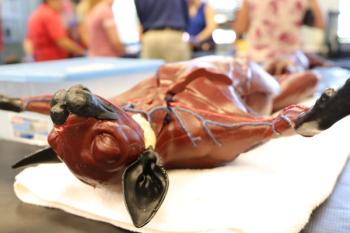
This revolutionary training tool simulates the anatomy of a live cat, allowing veterinary students to perfect their craft without the use of a live patient.

From debunking pet food myths to exploring the history of the feline diet, these articles are guaranteed to help you brush up on your pet nutrition knowledge.

The majority of veterinarians who wait to sterilize cats until age 6 months or older cited future health concerns as the driving force behind their recommendation.

The 9-person team will determine funding allocations for feline health research.

Brush up on your feline knowledge. Find out how to best communicate with clients about weight loss options, plus take a closer look at the 2 types of pain-related cat behaviors, and much more.

Check out this week’s highlights.

Cats come with caveats, both real and misconceived. But a new generation of pet owners seems determined to understand cats—and enrich their lives like never before.

A sneak peek at this week's headlines.

Check out this week’s highlights.
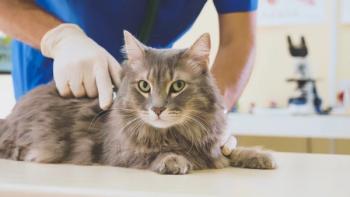
The guidelines outline lifetime care and cat-friendly approaches to improve feline health and well-being.

This new digital resource will help veterinary professionals access and gather vital information quickly.

Physical activity and creative mealtime strategies can support weight loss, boost quality of life, and bond cats more tightly with their humans.

Here's a sneak peek at some of this week's headlines.

Treating constipated cats can frustrate many veterinarians due to the chronic, recurrent nature of the disease. Developing an effective management strategy can improve outcomes for these patients.

Understanding the varied patterns of cutaneous lesions, response to treatment, and management of secondary issues is important for control of feline allergies.
Advertisement
Advertisement
Trending on dvm360
1
USDA confirms first New World screwworm detection in US wildlife
2
Wedgewood recalls nearly 4000 compounded veterinary products over drug potency concerns
3
Kitten visits to veterinary practices hold steady as the puppy pipeline slows
4
Weekly Vet Report: Thousands of veterinary drugs recalled, FDA drug approval + more
5