


















In 2003, frequency of calcium oxalate uroliths fell to 47 percent; frequency of struvite uroliths rose 42 percent.

In 2003, frequency of calcium oxalate uroliths fell to 47 percent; frequency of struvite uroliths rose 42 percent.
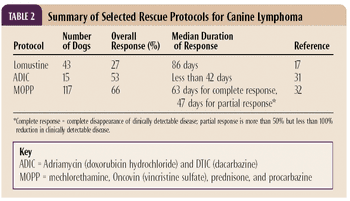
Lymphoma is the most common hematopoietic neoplasm affecting both dogs and cats and results from the malignant transformation of lymphocytes.

ST. JOSEPH, MO. — Boehringer Ingelheim Vetmedica Inc. received Food and Drug Administration (FDA) approval for the use of Metacam? (meloxicam) injection in felines.

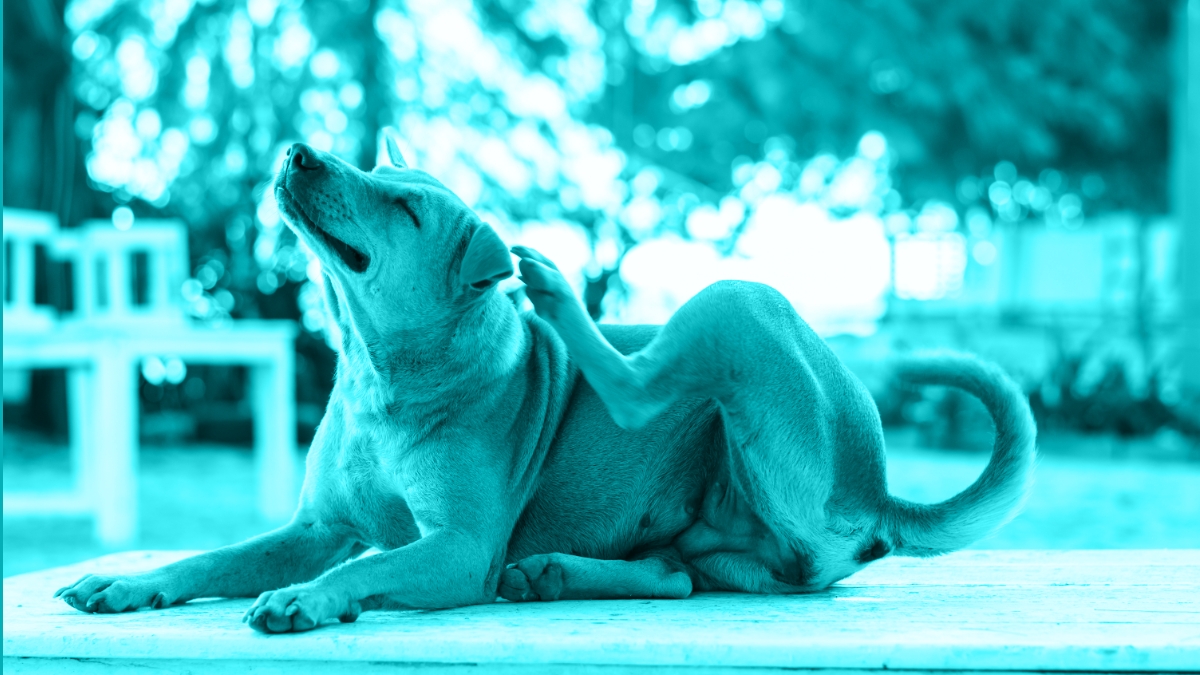
Although the prevalence of self-directed behaviors is not well-documented in dogs or cats, it is likely underappreciated because animals are not typically presented for evaluation of such behaviors unless the clients think their pets are manifesting a behavior problem or some degree of injury as a consequence of the behavior.

St. Louis — Purina Veterinary Diets introduces a therapeutic weight-loss formula for cats.

A 2-year-old intact male Siamese cat was presented to the University of Wisconsin School of Veterinary Medicine's Dermatology Service for evaluation of self-mutilation and psychogenic licking of the forelimbs and abdomen.
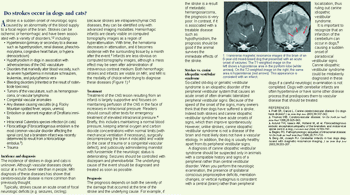
Neurodegenerative diseases in dogs and cats can result from a wide variety of pathologic processes.
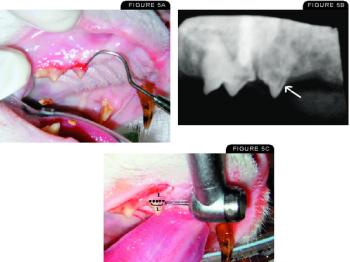
Tooth resorption is the most common dental problem in cats, with studies worldwide showing a prevalence rate (in cats presented for dental problems) of up to 75%.

In this retrospective study from a veterinary teaching hospital, the records of 15 dogs and three cats surviving cardiopulmonary arrest were reviewed to describe the animals' resuscitations and outcomes.

Duluth, Ga.—Merial, announces a new, non-adjuvanted feline leukemia vaccine to its Purevax, line of vaccines.
In this article, we offer guidance on what drug or combination of drugs to use, concentrating mainly on postoperative analgesia.

Since it was first documented in 1979, hyperthyroidism has become increasingly more common in cats.
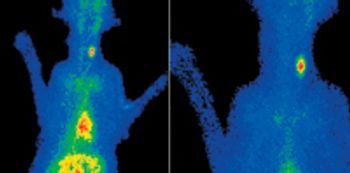
In this article, I describe the most common clinical signs and physical examination findings in hyperthyroid cats. I also review the available diagnostic methods, including their advantages and disadvantages.
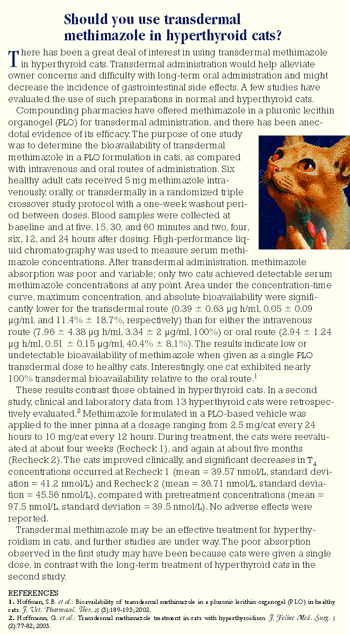
The options for treating feline hyperthyroidism include surgery, medical therapy, and radioiodine therapy.

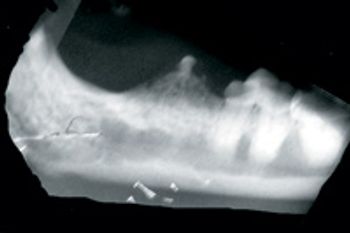
Coming in August: Dr. Carmichael will complete his discussion on feline oral diseases including odontoclastic resorptive lesions, treatment options for fractured teeth, feline gingivitis/stomatitis syndrome and feline oral neoplasia.
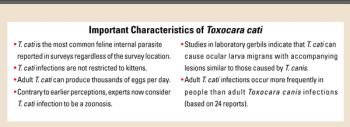
The CAPC guidelines are based on the concept that awareness of heartworms and other parasites can increase compliant use of broad-spectrum agents.
Albuquerque, N.M.-The American Association of Feline Practitioners (AAFP) published its strategy to dealing with the nation's 73 million feral or abandoned free-roaming cats, advocating trap-neuter-release (TNR) programs and, in some cases, euthanasia.
The E.R.D.-HealthScreenTM Feline Urine Test can detect disease in feline patients before signs appear.
An owner depends on the veterinarian to assess the danger of any potential disease to his or her dog or cat. In some instances, these dangers are well known by the general public (rabies, distempter, FeLV), and owner's may request these "preventative measures".
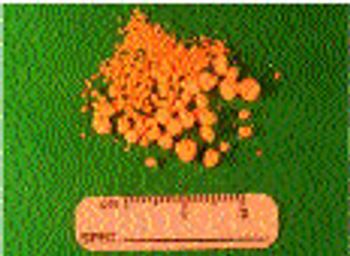
Recently a colleague in private practice asked me for advice about how to treat cystine bladder stones formed by a 5.5 year-old, spayed female Siamese cat. Although textbooks that he consulted contained information about cystine urolithiasis in dogs, he was unable to find recommendations for this disorder in cats. How would you manage this case?
Q: Could you review the causes and management of diabetes mellitus in older cats?
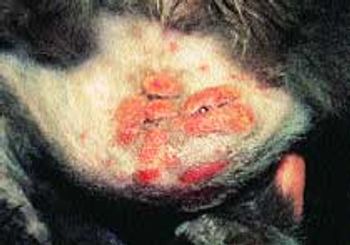
In DVM Best Practices on Feline Medicine (May, 2002), I wrote about feline ear mites and dermatophytes, two common infectious diseases often seen in feline practice.

Dr. Ray Dillon explores the challenges practitioners face when diagnosing heartworm disease in cats.
Idexx Laboratories, Inc. introduces the new Snap® Feline Heartworm Antigen test kit, an in-clinic diagnostic test that detects antigen from Dirofilaria immitis infection in cats.