


Conference Coverage
28 days ago
Inside veterinary social workTrending on dvm360
1
The role of nutrition in extending health span for senior pets
2
Veterinary professionals cite burnout, pay, and corporate ownership concerns in dvm360 survey
3
Consumers say veterinary care is among the last things they’d cut
4
dvm360 Live! returns with a DOJ pet food lawsuit, screwworm surveillance, and more
5
Purina launches 3 pelleted forage products for horses
Latest News








Advertisement
Shorts
0:49
Why veterinary job seekers should look beyond salary and assess workplace culture
21 hours ago
by
Tripp Oliphant, DVM(+1 more)
1:11
Showing up as your best self starts with 3 simple questions
2 days ago
by
Bethany Weinheimer, DVM(+1 more)

1:07
Factoring cost and comfort into itch control options
2 days ago
by
Julia E. Miller, DVM, DACVD(+2 more)
1:38
The risks of taking a wait-and-see approach to heart murmurs
3 days ago
by
Tripp Oliphant, DVM(+1 more)
1:16
New studies back the health benefits of fresh dog food
3 days ago
by
Brandon Stapleton, DVM(+1 more)
0:58
A strong bond with a pet may ease teenagers’ loneliness and social anxiety
4 days ago
by
Vanessa Ashall, PhD(+1 more)
3:07
When does the physical work of vet med become a risk for injury?
7 days ago
by
Aaron Shaw, OTR/L, CHT, CSCS(+2 more)
0:47
Wellbeing and the human-animal bond
7 days ago
by
Vanessa Ashall, PhD(+1 more)
1:43
Why veterinary work can take such a physical toll
8 days ago
by
Abi Bautista-Alejandre, Assistant Editor
0:30
When Toxoplasma gondii testing may be warranted
8 days ago
by
Christopher Lee, DVM, MPH, DACVPM, DACVM (Parasitology); Cert: FFC, CFV, RECOVER-ALS(+1 more)








dvm360 Digital Edition
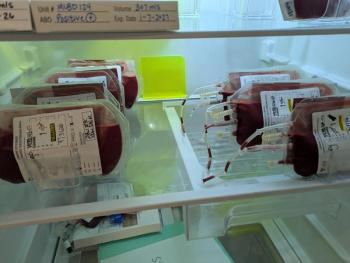
Starting your blood bank by building the foundation first
Big business has tilted the balance in the American veterinary industry, as resources and economies of scale turn corporate chains into powerful foes for hospitals set on remaining independent.

Scripts for confident client conversations
Pyometra is a common and serious illness in adult intact dogs and cats. Because a patient experiencing pyometra may deteriorate rapidly, this condition requires emergency intervention.
A technician’s approach to veterinary trauma

Continuing Education on-demand anytime, anywhere, plus some upcoming live opportunities.
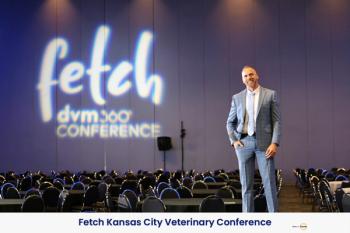
We all get the same 24 hours, whether you are a new graduate drowning in student debt, a technician working a double, or Ariana Grande on tour.
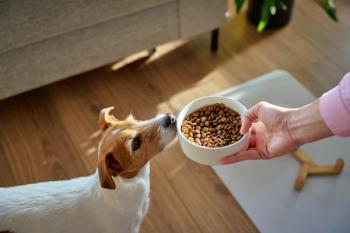
SNAP-P is a proposed high-impact program that would provide at least $4.4 billion in benefits to low-income pet owners at marginal cost to federal and state governments.
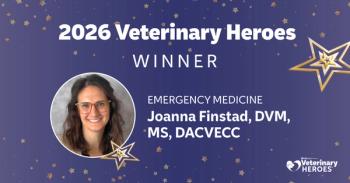
Joanna Finstad, DVM, MS, DACVECC, is dvm360's 2026 Veterinary Hero Emergency Medicine award recipient.
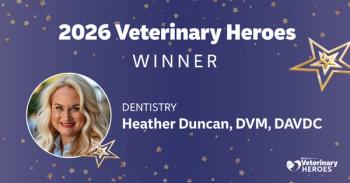
Heather Duncan, DVM, DAVDC, is dvm360's 2026 Veterinary Hero Dentistry Award recipient.
Continuing Education








Advertisement
All News
Advertisement
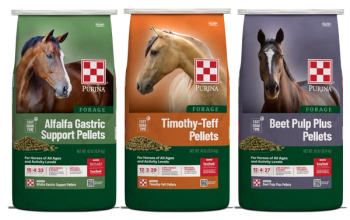
The line targets horses with limited pasture access, chewing difficulties, or specific starch and sugar needs, and can stand in for some or all hay depending on the formula.
In a voluntary dvm360 survey of 146 veterinary professionals, nearly 3 in 4 reported moderate or severe burnout, with administrative burden, workload, and staffing shortages among the most frequently cited stressors. Written responses raised concerns about compensation, client behavior, and revenue-driven appointment quotas.
New guidelines from RECOVER are written for veterinary teams to teach owners, handlers, and other caregivers what to do in the minutes before a pet reaches the clinic.

A recently shared Pet Poison Helpline case traces how a wild mushroom eaten on a walk left a dog unable to stand within hours, and how the team treated it.
Ashlie Saffire, DVM, Diplomate ABVP (Feline), discusses diagnosing and monitoring feline hyperthyroidism and how Felanorm (methimazole) Oral Solution helps caregivers and clinicians manage the disease.
Senior pets rarely come in with just one problem. Nutrition that addresses cognitive decline, joint pain, and coexisting conditions together can help keep aging patients sharp, mobile, and engaged.
Bethany Weinheimer, DVM, discusses authentic values, the power of “no,” and building a veterinary career that lasts.

With human emergency visits for tick bites at a multiyear high this spring and adult deer ticks most active in cooler months, fall gives veterinary teams a timely opening to reinforce year-round prevention.

Veterinary professionals face elevated suicide risk, influenced by both workplace pressures and personal challenges. This article explores how individuals and veterinary workplaces can strengthen protective factors, foster supportive environments, and improve access to mental health resources.
Starting your blood bank by building the foundation first
Advertisement
Migraine caps, eye masks, and wraps may carry a hidden neurotoxic risk for dogs.

New leadership moves, recognition, and achievement.

AB 1999 changes how veterinarians establish the veterinarian-client-patient relationship, creates new pathways for shelter and volunteer work, and limits surgeries performed by animal owners.
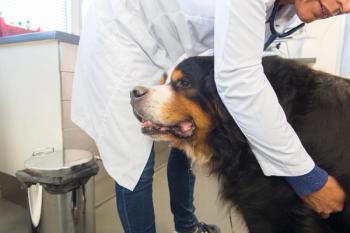
A conversation on how adjusting body positioning and building physical strength can help veterinary professionals manage the physical demands of patient care and reduce injury risk.

An open-source, low-cost sensor developed by Colorado State University and US Forest Service researchers pairs air-quality readings with GPS and physiological data to reveal how wildfire smoke affects free-ranging animals.

A month-by-month guide to regional, specialty, and international meetings with CE opportunities for veterinary professionals before the year ends.
The latest updates relating to animal care establishments and platforms.
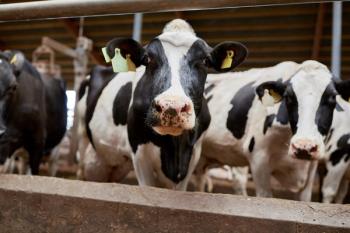
Two herds tested positive after cattle showed signs of illness, marking the state’s first confirmed livestock cases.
Big business has tilted the balance in the American veterinary industry, as resources and economies of scale turn corporate chains into powerful foes for hospitals set on remaining independent.

Average veterinary school debt reached a record high for the class of 2026, while inflation-adjusted starting compensation fell further behind income across the profession.
Scripts for confident client conversations

A new analysis detected heavy metals, glyphosate, and plastic-related chemicals in nearly all of the cat foods tested. This slideshow breaks down the findings, what they may mean for cats, and what remains unclear.

A law that took effect October 1 bars the state veterinary board from taking certain disciplinary actions against veterinarians solely for discussing or recommending cannabis or CBD products for animals.
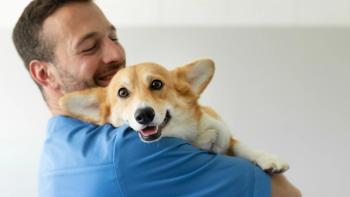
A new double-scored tablet lets veterinarians dose firocoxib in quarter-tablet increments, extending the NSAID to dogs as small as 7 lb.
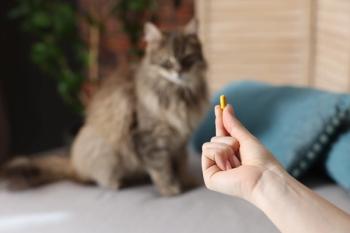
Many clients turn to supplements to support their pets' health. Understanding the difference between support and treatment helps veterinary teams keep these conversations focused on the patient's needs.
Aaron Shaw, OTR/L, CHT, CSCS, and Jennifer Edwards, DVM, PCC, CPC, ELI-MP, examine why veterinary work can take such a physical toll and what professionals can do to build strength, reduce injury risk, and stay in the profession longer.

An investigational CBD-THC oral solution for dogs with bone cancer pain is now eligible to pursue an FDA route that could bring it to market before full approval.
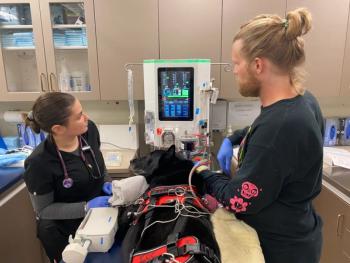
A 7-year-old Belgian Malinois recovered after her veterinary team used the extracorporeal therapy to clear the drug from her bloodstream.
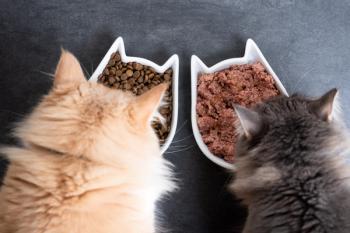
Study finds heavy metals, glyphosate, and plastic-related chemicals in nearly all cat foods tested, but health risks remain unclear
Published: | Updated:
A report of 100 cat food products from 62 brands found heavy metals, an herbicide, and plastic-related chemicals across the products, with higher mercury levels in fish-based foods and higher lead levels in dry foods.
Craig A. Clifford, DVM, MS, DACVIM (Oncology), explains how to recognize feline lymphoma, and covers the newer tools that may help one of oncology's most overlooked patients.
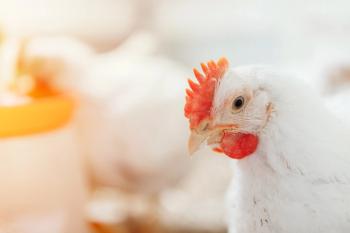
The live, engineered probiotic product is designed to reduce deaths from a costly intestinal disease in broiler chickens and offers producers an option beyond antibiotics.

The veterinary teaching hospital will offer 5 internship positions for the 2027-28 academic year, with applications opening November 1

A new study found 83.7% of veterinary professionals now use artificial intelligence, with practices that have a clear strategy, governance, and redesigned workflows reporting the biggest boost in business outcomes.
Advertisement
Advertisement