Pro tip 1
Invest in organization before you invest in blood.
Starting your blood bank by building the foundation first
Have you ever found yourself staring at a critically anemic patient while frantically calling neighboring hospitals looking for blood? If so, you’re not alone. Most veterinary professionals have experienced that sinking feeling when a patient can’t wait, the nearest blood bank is out of stock, or delivery is still hours away. In those moments, having blood readily available can mean the difference between saving a patient and losing one.
The idea of starting an in-house blood bank can feel overwhelming. Specialized equipment, donor recruitment, inventory management, and transfusion protocols may seem like a daunting undertaking. The good news is that every successful blood bank begins the same way: with 1 donor, 1 unit of blood, and a team committed to improving patient care.
The key is to start small and build thoughtfully. Starting with staff pets is a good way to get those first few donors. Before collecting your first donation, take time to develop the framework for your program. Assess your hospital’s transfusion needs; establish standard operating procedures for donor screening, collection, storage, and transfusion; and ensure your team is comfortable with blood typing, crossmatching, and transfusion monitoring. Being organized from the beginning will make your program safer, more efficient, and easier to expand.
A dedicated blood refrigerator with continuous temperature monitoring is essential, along with a reliable inventory management and product labeling system. Initially, fresh whole blood and packed red blood cells may be all your hospital needs. As your donor program grows, you can expand into component therapy, allowing a single donation to benefit multiple patients while maximizing every precious unit.
Perhaps the biggest mistake new blood banks make is collecting more blood than they can reasonably use. Blood products have a limited shelf life, and every expired unit represents the generous gift of a donor and owner who volunteered to help another animal. Instead, grow your inventory along with your hospital’s needs. Review transfusion trends regularly and adjust your collection schedule accordingly.
Saving lives does not require a large blood bank. It requires a well-organized one, supported by clear protocols, an engaged team, and committed donors. This will prepare your hospital for the day when blood is not simply helpful—it is lifesaving.
Invest in organization before you invest in blood.
Before recruiting donors or purchasing equipment, build the systems that will support your program. Well-written protocols, trained staff, and organized inventory create a safer, more sustainable blood bank than a refrigerator full of blood products ever could.
A blood bank is only as successful as the donors who make it possible. Without a reliable donor program, even the best-equipped blood bank is simply an empty refrigerator.
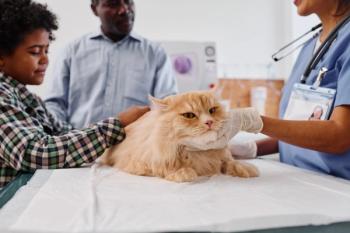
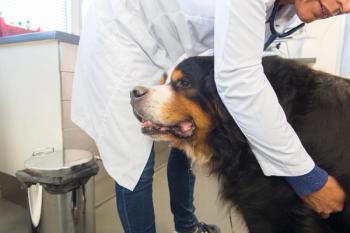
Recruiting healthy donors starts with clear selection criteria. Dogs should be healthy, have appropriate body weight and temperament, be current on preventive care, and undergo routine health screening, including full screening for tick-borne diseases and heartworm. Cats require additional consideration, including infectious disease screening, careful patient selection, and an echocardiogram, as feline blood donors require heavy sedation. Donor safety should always come first. Every donation should include a physical examination, appropriate laboratory screening, and careful monitoring before, during, and after collection.
Although recruiting donors is important, retaining them is what creates a sustainable program. Pet owners who volunteer their animals are making an extraordinary contribution, often helping families they will never meet. Make them feel like valued members of your hospital community.
Recognition does not have to be elaborate. Celebrate milestone donations, feature donors on social media (with owner permission), have a donor gallery on your hospital’s website, send birthday or thank-you cards, or provide small tokens of appreciation. Reach out to pet food companies and see if they will donate food or treats. More importantly, let owners know when their pet’s donation helped save another life. Simply hearing that their dog or cat made a difference is often the greatest reward they could receive.
Maintain regular communication with donor families and schedule donations proactively rather than waiting until your inventory is critically low. A broad, engaged donor pool prevents overusing a handful of “super donors” and helps ensure blood is available when emergencies arise.
The strongest donor programs run on relationships, not incentives. When owners feel appreciated and understand the impact their pet is making, they return again and again. Over time, those dedicated donors become the foundation of a blood bank that can truly save lives.
Recruiting donors is easy. Keeping them is the real challenge.
Nothing recruits donors better than a grateful owner telling another family what a rewarding experience it was. Invest in your donor families, celebrate their generosity, and they will become your greatest ambassadors.
Once your blood bank is established, success depends on consistency. Blood products are unlike any other inventory in your hospital. They have a limited shelf life, require meticulous handling, and represent the generous gift of a donor who helped make lifesaving care possible.
Organization is essential. Blood products should be stored in a dedicated blood refrigerator or freezer with continuous temperature monitoring and a contingency plan for equipment failure or power outages. Inventory should be checked routinely to ensure products are properly labeled, stored under appropriate conditions, and used before expiration. Simple daily habits can prevent costly mistakes and unnecessary waste.
As your program grows, component therapy allows you to maximize every donation. Separating whole blood into packed red blood cells and plasma means 1 donor can help multiple patients with different clinical needs. Just as importantly, regularly reviewing your hospital’s transfusion patterns will help determine which products are used most frequently, allowing you to schedule donations based on demand rather than guesswork.
Good documentation is equally important. Every unit should be traceable from donor to recipient, with accurate records of donor screening, collection, storage, expiration, and transfusion. Tracking product usage and expiration rates not only supports quality assurance but also helps guide future inventory decisions.
Finally, remember that a successful blood bank is a team effort. Train technicians, veterinarians, and support staff on your blood bank protocols so everyone understands their role in maintaining product quality and patient safety. When the entire team takes ownership of the program, the blood bank becomes an integral part of patient care rather than the responsibility of 1 individual.
A well-run blood bank is not measured by how many units are on the shelf. It is measured by how reliably it provides the right product, for the right patient, at the right time.
Your blood bank should never depend on a single person.
Every hospital has a “blood bank champion,” but successful programs rely on systems, not individuals. Clear protocols, organized records, and cross-trained staff ensure the blood bank continues to function smoothly—even when your expert is on vacation or unavailable.
A successful blood bank does not stop growing once the refrigerator is stocked. The strongest programs continue to evolve by strengthening donor relationships, refining inventory management, and building partnerships within their veterinary community.
Take time to review your blood bank regularly. Which products are used most often? Are units expiring before they are needed? Are there times of year when donations decrease or demand increases? These trends can help you adjust donor schedules and maintain an inventory that reflects your hospital’s actual needs rather than simply filling the refrigerator.
Do not underestimate the value of teamwork. Encourage everyone in the hospital to become an advocate for your donor program. Receptionists can answer questions from interested owners, technicians can identify potential donor candidates during appointments, and veterinarians can educate clients about the importance of blood donation. The more your team believes in the program, the easier it becomes to recruit donors and maintain long-term relationships with their families.
Strong relationships should not end at your hospital’s doors. Maintaining open communication with neighboring veterinary practices and emergency hospitals creates a network of support during shortages or unexpected emergencies. Although your own patients should always come first, collaboration within the veterinary community benefits everyone, especially the patients whose lives depend on timely access to blood products.
Most days, your blood bank may seem quiet. Then one evening, several critically ill patients arrive within hours of one another, and suddenly every unit on your shelf matters. Whether it is multiple emergency surgeries, a regional shortage, or an unexpected power outage, these are the moments your team has been preparing for all along.
The best blood banks are not built for ordinary days—they are built for extraordinary ones.
As veterinary professionals, we spend our careers preparing for emergencies we hope never happen. Building an in-house blood bank is no different. Every donor recruited, every unit carefully labeled, every temperature logged, and every protocol followed contributes to a single goal: ensuring lifesaving blood is available when a patient needs it most.
The best blood bank is the one that is ready when it matters most— not the one with the most blood on the shelf.
When the fur truly hits the fan, your blood bank will not simply be a refrigerator filled with blood products. It will be the result of thoughtful planning, dedicated donors, and a team committed to giving every patient the best possible chance of survival.
And for one family facing the worst day of their pet’s life, that preparation may make all the difference.
Building a successful blood bank is not about collecting as many units as possible. It is about creating a sustainable program with committed donors, organized inventory, and a team that understands the value of preparation. The time you invest today will pay dividends the next time a critically ill patient needs blood without a moment to spare.
4 days ago
Combating corporate crawl12 days ago
Staying calm under pressure15 days ago
Flex Forecast: September/October 202618 days ago
Q24H: How to use your time with purpose