


Conference Coverage
Trending on dvm360
1
Researchers develop a neurological exam tailored to harbor seal pups
2
Paws and profits: Elanco names new chief people officer, AHI welcomes government affairs VP, and more updates
3
Fecal PCR panel flagged twice as many parasite-positive samples as antigen testing and flotation combined
4
New York City begins offering free pet food at city-funded food pantries
5
Incidental proprioceptive deficits common in aging dogs, study finds
Latest News









Advertisement
Shorts
3:35
From the New York Vet Show exhibit hall: 3 products addressing veterinary care needs
4 days ago
by
Abi Bautista-Alejandre, Assistant Editor
0:55
Canine obesity is a reversible disease
6 days ago
by
Steve Mehler, DVM, DACVS(+2 more)

23:23
Spicy, spiteful, or scared? Rethinking how we talk about cats
10 days ago
by
Tabitha Kucera, RVT, VTS (Behavior), CCBC, KPA-CTP, FFCP(+1 more)
1:05
What findings should prompt emergency escalation in the ER?
11 days ago
by
Abi Bautista-Alejandre, Assistant Editor
6:40
From emergency to industry: Saying yes, hearing no, and finding your fit
11 days ago
by
Callie Harris, DVM(+1 more)

10:21
The FURensic Files - Don't fear the smear
11 days ago
by
Justin Louis, Content Producer
4:43
From opera to otitis: One dermatologist’s winding road
11 days ago
by
Julia E. Miller, DVM, DACVD(+1 more)
16:43
Behavior, boundaries, and drawing a bigger circle
12 days ago
by
Christopher Pachel, DVM, DACVB, CABC(+1 more)
1:22
5 wound management tips every veterinary team should know
13 days ago
by
Danny Sack, DVM(+2 more)
0:28
Helping families achieve feline diabetes success
13 days ago
by
Kelly Cairns, DVM, MS, DACVIM (SAIM)(+1 more)










dvm360 Digital Edition
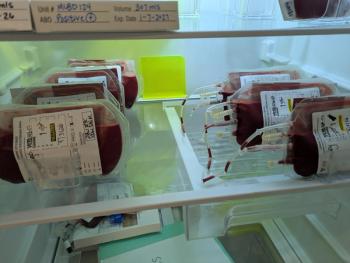
Starting your blood bank by building the foundation first
Big business has tilted the balance in the American veterinary industry, as resources and economies of scale turn corporate chains into powerful foes for hospitals set on remaining independent.

Scripts for confident client conversations

Pyometra is a common and serious illness in adult intact dogs and cats. Because a patient experiencing pyometra may deteriorate rapidly, this condition requires emergency intervention.
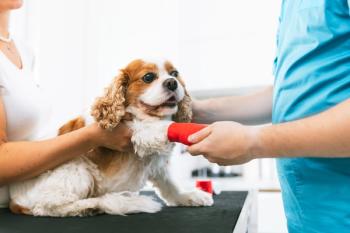
A technician’s approach to veterinary trauma

Continuing Education on-demand anytime, anywhere, plus some upcoming live opportunities.
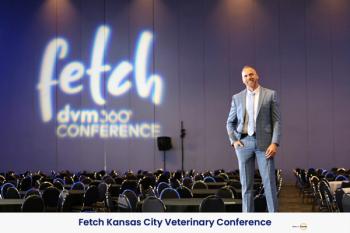
We all get the same 24 hours, whether you are a new graduate drowning in student debt, a technician working a double, or Ariana Grande on tour.

SNAP-P is a proposed high-impact program that would provide at least $4.4 billion in benefits to low-income pet owners at marginal cost to federal and state governments.
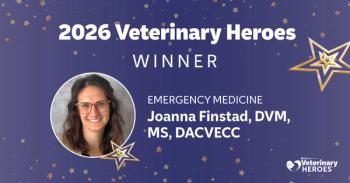
Joanna Finstad, DVM, MS, DACVECC, is dvm360's 2026 Veterinary Hero Emergency Medicine award recipient.
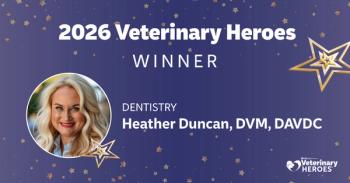
Heather Duncan, DVM, DAVDC, is dvm360's 2026 Veterinary Hero Dentistry Award recipient.
Continuing Education






















Advertisement
All News
Advertisement

A Cornell University study found that 1 in 4 dogs presenting for non-neurologic reasons had postural reaction deficits, with prevalence climbing as dogs aged.

A study of more than 1,000 stool samples from dogs and cats found the PCR panel's edge varied by parasite.

Company representatives spoke with dvm360 about a once-weekly treatment for cats with subclinical heart disease, a compact activated carbon product designed to reduce the mess of toxin treatment, and an endoscopy system built for procedures in the field.

In a new national survey, most pet owners reported holding steady or increasing what they spend on their pets. Only 7% of consumers said they would trim pet health spending if money got tight.

The detection, found through routine milk testing, brings the number of states with infected dairy herds to 21 and follows Washington's first cases in October.

A diplomate of the American College of Veterinary Preventive Medicine shares how board certification bridged the gap between epidemiology theory and real-world practice.
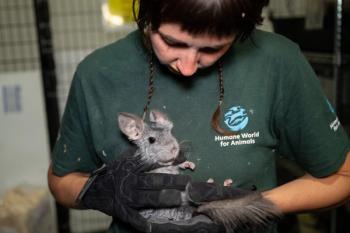
Federal officials say about 800 of the animals were kept in a building hidden from inspectors for years. Veterinary exams after the rescue revealed a range of ailments.

A look at 29 years of federal price data—and what it means for the conversation you have at checkout.

Monica Tarantino, DVM, MBA, and Lisa Lippman, DVM, explain when the senior transition begins and why joint and mobility health should be protected before signs of arthritis appear.
When veterinary professionals face uncertainty, they may fill in missing information with assumptions that increase stress and affect their relationships. Cohosts Jennifer Edwards, DVM, PCC, CPC, ELI-MP, and Aaron Shaw, OTR/L, CHT, CSCS, discuss how to recognize these thought patterns and challenge the interpretations behind them.
Advertisement

Police say Prashant Pandya, 45, never held a Tennessee veterinary license but presented himself as a DVM at an East Nashville clinic where pet owners reported problems following procedures.

The donor-funded facility, set to open in fall 2027, is going up alongside a $50 million expansion of the veterinary college’s 1970s-era teaching hospitals.

An update on the work of Vets for Compassion, plus a look at a new wildlife hospital for Western Australia’s south-west region.
A Washington State University study offers what researchers call the first clinical evidence that refrigerated canine platelets stored for up to 3 weeks can help control or prevent hemorrhage.
Fluralaner is the latest flea and tick product authorized for emergency use against New World screwworm, giving veterinarians another prescription option for infested dogs and puppies.

The first major rewrite since 2015 sorts therapies by mechanism of action, splits care into reactive and proactive phases, and adds guidance on 2 newer Janus kinase (JAK) inhibitors.

New One Health guidelines from the American Animal Hospital Association cover parasites that are spreading, resurfacing, or getting harder to treat. They also cover how to use parasite medications wisely and how to talk with clients about risk.

Merck Animal Health launches nonadjuvanted rabies vaccines for dogs and cats as human exposures rise
Nobivac NXT Rabies, available in 1-year and 3-year formulations, arrives weeks after the CDC warned of a nationwide increase in reported human rabies exposures.

Adapted from a human eczema survey, the 0-to-30 scale proved consistent and responsive to change, though it fell short on ear disease.

What lenders evaluate, which funding structures fit, and how much working capital to build in may help make the early years of practice ownership more manageable.
In honor of Feline Diabetes Awareness Month, Kelly Cairns, DVM, MS, DACVIM (SAIM), explains what the new AAHA guidelines mean for diabetic cats, from spotting early clinical signs to weighing treatment options and building a long-term plan with clients.
In past cases, the FDA has cited testing that matched the E coli strain that sickened a hospitalized child to unopened Darwin’s dog food and linked the company’s food to a kitten’s death from Salmonella infection. The cases are part of a yearslong record of recalls, illness reports, and disputes over how the agency regulates raw pet food.

Which article topped the list in 2026? Find out as we reveal Nos. 5 through 1 in our countdown of dvm360’s most-read stories.
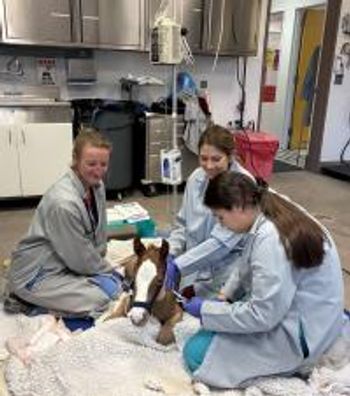
Born 3 weeks early, Banks needed plasma, oxygen, and round-the-clock monitoring before returning home to train for barrel racing.

In a New York Vet Show session, Sergio Serrano, LV, DVM, DACVECC, discussed how patient history, physical examination, point-of-care ultrasound, and radiographs can help clinicians distinguish congestive heart failure from other causes of respiratory distress.
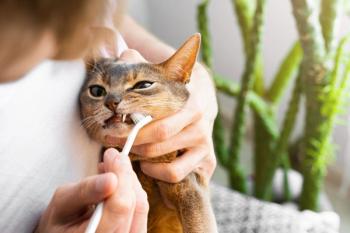
At the 2026 NY Vet Show, Kristin I. Scott, DVM, DAVDC, outlined the evidence behind toothbrushing and dental chews and how technicians can help clients stick with daily care.

A USDA-funded project will use samples from the outbreak in Honduras to track how New World screwworm spreads and whether it could become resistant to the drugs used to control it.

Thursday afternoon and Friday sessions at the Javits Center, NY, also cover antimicrobial resistance, technician training pathways, and pet food misinformation

Taking part in clinical research can strengthen client loyalty, energize your team, and add revenue. Here’s how to find the right level of involvement for your practice.

In a small study of healthy beagles, halved extended-release levetiracetam tablets performed much like whole tablets. Crushed tablets peaked higher and dropped below a target drug level sooner.

A voluntary, risk-based tiered approach could trim about 2 years from the human food safety residue evaluation for new animal drugs, according to the agency.
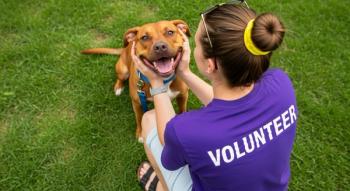
A randomized trial of 168 shelter dogs found that a shorter, 2-injection heartworm treatment was safe and effective. Every dog survived treatment, and most tested negative afterward.
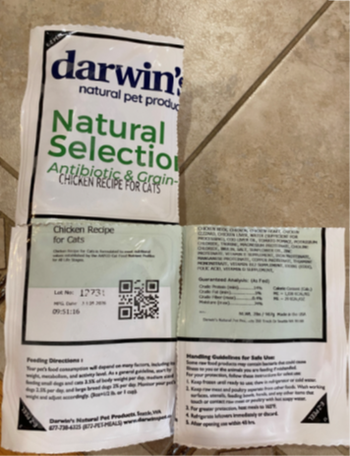
The agency says the manufacturer, Arrow Reliance, has not adequately recalled the frozen food, which carries no expiration date and may still be in owners’ freezers.
Advertisement
Advertisement