










In this Q&A, Brennen McKenzie, VMD, MSc, MA, of Loyal, explains what the science of canine aging means for preventive care today and what emerging therapies may offer tomorrow.
In this Q&A, Brennen McKenzie, VMD, MSc, MA, of Loyal, explains what the science of canine aging means for preventive care today and what emerging therapies may offer tomorrow.

This episode explores the clinical application of positive reinforcement, critical role of timing, and how to effectively bridge the gap between behavior and reward using both food and non-food reinforcers.

A research study shows that bezafibrate safely reduces canine hypertriglyceridemia by approximately 85%, even in the presence of endocrine disease.

Tiffany Tupler, DVM, CBCC-KA, HAB, on why treating feline behavioral conditions demands the same diagnostic rigor as any other medical diagnosis—and more.

A puppy was brought to DoveLewis Veterinary Emergency & Specialty Hospital in Oregon after ingesting a toxic dose of carprofen.

FDA flags Quest Cat Food lots with near-zero thiamine (vitamin B1), urging vets and owners to act fast to prevent dangerous deficiency.

California pet owners may claim up to $150 as part of a settlement with Nutramax Laboratories over joint health advertising claims made for Cosequin, with product label changes pending final court approval.
Most clients can't read their cats. Tiffany Tupler, DVM, CBCC-KA, HABc, explains why this is a clinical problem and makes the case for using clinic visits to train clients in feline communication.
Steven Marks, BVSc, MS, MRCVS, DACVIM, dean of the Harvey S. Peeler Jr. College of Veterinary Medicine, discusses the impact of the inaugural class on Clemson University and South Carolina in a dvm360 interview.

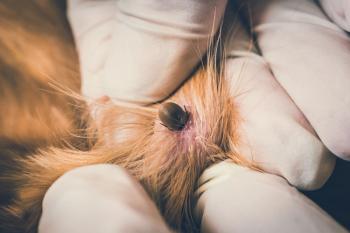
CAPC’s 2026 forecast shows Lyme disease, heartworm, ehrlichiosis and anaplasmosis nationwide, signaling the need for year-round prevention and treatment.

New leadership moves, recognition, and achievement.

Here is a sneak peek at this week’s headlines.

When a pet owner places a part of their body in front of their animal during an exam, they risk injury. And you risk liability for allowing them to plant themselves within reach of teeth or claws.

Global veterinary leaders unite in a Prevention Pledge urging year-round parasite control as fleas, ticks, and worms spread, raising emerging disease risks for pets and people.
Tiffany Tupler, DVM, CBCC-KA, HAB, explains how breed-related traits shape feline behavior, even when physical limitations affect a cat’s ability to act on natural instincts

Here are this week’s headlines

Katherine Quesenberry, DVM, MPH, DABVP (Avian), discusses when general practitioners might turn to an expert in avian, reptile and other exotic animals for patient care, in a dvm360 interview.

Learn why veterinarians cannot issue emotional support animal (ESA) letters under Fair Housing Act rules, what the US Department of Housing and Urban Development requires, and how practitioners can respond to client requests without risking their license.

Learn more about group purchasing organizations, including their benefits and misconceptions, in this episode of Vet Watch
Officials with the FDA are aiming to help drug developers validate new approach methodologies.

Global survey finds many pets get parasites, yet owners want clearer prevention advice; vets urge year‑round flea, tick and heartworm protection.
Tiffany Tupler, DVM, CBCC-KA, HABc, explains why this seemingly problematic behavior is actually normal for cats—and how clear communication can help pet owners understand and manage it.

This episode of the Vet Blast Podcast, presented by dvm360, educates listeners about the progression of myxomatous mitral valve disease through the case of Vinnie, a 7-year-old Chihuahua.

Fluralaner for extended-release injectable suspension (Bravecto Quantum; Merck Animal Health) is indicated for treating flea and tick infestations in dogs.

The latest updates relating to animal care establishments and platforms.

Six individuals were surprised with full scholarships during a special event for accepted students at the new Harvey S. Peeler Jr. College of Veterinary Medicine.
How veterinary professionals fuel themselves may directly affect focus, decision-making, communication, and overall team performance in the clinic.

Katherine Quesenberry, DVM, MPH, DABVP (Avian), discusses which animals have grown in popularity during her career and which have become less common, in a dvm360 interview.
