Accidental ingestion, not a drug defect, is behind the increase in calls, according to Pet Poison Helpline.
A puppy was brought to DoveLewis Veterinary Emergency & Specialty Hospital in Oregon after ingesting a toxic dose of carprofen.
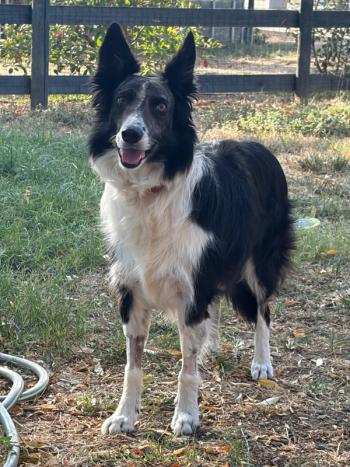
A therapeutic plasma exchange (TPE) recently saved the life of a puppy that overdosed on a non-steroidal anti-inflammatory drug (NSAID). The 6-month-old patient, Indy, had ingested a high dose carprofen that had been delivered to her family’s home.1
NSAIDs, including carprofen, are among the most common toxins accidentally ingested by dogs.2,3 Acute toxic levels of exposure can be life-threatening to companion animals. “NSAIDs can cause gastrointestinal disturbances such as vomiting, diarrhea, and gastrointestinal ulceration; renal disease like acute kidney injury; and central nervous system toxicosis,” Amanda Spillane, MS, BVSc (Hons), DACVECC, wrote in a 2025
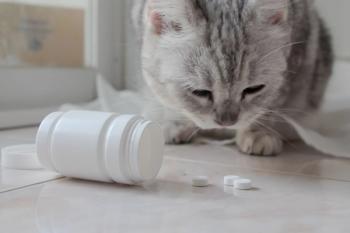
According to DoveLewis Veterinary Emergency & Specialty Hospital in Portland, Oregon, where Indy was ultimately treated, Indy chewed through the packaging and ingested about 60 carprofen tablets (approximately 4500 mg, before the pet’s owners discovered what had happened while they were out. The puppy’s primary veterinarian saw her first and quickly induced vomiting.1
The primary veterinary team was unable to ascertain how much of the drug had been absorbed since Indy had eaten before the family found the chewed medication bottle. Although baseline bloodwork showed mild elevations in liver enzymes (ALT 197 U/L, ALP 149 U/L) with normal kidney function (BUN 25 mg/dL, creatinine 0.9 mg/dL), Indy was referred to DoveLewis for advanced care because the carprofen dose ingested was well above known toxicity thresholds.1
The DoveLewis critical care team initiated the TPE, which is an extracorporeal blood purification therapy for removing circulating toxins. The procedure separated and discarded Indy’s plasma and replaced it with donor plasma and fluids as cellular blood components were returned to her body, according to DoveLewis. Indy’s vital signs, electrolytes and fluid balance were the closely monitored throughout the procedure with the goal of protecting the patient’s organs as the carprofen levels were rapidly reduced.1
DoveLewis operates its own blood bank that also supplies stock to other clinics. Relying on a team of volunteer dogs and cats, it generates enough blood product for more than 700 transfusions each year.4
“Every blood donation is vital, but in emergencies…it’s the difference between life and death,” Kelsey Reinauer, CVT, director of DoveLewis’ blood bank, said in a news release.5 “We call our blood donors ‘superheroes’ because their willingness to help makes lifesaving differences for so many animals.”
DoveLewis recruits dogs from veterinary professional households for blood donation. Donors must be aged between 1 year and 6 years, and weighing at least 55 lbs. They also must also be current with their vaccinations and using heartworm control.4
Although a patient’s overall health, weight, blood type, vaccination history, and temperament are other factors for which eligibility is generally determined by blood banks,
In Indy’s case, intensive supportive care followed TPE. This care included administration of intravenous fluids, gastroprotective therapy of pantoprazole, omeprazole and sucralfate; maropitant, an antiemetic drug; Denamarin supplement (Covetrus) for liver support, and sedation/anxiolysis (dexmedetomidine, trazodone, gabapentin) drugs to ensure comfort.While receiving pharmaceutical therapies, Indy’s bloodwork revealed a brief acute kidney injury, with creatinine peaking at 1.5 mg/dL and BUN at 32 mg/dL within 24 hours of admission, although her liver enzymes remained stable.1
After discharge, follow-up bloodwork confirmed her kidney function had improved (creatinine 0.8 mg/dL, BUN 21 mg/dL) and hepatic values remained stable. Recheck visits with her primary veterinarian led to determination of Indy’s full recovery from the overdose with no residual effects.1
“Indy’s recovery is a powerful reminder of what advanced therapies like therapeutic plasma exchange can accomplish,” Sarah Tauber, DVM, emergency veterinarian for DoveLewis, said in a news release.1 “Being able to offer TPE, combined with attentive monitoring and supportive care, gives patients facing severe overdoses a real chance at a full recovery. We’re thrilled Indy came through so well.”
Despite the severity of her overdose, Indy remained bright, alert, and consistently eating during treatment. She is currently thriving, according to DoveLewis.1
References