














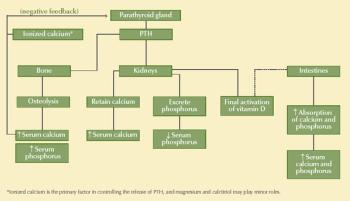
Primary hypoparathyroidism is most commonly caused by the destruction or removal of the parathyroid glands.

Primary hypoparathyroidism is most commonly caused by the destruction or removal of the parathyroid glands.
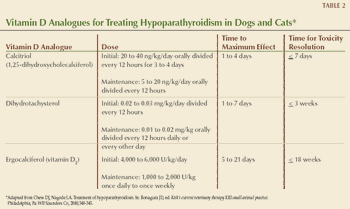
In this article, we review the differential diagnoses in patients with hypocalcemia, the diagnostic testing to investigate clinical signs consistent with hypocalcemia, and the treatment of primary hypoparathyroidism.
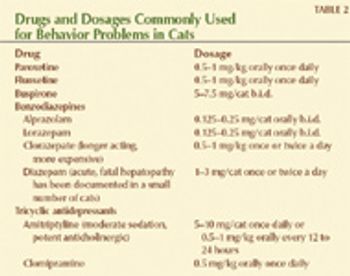
To help aggressive cats and the families that own them, veterinarians must rule out medical problems, take a complete history, make a sound diagnosis, and provide sensible advice.

Contrary to popular belief, cats are not asocial creatures.
Could you review trends in feline urolithiasis in cats?
Just like this doctor, you may find the letters, photos, and mementos you receive from clients provide a critical pick-me-up when the tough days seem to outweigh the joys of practice.
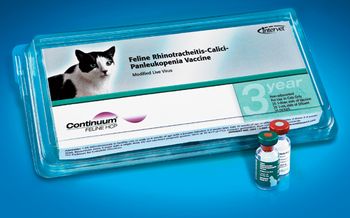
MILLSBORO, DEL. - Intervet Inc. announces the introduction of Continuum? Feline HCP vaccine with a three-year duration of immunity against rhinotracheitis caused by herpesvirus-1 (FHV-1), calicivirus (FCV) and panleukopenia (FPV).
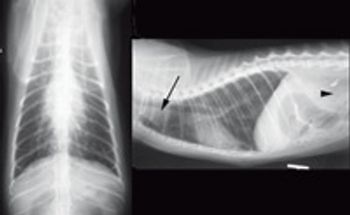
A 7-year-old 11-lb (5-kg) neutered male domestic longhaired cat was presented to its regular veterinarian for vaccinations and a wellness examination.
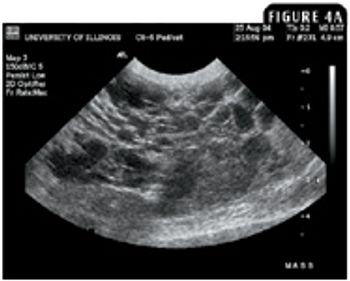
Metastatic, disseminated, and locally infiltrative cancers, including metastatic carcinoma, melanoma, lymphoma, hemangiosarcoma, and histiocytic sarcoma, can often affect the hepatic parenchyma.
In recent months, several rapid-fire and unfortunate developments have occurred in the avian influenza situation.
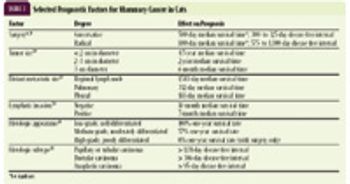
Mammary tumors are the third most common feline cancer, 1-3 accounting for 10.3% to 12% of all diagnosed tumors.
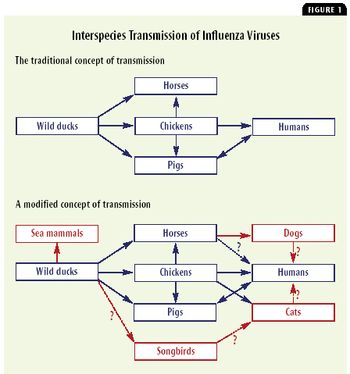
Historically, cats have been considered to be resistant to influenza virus infections.

In this retrospective study from a veterinary clinic in Regina, Saskatchewan, 17 cases of feline cranial cruciate ligament injury treated between 1997 and 2004 are described.
Las Vegas - A comprehensive feline vaccination report from the American Association of Feline Practitioners (AAFP) is in the drafting stage from a multidisciplinary panel of experts.
I always try to have dry kibble immediately available when examining a pet to reward its good behavior and, perhaps, to teach the animal a new behavior while the owner and I are talking.
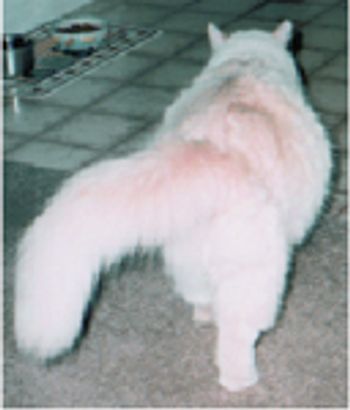
A 10-year-old 8.6-lb (3.9-kg) spayed female domestic medium-haired cat had been evaluated by the referring veterinarian because of lethargy, right pelvic limb lameness, lumbar discomfort, reluctance to jump, and tail weakness.
Cats are living longer because of a greater focus on routine healthcare for pets. As their veterinarians, we are challenged with the task of helping these cats live long, high-quality lives. The American Association of Feline Practitioners and the Academy of Feline Medicine (AAFP/AFM) Panel Report on Feline Senior Care1 provides a consensus on important goals and recommendations to help you care for senior cats. This article highlights many of the principal points in that report in conjunction with my clinical experience.
Common infectious causes of diarrhea in kittens include viruses, bacteria, protozoa, helminths, and fungi.
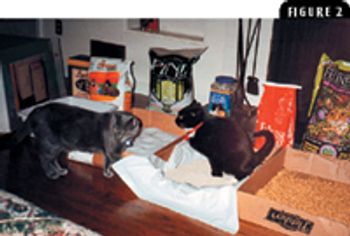
Cat owners can have a lot of questions: "Should I get a second cat as a playmate?" "How can I stop my cat from scratching the furniture?" "Why doesn't he use the litter box?" So in the spirit of David Letterman, I compiled this top 10 list of cat behavior tips.

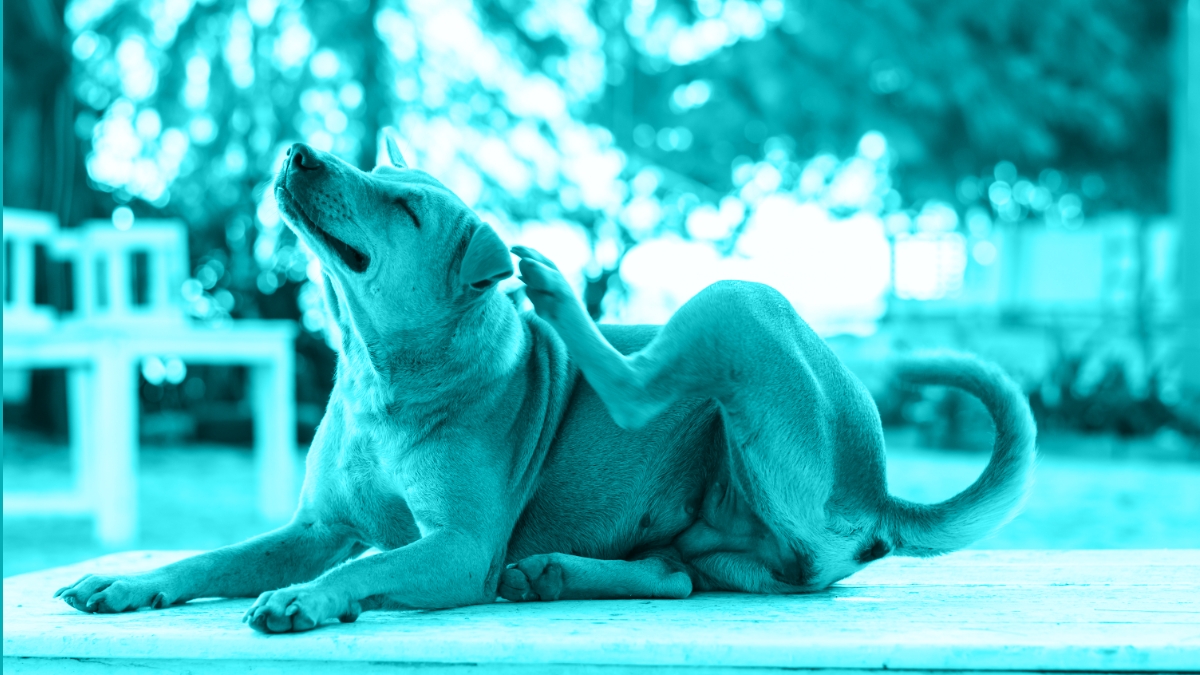
Many conditions can cause pruritus in dogs and cats, the most common being allergies (atopy, food, flea) and external parasites (e.g. Sarcoptes scabiei, Cheyletiella species).

In this retrospective study from the Animal Medical Center in New York City, the medical records of 18 cats with feline cutaneous hemangiosarcoma were reviewed, and the cats' clinical features and responses to surgery were described.
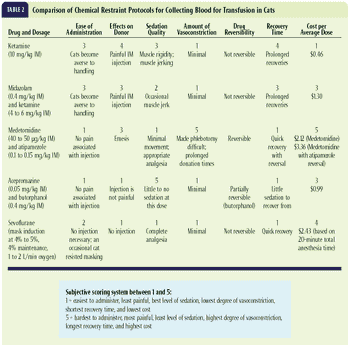
From 1998 to 2003, we evaluated several chemical restraint protocols for blood donor cats to improve the quality and efficiency of the blood bank, as well as the donors' quality of life.
Because cats are relatively quiet creatures, that is, they don't bark, whine, and announce themselves, their analgesic needs are often ignored or forgotten. Evaluating pain in cats is challenging and requires intense and prolonged observation, intuition, interaction with the animal, and knowledge of the various feline behaviors that may signal pain.
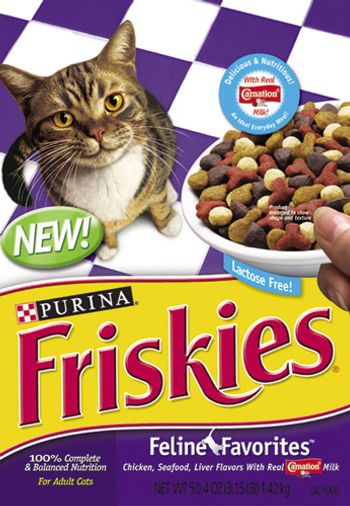
St. Joseph, Mo. — Nestle introduces Friskies Feline Favorites, a dry cat food that contains Carnation milk.
WASHINGTON, D.C. - 6/7/05 - The Hartz Mountain Corp. says removing the company's topical flea and tick medication for cats is necessary due to owner reports of adverse reactions to the products.