Studies show 15% to 35% of cats in the US are overweight or obese. Learn what you need to do at your veterinary practice in order to take control of weight management in your feline patients.
Deb Zoran, DVM, PhD, DACVIM (SAIM) is a founding member and the second Director of the Texas A&M Veterinary Emergency Team (VET). Her DVM was awarded in 1984 from Kansas State University, she entered private practice in AZ for 3 yr, then entered into a SA internal medicine residency at Iowa State University, followed by a PhD in nutrition from Texas A&M. She accepted a position in SA Internal Medicine at Texas A&M, where she rose to Professor and taught small animal medicine and nutrition for 20 years. She was one of the inaugural members of the College-wise disaster preparedness committee formed after Hurricane Katrina. The VET was formed in 2009 and since that time she has been on over 31 deployments to multiple types of disasters in Texas and beyond, including wildfires in California and hurricanes in Louisiana and Florida. She helped develop and has been a lead instructor for the required clinical rotation in Veterinary Emergency Management to 4th year veterinary students (the only such rotation in the US). She is also a member of Texas A&M Task Force as veterinary support for the working canines and serves on the FEMA Incident Support Team as a Veterinary Specialist in support of working canines deployed to national disasters.
Studies show 15% to 35% of cats in the US are overweight or obese. Learn what you need to do at your veterinary practice in order to take control of weight management in your feline patients.
Obesity is a growing problem in cats worldwide, but, in Western societies, the incidence of excess weight and obesity in cats is reaching truly worrisome numbers.
Cats are obligate carnivores. This statement is news to no one, and yet we often dont recognize the importance of that statement or feed them accordingly.
Diarrhea is one of the most common concerns of owners with young kittens or teen-aged cats. Often times, diarrhea in kittens can be attributed to dietary changes, parasites or infectious diseases, and these should be the initial focus of any investigation in these young cats.
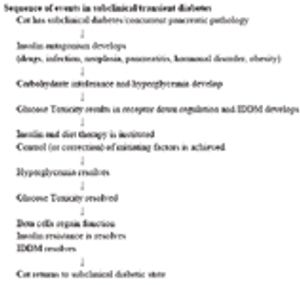
Like the disease in humans, diabetes in cats is a multi-factorial process combining genetic factors with environmental ones. However, there are two factors that likely have a crucial role in determining whether or not diabetes develops, and if diabetes does occur, whether or not it is insulin dependent.
Lower urinary tract diseases of cats are a common, and sometimes frustrating, group of clinical problems that practitioners must deal with.
Feline pancreatitis is a very difficult disease to definitively diagnose (especially chronic cases or in cats that do not have persistent signs) and treatment remains symptomatic and supportive.
Feline inflammatory bowel disease (IBD) is the term applied to a collection of feline enteropathies that are characterized by the infiltration of the gastrointestinal mucosa by inflammatory cells.
The mammalian intestinal tract contains a complex, dynamic, and diverse society of pathogenic and nonpathogenic bacteria.
Vomiting is a common and frequently complex problem in cats. Adult cats often have different and more chronic causes of vomiting than kittens, but the condition remains a common reason for cats to be presented to veterinarians for care.

This paper reviews what is known about feline inflammatory bowel disease, with particular focus on the role of commensal and pathogenic intestinal bacteria as well as diet in the management of the disease.
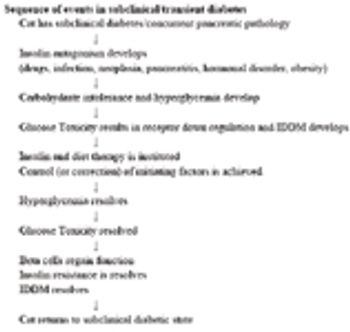
Like the disease in humans, diabetes in cats is a multi-factorial process combining genetic factors with environmental ones.
Diarrhea is one of the most common presenting complaints in feline medicine.
The gastrointestinal tract acquires and digests food, absorbs nutrients and water, and expels unabsorbed material in the form of feces.
Feline pancreatitis is a very difficult disease to definitively diagnose antemortem, and treatment remains symptomatic and supportive.
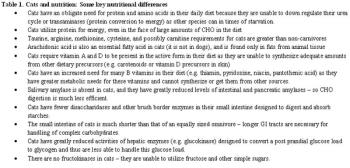
Cats are obligate carnivores. This statement is news to no one, and yet we often don't recognize the importance of that statement or feed them accordingly.
Lower urinary tract diseases of cats are a common, and sometimes frustrating, group of clinical problems that practitioners must deal with.
Vomiting is a common and frequently complex problem in cats.
This overview will introduce the history of probiotics, their safety and regulatory background, provide information on their mechanisms of action, and introduce possible ways probiotics may be used to treat clinical diseases.
Common infectious causes of diarrhea in kittens include viruses, bacteria, protozoa, helminths, and fungi.
August 1st 2009

August 1st 2009