













The thyroid gland is located in throat latch region below the larynx, the gland is bilobed, connected by a narrow isthmus.
The thyroid gland is located in throat latch region below the larynx, the gland is bilobed, connected by a narrow isthmus.
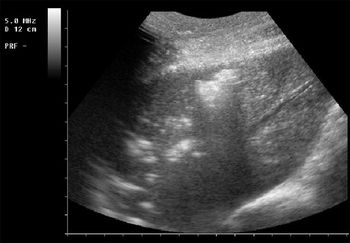
Lower respiratory disease is a common problem in foals under 8 months of age.

This lecture will focus on common diseases of older horses including dental disease/weight loss (and other complications of poor dentition), recurrent airway obstruction, lameness and common neoplasms of older horses.
Overview of equine rabies, equine herpes virus-1, and parasitic infection of the CNS
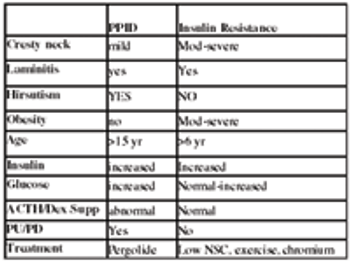
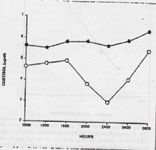
This disease probably better described as PPID, as Cushing's disease in humans and dogs are not identical to the disease in horses.
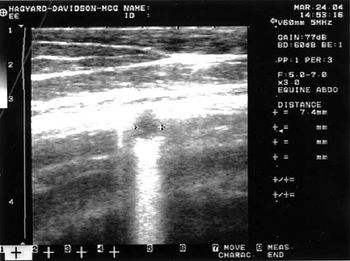
Shadow is a 7 yr, American Saddlebred Gelding.
College Station, Texas- 3/31/08 - The Texas A&M University Board of Regents has approved the College of Veterinary Medicine & Biomedical Sciences to begin construction on a veterinary imaging and cancer treatment center.
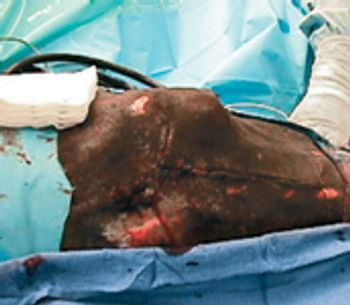
A chief concern with any trauma that causes frontal or poll injury is possible damage to the central nervous system.
It was described in veterinary literature as far back as 1251, more than 750 years ago, yet it remains one of the most commonly diagnosed infectious diseases in horses worldwide.
Outbreaks of equine viral arteritis (EVA) are infrequent in the United States but, because a large percentage of the equine population is susceptible, several leading experts continue to push for improved awareness and protective measures.
This is the third in a series of articles on toxic plants that are likely to poison horses in North America. This installment covers myotoxic plants, those that damage muscle and the cardiovascular system.
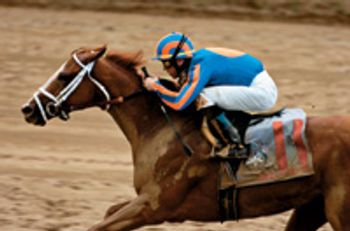
On June 9, 2007, Rags to Riches nosed out Preakness winner Curlin in a courageous duel down the stretch to become the first filly in 102 years to win the Belmont Stakes, and only the third filly to do so in its 139-year history.
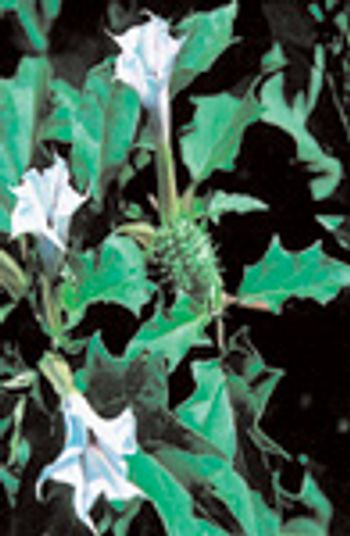
This is the second in a series of articles introducing the toxic plants most likely to poison horses in North America.
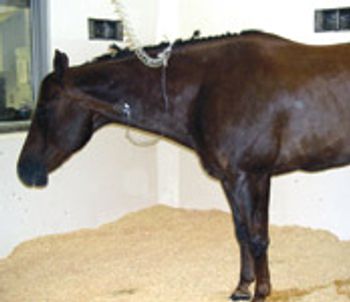
"Anatomically and physiologically, horses have all the structures required for pain processing," says Glenn Pettifer, DVM, DACVA, at the Veterinary Emergency Clinic, Toronto, Ontario, Canada.
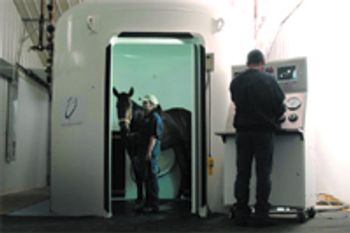
Because HBOT drives the arterial oxygen content very high, it reduces swelling.

It is early morning on the average American horse show grounds. The mist is just beginning to clear and the horses, trainers, riders and associated show personnel are only now beginning to rise. But some grooms and horses have been at it for a while already. They are in the warm-up ring or on a nearby field, and they have been lunging around since first light.
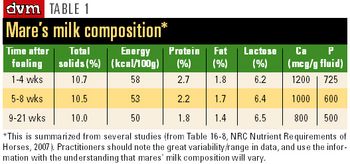
Hot weather requires an increase in water intake ... to compensate for sweat and respiratory losses.
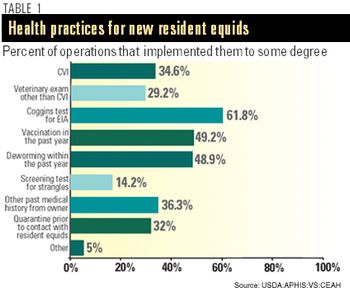
There are no signs this Spring of widespread high populations of eastern tent caterpillar (ETC) – the insect linked to Mare Reproductive Loss Syndrome (MRLS) – but horse farms still should take precautionary measures, says Lee Townsend, PhD, entomologist at the University of Kentucky College of Agriculture.
The computer program helps determine nutrient requirements and formulate rations for various classes needed.
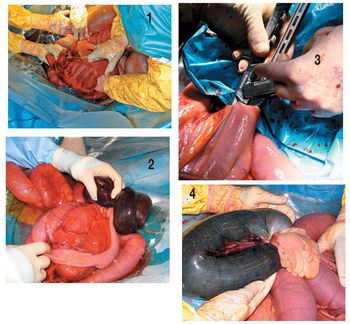
Equine colic is "responsible for more deaths in horses than any disease group except old age." That's how Nathaniel A. White, DVM, MS, Dipl. ACVS, described the insidious nature of the condition in a 2005 presentation to the American Association of Equine Practitioners in Quebec.
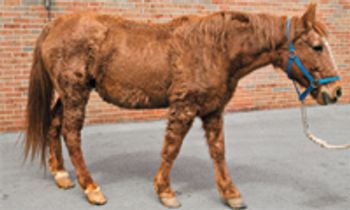
Excess cortisol may increase the risk of laminitis ...
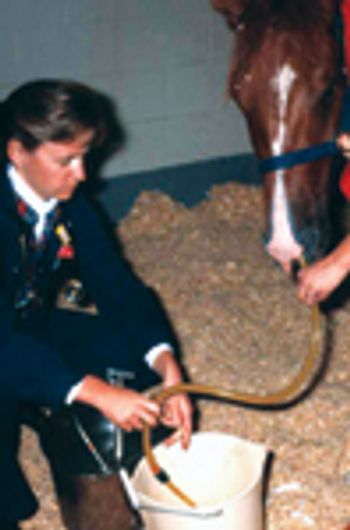
Rapid triage decisions and referral is a tremendous benefit to survival rates.
Lexington, Ky. - The American Association of Equine Practitioners is in preliminary discussions with the Humane Society of the United States to devise a better network of emergency responders for horses caught in harm's way.
Dentistry promo 2006
National Report ? An increase in the number and severity of equine herpesvirus Type-1-induced neurological disease outbreaks has forced the closure of racetracks, the quarantine of several barns in least four states this year and the humane destruction of several horses.