
















St. Louis, Mo. -- The Food and Drug Administration is reporting that Purina Mills has recalled specific lots of horse and poultry feed.
St. Louis, Mo. -- The Food and Drug Administration is reporting that Purina Mills has recalled specific lots of horse and poultry feed.
Oklahoma City, Okla. -- A bill allowing non-DVMs to float horses? teeth if they meet state certification requirements passed the Oklahoma Senate March 31.
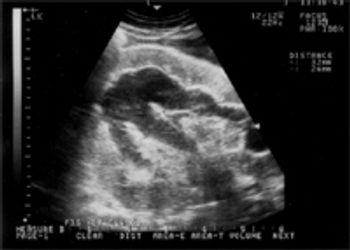
A 5-year-old Oldenburg gelding used for dressage, was presented for evaluation of mild bouts of recurrent colic, more frequent over the past month. The colic signs included flank watching and intermittent sternal recumbency and were either self-limiting or responsive to a single dose of Banamine.
Management of Equine Metabolic Syndrome (EMS), the most accepted term for a syndrome of middle-aged obesity accompanied insulin resistance (IR) and insidious-onset laminitis, can be challenging as it primarily involves client education and acceptance to comply with dietary recommendations to effect weight loss.
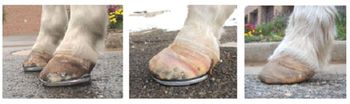
Management of pituitary pars intermedia dysfunction (PPID) in equids consists of improved husbandry, including adequate nutrition and limiting competition for feed, body-clipping, dentistry, and appropriate treatment of concurrent medical problems. In addition, specific treatment with the dopamine agonist pergolide can improve quality of life and reverse many clinical signs of the disease in PPID-affected equids.
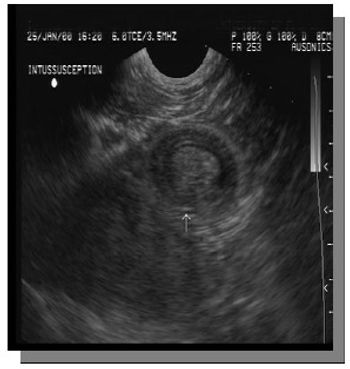
Abdominal pain in the foal can be a frustrating diagnostic challenge as the differential diagnosis are extensive. Abdominal pain can progress rapidly leading to septicemia or even death.
Although acute renal failure (ARF) remains a relatively uncommon problem in horses, it is a serious disorder that if not properly recognized and treated often has a poor outcome. Acute renal failure in the horse can develop as a complication of another disease process that causes hypovolemia (colic, colitis, hemorrhage, or exhaustion).
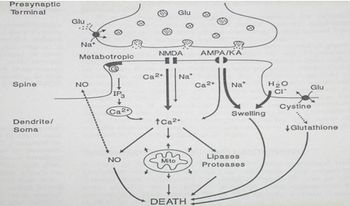
Perinatal Asphyxia Syndrome produces hypoxic ischemic encephalopathy (HIE) resulting in neurological deficits ranging from hypotonia to grand mal seizures. Foal's affected with perinatal asphyxia also experience gastrointestinal disturbances ranging from mild ileus and delayed gastric emptying to severe, bloody diarrhea and necrotizing enterocolitis (NEC).
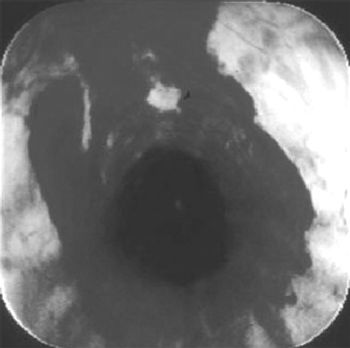
Hematuria can be a presenting complaint for a variety of disorders of the urinary tract. The problems causing hematuria can range from relatively minor disorders to more severe disease processes that may result in life-threatening hemorrhage.
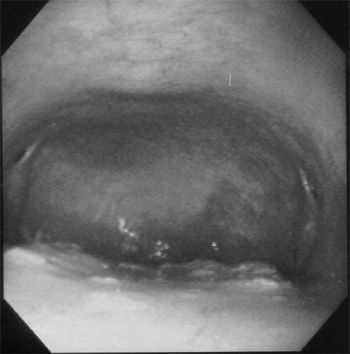
Urinary incontinence is a frustrating disorder in horses because establishing a definitive diagnosis for the cause, in the absence of other lower urinary tract or neurological signs, is difficult and substantial nursing care by the client is required to minimize urine scalding of the hind limbs.
Emerging intestinal disease of the in the horse, referred to as Eequine proliferative enteropathy.
Botulism is a neuromuscular disease characterized by flaccid paralysis that is caused by neurotoxins produced by strains of Clostridium botulinum. Horses are one of the most susceptible species, with both individual and group outbreaks reported.
Colic in horses may be an acute bout that either improves spontaneously or responds to medical or surgical intervention . Some horses suffer from chronic colic which pose a diagnostic delema for the medical clinician. In one study by Proudman (1991) only a small percentage (7%) require surgical intervention.
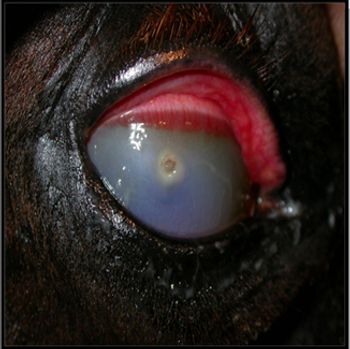
Scraping for cytology and cultures: The cultures should be done before any drops, (drugs contain bacteriostatic agents), topical anesthetics and the handle end of a scalpel blade to scrape, sterile dacron swabs for culture.
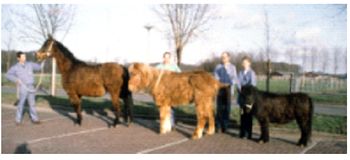
Although the frequency of diagnosis and treatment of pituitary pars intermedia dysfunction (PPID) in horses has clearly increased over the past decade, there is no evidence that the prevalence of PPID is actually increasing. Increased recognition of the disease is likely a consequence of clients maintaining their horses to more advanced ages as well as improved health care (e.g., diet and dentistry) being provided to older horses.
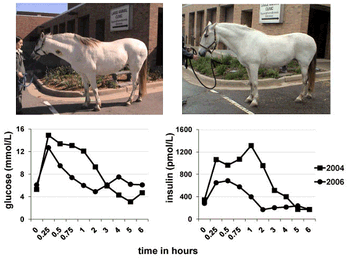
Middle-aged obesity (body condition score 7-9 on a scale of 1 to 9) accompanied by insidious-onset laminitis is a syndrome that has been recognized by equine practitioners for decades. Equine metabolic syndrome (EMS) is a recently coined name that has gained acceptance to describe this condition.
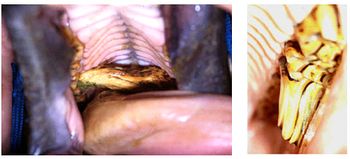
Weight loss or ill thrift is a common presenting complaint for many medical problems of horses. These cases can be frustrating because physical exam findings, including rectal palpation, are often unremarkable. However, an ordered approach to further evaluation is useful for equine practitioners to diagnose many medical disorders as well as to determine when referral to a hospital may be the next logical step.
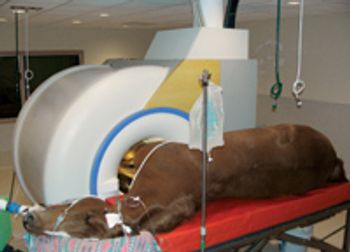
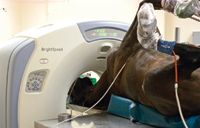
During the last few years, magnetic resonance imaging and computed tomography have made significant improvements in assessing equine tissue damage and diagnosing disease.
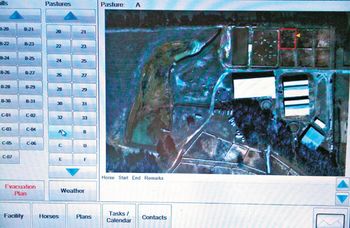
A combination of forces are currently redefining the construction of buildings, homes, barns and businesses.
Ithaca, N.Y. -- Cornell University researchers are developing a new way to help horses fight equine herpesvirus.
This common disease in Thoroughbred racehorses hurts performance.
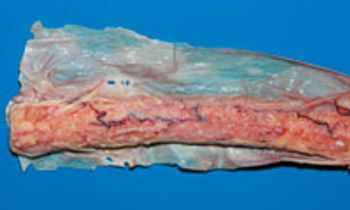
The trials of diagnosing neurologic disorders.
Mount Horeb, Wis. -- The ability to choose certain genetic traits in equine embryo transfer just took a giant step forward.
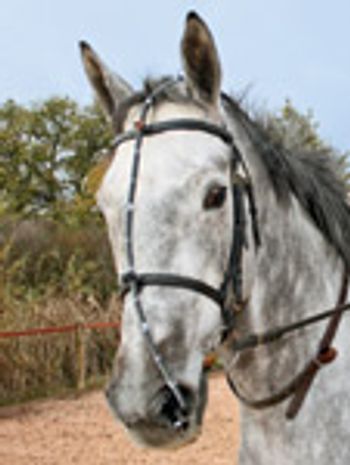
A new development in the diagnosis of upper airway disease
Roseland, N.J. -- After a successful inaugural year in 2009 in which more than 2,500 horses received free vaccines, the Unwanted Horse Veterinary Relief Campaign (UHVRC) is accepting applications again this year, with a deadline of Feb. 1 for spring vaccinations and Aug. 1 for fall vaccinations.