














How to judge a tricky problem with objective tools.
How to judge a tricky problem with objective tools.

Dr. Larry Bramlage to discuss surgical treatments and more at AAEP.

In this on-demand AVMA course by Dr. Dietrich Volkmann, suggestions for routine post-resolution care of equine dystocia as well as a list of the most common complications will be offered. (1 CE credit)
This on-demand AVMA course by Dr. Mary S. DeLory is a basic discussion of the key concepts of equine dental equilibration. (1 CE credit)

National Report -- Six major equine organizations have endorsed a new equine welfare code, according to the American Quarter Horse Association (AQHA).
The genetic sequence of the domestic horse has been completed.
There have been several surgical procedures developed in the last few years to aid in treating musculoskeletal disease in horses.

Compounded drug formulation for use in equine clinical practice has at least two clearly ethical appeals, one contentious issue, and one non ethical practice.
Osteoarthritis and cervical pain can present with clinical. Almost all skeletal preparations of horses over 18 years old have evidence of arthritic changes.
The answers, with complete explanations, are provided.
Its 'the great imitator' because of varied clinical signs, intensity.
The Global Equine Research Alliance designed and carried out the following work.
In recent years there have been advancements in the use of biological therapies for musculoskeletal disease.
Medical management of human athletes is a billion dollar a year industry and there are some aspects that are similar to the equine industry.
Selection of treatments for joint disease in horses is complicated by the fact that there are so many options to choose from.
Effective management of developmental orthopedic disease (DOD) in horses often requires intensive monitoring and willingness to change approaches based on the incidence of disease.
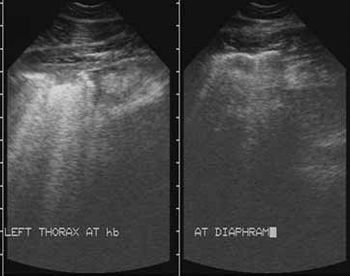
This case represents what clinical impression indicates is the most common form of pleuropneumonia seen in equine practice.
Thorough and timely assessment play a significant role in successful treatment of the critical colic
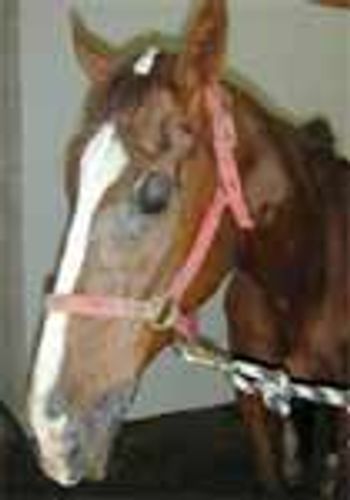
The neurological examination should be performed with great care and with age and use differences in mind.
Guidelines for evaluating equine foot lameness
Assessment and stabilization of equine musculoskeletal trauma
Guidelines for equine intra-articular therapy
Assement of reproductive emergencies in the mare
Guidelines for managing the colic patient
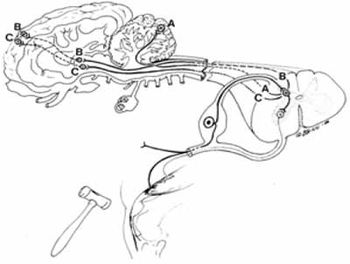
Neurologic gait deficits should be evaluated with basic systems and physiology in mind.