











Banner - Fetch Kansas City 2026

Dentistry

Latest News


CME Content


i8_t-162184-1384775146353.jpg

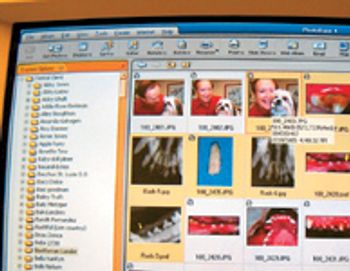
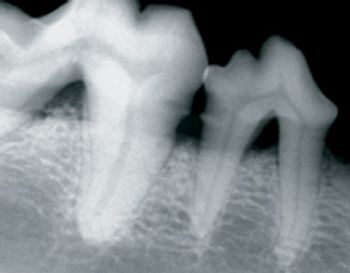
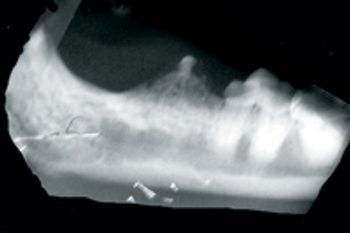
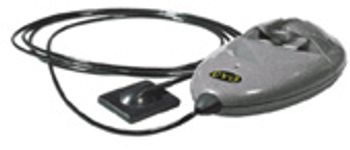
Frequently, dental cases present to animal hospitals for treatment of halitosis. Daily tooth brushing, although a noble idea, is rarely practiced. Clients rarely see their pet's teeth. They bring their dog or cat to the veterinarian to have the teeth cleaned and polished. Hopelessly effected teeth are extracted without the client ever seeing the true extent of disease or areas of special attention for home care. Thanks to digital photography and inexpensive software, bringing your client into his or her pet's mouth is now within every practitioner's reach.

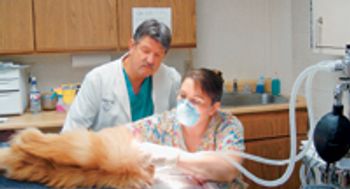
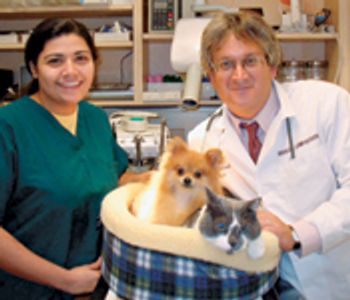
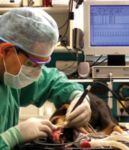
Dr. Brad Rosonke, owner of Hillside Animal Hospital in Scottsdale, Ariz., has little interest in dentistry. But he knows that offering dental services means better care for his patients. His solution: Hire a dental resident--in his case, Dr. Peter Bates--to visit his practice on a regular basis. "This is a win-win-win situation," says Dr. Rosonke. "Dr. Bates needs to see more patients during his residency, I'm now free to see other patients while he's taking care of dental issues, and our clients get more complete care for their pets."

i1-146612-1384783973182.jpg

As many of you are aware, February is national pet dental health month. In the past few years, many of us have ratcheted up our dental care skills, yet I often feel we still don't always do all the dental procedures our patients need.

i4-152698-1384781396458.jpg

As a small-animal practitioner, you spend a good portion of your day diagnosing and treating periodontal disease. Unfortunately, due to differences in salivary pH, our patients accumulate plaque and develop calculus five times faster than people. Research shows that 80% of dogs and 70% of cats show signs of gingival disease by the age of 3 according to the American Veterinary Dental Society. Periodontal disease can cause halitosis and pain and may be related to kidney and heart disease.

i4-146913-1384783291496.jpg

As a small-animal practitioner, you spend a good portion of your day diagnosing and treating periodontal disease. Unfortunately, due to differences in salivary pH, our patients accumulate plaque and develop calculus five times faster than people. Research shows that 80% of dogs and 70% of cats show signs of gingival disease by the age of 3 according to the American Veterinary Dental Society. Periodontal disease can cause halitosis and pain and may be related to kidney and heart disease.

i4-99217-1384790603155.jpg

Coming in August: Dr. Carmichael will complete his discussion on feline oral diseases including odontoclastic resorptive lesions, treatment options for fractured teeth, feline gingivitis/stomatitis syndrome and feline oral neoplasia.

image3-72941-1384853069962.jpg

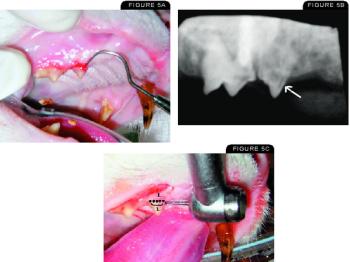
When presented with a patient that has a fractured tooth, the practitioner is faced with options for care: do nothing, follow the patient with serial radiographs, place a crown on top of the fracture with or without performing root canal therapy, or extract the tooth. The decision is based on patient and client factors. This foundation article will discuss patient factors.

image3-66508-1384852010665.jpg

Orthodontics defined

What is meant by the words overbite, open bite, overjet, level bite, overshot, underbite, anterior crossbite, wry bite, lingually displaced or base narrow canines?

Dental disease is a common health problem in dogs and cats. It can lead to bad breath; swollen, bleeding gums; loose teeth; difficulty eating; and even more severe problems.

The Academy of Veterinary Dentistry (AVD), providing fellowship status to qualifying small animal veterinarians for 13 years, has drafted a plan to extend such status to its equine colleagues.