




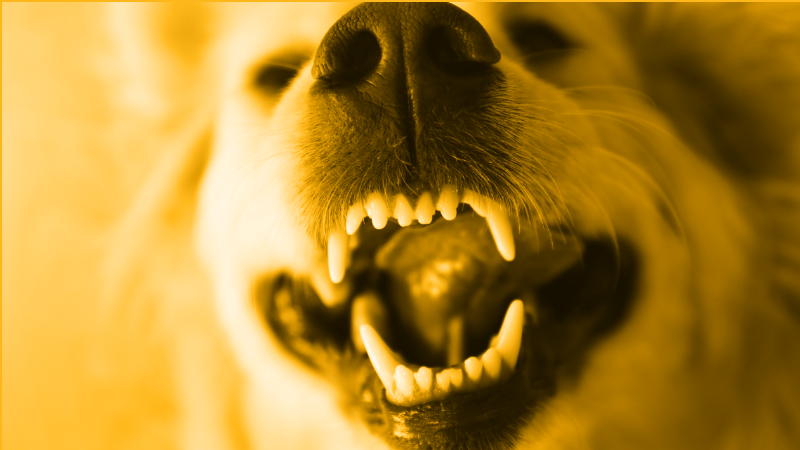















Oral disease is one of the most prevalent diseases in dogs and cats. 80% of adult dogs and 70% of adult cats have some form of oral disease. Dental problems are among the top three pet owners concerns in dogs and cats.
Oral disease is one of the most prevalent diseases in dogs and cats. 80% of adult dogs and 70% of adult cats have some form of oral disease. Dental problems are among the top three pet owners concerns in dogs and cats.
Performing a complete dental prophylaxis entails much more than removing plaque and calculus from the teeth. A thorough dental prophylaxis consists of educating the client, an oral examination, charting disease process, pathology and anomalies, radiographs, both supra and sub-gingival plaque and calculus removal, hand scaling, polishing, irrigation and home care instructions.
In the previous lecture, the importance of being able to identify periodontal indices was discussed as well as the importance of correctly recording that pathology on dental charts. The indices most commonly evaluated are gingivitis, probe depth, gingival recession, furcation involvement, mobility and periodontal attachment.
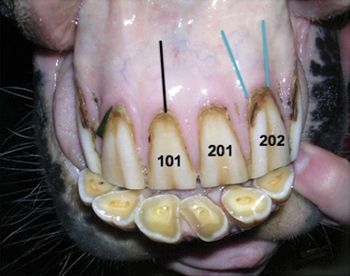
The principles of extracting teeth are very similar, regardless of the tooth one is attempting to remove. Private practitioners are familiar with the routine extraction of wolf teeth (modified Triadan #05). With an investment in instruments, an understanding of techniques, the use of regional head anesthesia, and systemic sedatives, more extractions can be performed with time and patience.
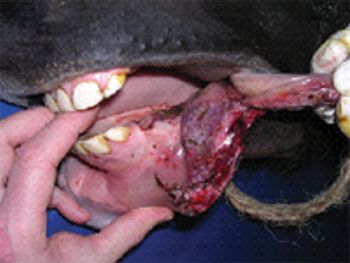
The soft tissues of the oral cavity are susceptible to traumatic injuries by bits or other oral tack, sharp external objects, blows to the head, injury during recovery from general anesthesia, and iatrogenic damage during intraoral procedures-for example, administration of oral medications, dental extraction, or transoral epiglottic entrapment release.
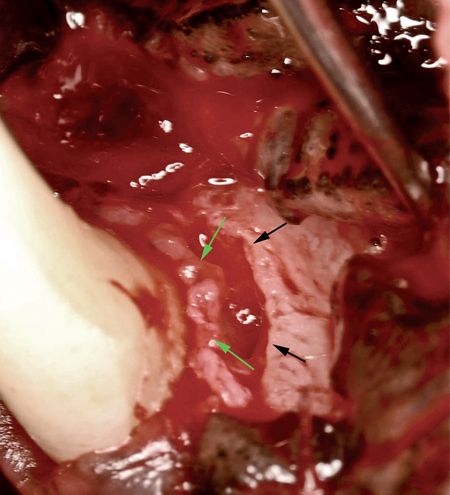
Extractions of teeth in dogs and cats are commonly categorized as simple or surgical, Surgical extractions involve periodontal flaps and the removal of bone to expose tooth roots. Simple extractions in some cases are not always simple as their name implies. Fractures during extraction may require surgical methods to complete the procedure.
Correct management of periodontal patients in veterinary practice demands a thorough understanding of veterinary dental radiographic anatomy, periodontal probing and many times open evaluation and direct visualization of diseased areas. Stage III periodontal disease in particular requires advanced skills and familiarization with periodontal pathophysiology to make decisions to attempt to grow new supportive tissue adjacent to compromised teeth or extract them.
Extractions in dogs and cats are categorized as simple and surgical. Simple extractions are performed where alveolar bone removal is not necessary to facilitate successful extraction. Examples include deciduous teeth, mobile teeth and incisors.
Radiographic evaluation has fast become a common facet of veterinary dentistry and only practices that utilize dental radiography can practice quality dentistry. Interpretation of radiographic changes that occur in the tooth and surrounding bone take many forms.
The largest portion of our dentistry case load in everyday practice involves the treatment of periodontal disease. No other oral malady will present itself more commonly. At the same time proper evaluation of the stage of periodontal disease is determined with probing, visual examination and radiographically.

This author commonly uses lidocaine and bupivicaine combined in the same syringe for regional oral nerve blocks. Lidocaine is not desirable as a sole agent due to its limited effect post administration (1-2 hours).
Prevention and treatment of periodontal disease can only be accomplished through regular professional care under general anesthesia. Multiple steps are involved in this process and the veterinary/technician team plays a vital role in ensuring quality control, efficiency and completeness.
The degree of severity of periodontal disease relates to a single tooth; a patient may have teeth that have different stages of periodontal disease. Here is an outline of the American Veterinary Dental College-approved periodontal disease classifications.
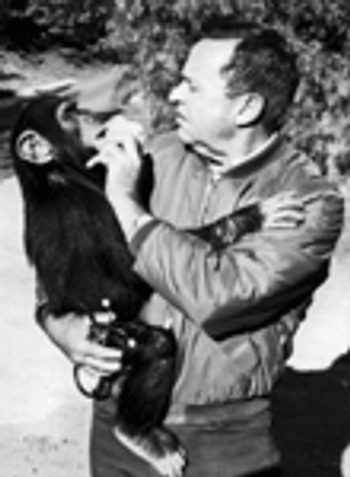
Dr. Robert M. Miller's adventures in wild animal dentistry.

Benign and malignant masses are commonly encountered in the oral cavities of dogs and cats.
Bad breath makes a great video

We wrap a small piece of plastic wrap around the capnograph connection to keep it dry when we perform dental procedures.
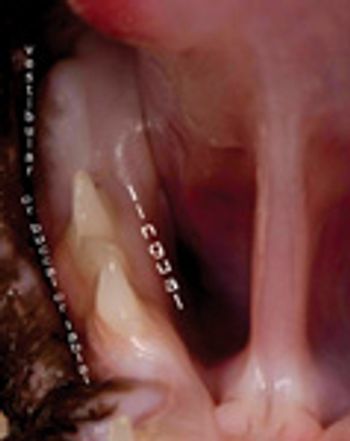
A photo tutorial on surfaces of teeth and directions in the mouth.
Oklahoma City, Okla. -- A bill allowing non-DVMs to float horses? teeth if they meet state certification requirements passed the Oklahoma Senate March 31.
How important is oral hygiene? Just imagine what it would be like if you never brushed your teeth.
"Diamond" is a 12-year-old female spayed Dalmatian that was presented for swelling under the left eye for a two-week duration.

The implementation of veterinary dentistry is increasing in both private and specialty practices. More responsibility is being delegated to the technician, and the expansion of this service relies heavily on a well trained and informed staff. We must remember it is the veterinarian's role to make a diagnosis and prescribe treatment, but it is the technician's role to carry out these orders with competence.
Cats are different! Being obligate carnivores, they do not have "chewing teeth", but instead have carnassial teeth that aid to cut up their food into manageable pieces.
This presentation will summarize the seven disciplines of dentistry, and familiarize the attendee with exodontics, periodontics, endodontics, orthodontics, prosthodontics, restorative dentistry, and oral surgery. Several cases will be reviewed, with a breakdown of why a particular treatment was performed, and the outcome.
The term "prophylaxis" originates from the original Greek, and means to guard or prevent. It applies to any medical term or public health procedure whose purpose is to prevent, rather than treat or cure disease.