


Conference Coverage
Latest News









Advertisement
Shorts
0:45
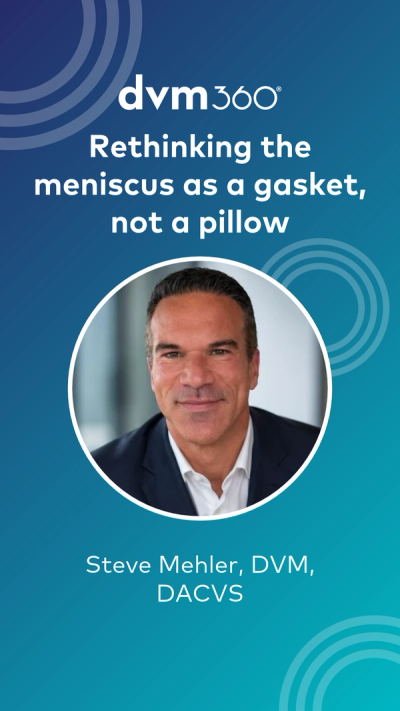
Rethinking the meniscus as a gasket, not a pillow
12 hours ago
by
Steve Mehler, DVM, DACVS(+2 more)

1:09
Find your path to veterinary medicine career satisfaction
17 hours ago
by
Julia E. Miller, DVM, DACVD(+2 more)

1:05
Common phlebotomy mistakes to avoid
a day ago
by
Alyssa Mages, BS, CVT, FVTE(+1 more)
1:47
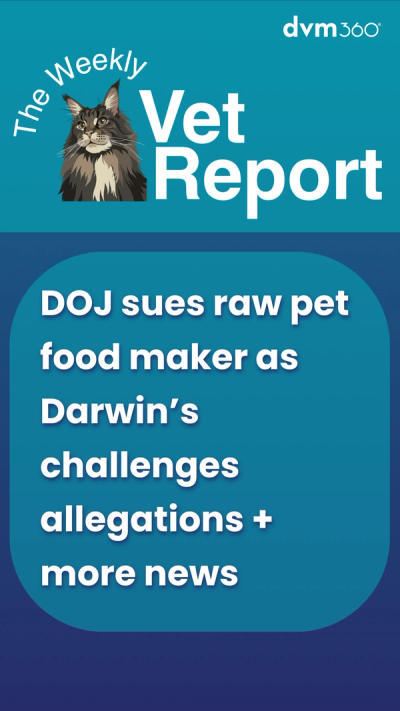
DOJ sues raw pet food maker as Darwin’s challenges allegations + more news
5 days ago
by
Abi Bautista-Alejandre, Assistant Editor
0:49
Why veterinary job seekers should look beyond salary and assess workplace culture
6 days ago
by
Tripp Oliphant, DVM(+1 more)

1:11
Showing up as your best self starts with 3 simple questions
8 days ago
by
Bethany Weinheimer, DVM(+1 more)

1:07
Factoring cost and comfort into itch control options
8 days ago
by
Julia E. Miller, DVM, DACVD(+2 more)

1:38
The risks of taking a wait-and-see approach to heart murmurs
8 days ago
by
Tripp Oliphant, DVM(+1 more)

1:16
New studies back the health benefits of fresh dog food
9 days ago
by
Brandon Stapleton, DVM(+1 more)

0:58
A strong bond with a pet may ease teenagers’ loneliness and social anxiety
10 days ago
by
Vanessa Ashall, PhD(+1 more)











dvm360 Digital Edition
Starting your blood bank by building the foundation first
Big business has tilted the balance in the American veterinary industry, as resources and economies of scale turn corporate chains into powerful foes for hospitals set on remaining independent.

Scripts for confident client conversations

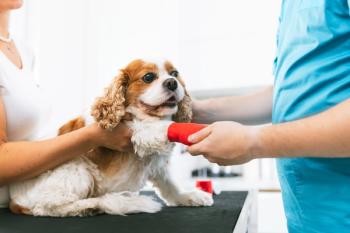
Pyometra is a common and serious illness in adult intact dogs and cats. Because a patient experiencing pyometra may deteriorate rapidly, this condition requires emergency intervention.
A technician’s approach to veterinary trauma

Continuing Education on-demand anytime, anywhere, plus some upcoming live opportunities.
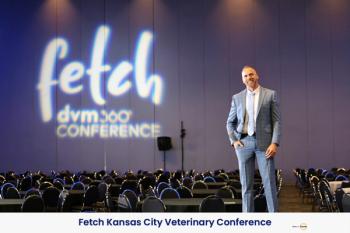
We all get the same 24 hours, whether you are a new graduate drowning in student debt, a technician working a double, or Ariana Grande on tour.

SNAP-P is a proposed high-impact program that would provide at least $4.4 billion in benefits to low-income pet owners at marginal cost to federal and state governments.
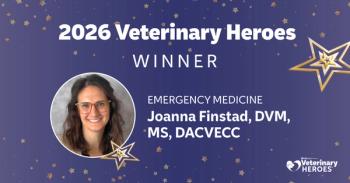
Joanna Finstad, DVM, MS, DACVECC, is dvm360's 2026 Veterinary Hero Emergency Medicine award recipient.
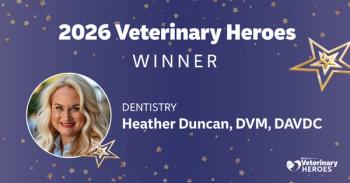
Heather Duncan, DVM, DAVDC, is dvm360's 2026 Veterinary Hero Dentistry Award recipient.
Continuing Education











Advertisement
All News
Advertisement
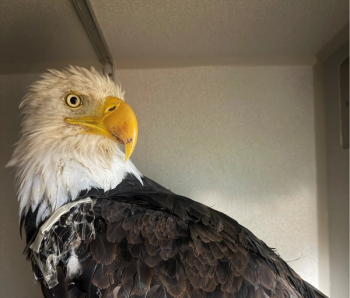
An atypical presentation of the virus led to internal bleeding, anemia, and sepsis in the famous bald eagle whose illness had puzzled her care team for weeks.

A new version of an injectable antibiotic first approved in 2008 is approved for dogs only, because 2 of its inactive ingredients may be toxic to cats.
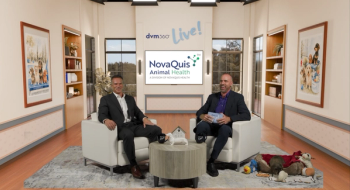
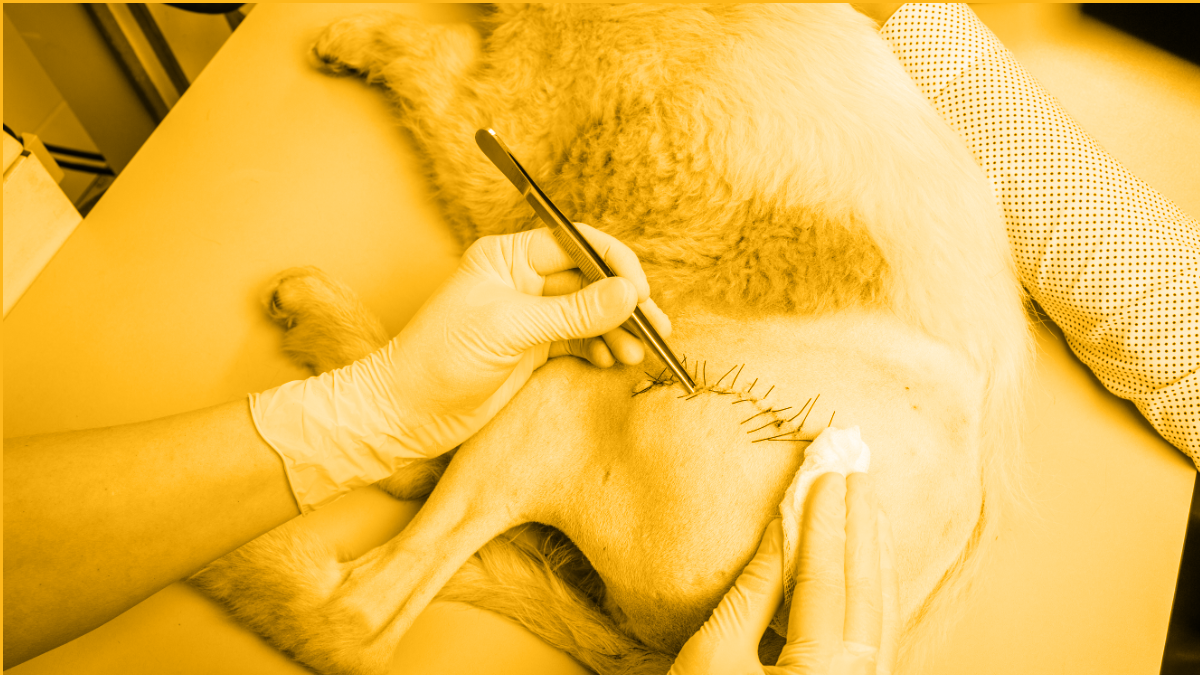
Steve Mehler, DVM, DACVS, joins Adam Christman, DVM, MBA, on dvm360 Live! to explain how ScafiGen works, how to apply it, and how it can support wound care at home.

A veterinary parasitologist explains how tracing larval routes, from skin penetration to nursing, helps clinicians interpret persistent infections, negative fecal results, and anemic puppies.
In the first episode of dvm360’s new podcast Cliff’s Edge, Pamela D. Jones, DVM, DACVIM (Oncology), DACVR (Radiation Oncology), joins host Craig A. Clifford, DVM, MS, DACVIM (Oncology), to discuss where the IDEXX Cancer Dx test fits in canine lymphoma screening.

New leadership moves, recognition, and achievement.

Veterinary professionals may face physical strain from routine tasks such as floor exams, dental procedures, patient restraint, and lifting. Here are 6 common sources of ergonomic risk and strategies to help reduce the strain.
Well-supported technicians are central to every successful hospice program.

Feline care, ophthalmology, dental prevention, and burnout were among the standout topics from The Vet Blast Podcast and The Resilient Vet in 2026.
Purina and RedRover announced 6 new grant recipients. The program has now awarded nearly 70 grants and created more than 335,000 safe nights for survivors and their pets.
Advertisement

Lean-fed Labrador retrievers had a lower estimated biological age than heavier littermates by midlife. The lean-fed dogs also lived nearly 2 years longer.

Here are this week’s headlines.
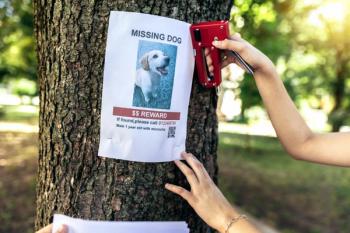
Most lost dogs make it back to their families. Research on how they get there, plus a satellite-connected tracker named to TIME’s Best Inventions of 2026, offers practical lessons for veterinary teams and their own pets.

Housing costs and surprise bills are squeezing pet owners, but in a recent survey, relatively few consumers said they would cut back on veterinary care.
Adam Christman, DVM, MBA, returns as host for season 3, featuring a roundup of recent veterinary news and an appearance by guest Steve Mehler, DVM, DACVS.
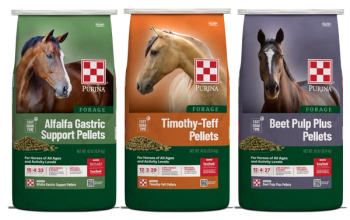
The line targets horses with limited pasture access, chewing difficulties, or specific starch and sugar needs, and can stand in for some or all hay depending on the formula.
In a voluntary dvm360 survey of 146 veterinary professionals, nearly 3 in 4 reported moderate or severe burnout, with administrative burden, workload, and staffing shortages among the most frequently cited stressors. Written responses raised concerns about compensation, client behavior, and revenue-driven appointment quotas.
New guidelines from RECOVER are written for veterinary teams to teach owners, handlers, and other caregivers what to do in the minutes before a pet reaches the clinic.

A recently shared Pet Poison Helpline case traces how a wild mushroom eaten on a walk left a dog unable to stand within hours, and how the team treated it.
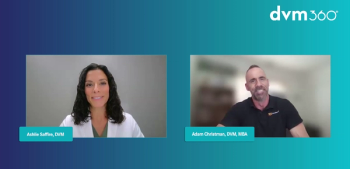
Ashlie Saffire, DVM, Diplomate ABVP (Feline), discusses diagnosing and monitoring feline hyperthyroidism and how Felanorm (methimazole) Oral Solution helps caregivers and clinicians manage the disease.
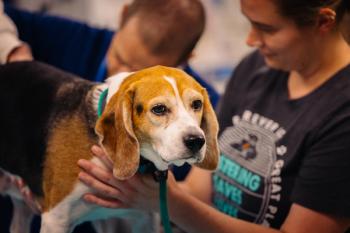
Senior pets rarely come in with just one problem. Nutrition that addresses cognitive decline, joint pain, and coexisting conditions together can help keep aging patients sharp, mobile, and engaged.
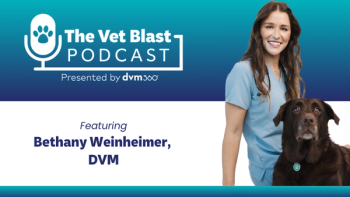
Bethany Weinheimer, DVM, discusses authentic values, the power of “no,” and building a veterinary career that lasts.

With human emergency visits for tick bites at a multiyear high this spring and adult deer ticks most active in cooler months, fall gives veterinary teams a timely opening to reinforce year-round prevention.

Veterinary professionals face elevated suicide risk, influenced by both workplace pressures and personal challenges. This article explores how individuals and veterinary workplaces can strengthen protective factors, foster supportive environments, and improve access to mental health resources.
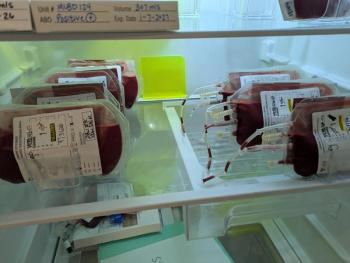
Starting your blood bank by building the foundation first

Migraine caps, eye masks, and wraps may carry a hidden neurotoxic risk for dogs.

New leadership moves, recognition, and achievement.

AB 1999 changes how veterinarians establish the veterinarian-client-patient relationship, creates new pathways for shelter and volunteer work, and limits surgeries performed by animal owners.
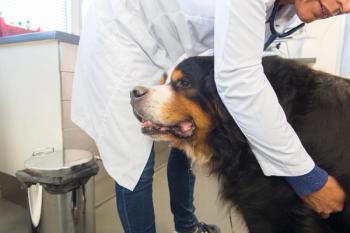
A conversation on how adjusting body positioning and building physical strength can help veterinary professionals manage the physical demands of patient care and reduce injury risk.

An open-source, low-cost sensor developed by Colorado State University and US Forest Service researchers pairs air-quality readings with GPS and physiological data to reveal how wildfire smoke affects free-ranging animals.

A month-by-month guide to regional, specialty, and international meetings with CE opportunities for veterinary professionals before the year ends.

The latest updates relating to animal care establishments and platforms.
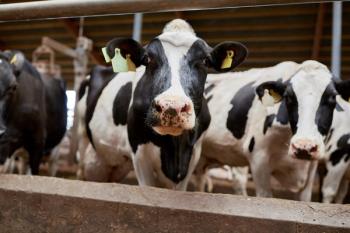
Two herds tested positive after cattle showed signs of illness, marking the state’s first confirmed livestock cases.
Advertisement
Advertisement