






Q: Why are some veterinary practices freezing wages or failing to offer raises?
Q: Why are some veterinary practices freezing wages or failing to offer raises?
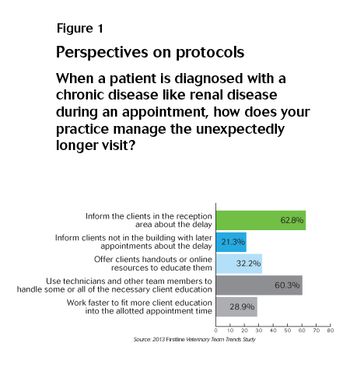
A rigid schedule can leave no time to compensate when you're trying to explain a tricky chronic medical issue, such as renal disease. A loose schedule wastes valuable resources. So how do you get it spot on?
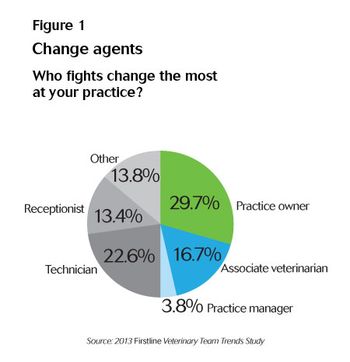
Do you embrace changes and new services?or flee from them? Take a look at the possible changes in store for your practice.
See what your results mean in "BizQuiz: Is stationary or mobile equine veterinary practice right for you?"
This is a question in "BizQuiz: Is stationary or mobile equine veterinary practice right for you?"
This is a question in "BizQuiz: Is stationary or mobile equine veterinary practice right for you?"
This is a question in "BizQuiz: Is stationary or mobile equine veterinary practice right for you?"
Rate yourself with this quiz. Team members, guess your boss's responses, then read "Who's steering your practice?" in July 2013 Firstline for advice on how to work better with your boss.
This is a question in "BizQuiz: Is stationary or mobile equine veterinary practice right for you?"
This is a question in "BizQuiz: Is stationary or mobile equine veterinary practice right for you?"
This is a question in "BizQuiz: Is stationary or mobile equine veterinary practice right for you?"
This is a question in "BizQuiz: Is stationary or mobile equine veterinary practice right for you?"
This is a question in "BizQuiz: Is stationary or mobile equine veterinary practice right for you?"
This is a question in "BizQuiz: Is stationary or mobile equine veterinary practice right for you?"
This is a question in "BizQuiz: Is stationary or mobile equine veterinary practice right for you?"
If thoughts of your veterinarian stir you to feelings of mutiny, consider these tips to weather the storms at work and set a course for smooth sailing.
Use this advice to help veterinary clients ease their pet's anxiety.
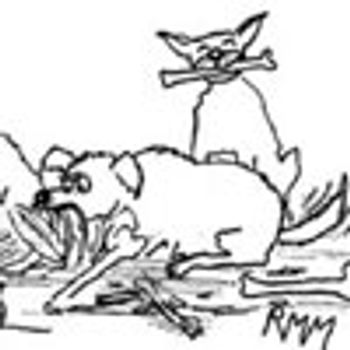
Grab some laughs between veterinary client visits!

Warn your clients that cicada consumption is bad for their pets.
Use this form to brainstorm the bottlenecks in your veterinary practice.
This course is designed as an introductory course for people who will be fulfilling a veterinary clinic reception job description. Course module topics include receptionist job traits and skills, professional appearance, offering superior customer service, the basics of communication, the veterinary medical record, making appointments, and basic veterinary medicine.

This course is designed for every member of the practice team to improve communication. Topics covered include elements and styles of communication, facilitating communication, how to recognize conflict in a timely manner, dealing with conflict in a constructive manner, how to effectively communicate with clients who are upset or emotional, and developing a communication code of conduct specific to your practice. (5 CE credits)

This 3-week course addresses the management of meetings, including the different personalities within the team and how to redirect the meeting when those personalities interfere with a positive outcome. In addition, the course provides resources, which will allow meetings to be enjoyable while still accomplishing specified meeting goals. There is a training module devoted to more advanced meetings that focus on the management and financial success of the practice including increased compliance. (10 CE credits)
Use this advice to gain acceptance for your new idea.
On the road to veterinary practice improvement, carefully crafted solutions that involve the team win the race.
Find out which freshness packets are toxic to dogs.
Help pet owners who don?t bring their cats to the veterinarian by asking about them.
Review each role to discover how every team member can help initiate parasite prevention conversations with clients.
The dvm360 Resource Guide offers assistance to build the 13 critical competencies identified by the VHMA.
A reader tip to learn from others before you make the same mistakes.