

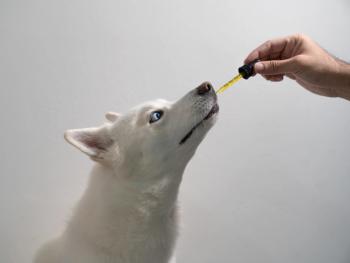
CBD and cannabis are a hot topic in veterinary medicine today, but how do you know whether you can trust the information provided in articles and lectures?
CBD and cannabis are a hot topic in veterinary medicine today, but how do you know whether you can trust the information provided in articles and lectures?
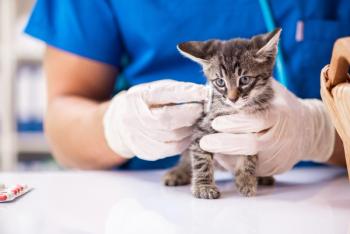
Four state VMAs have joined the major national veterinary organizations in endorsing the spaying and neutering cats before age 5 months.

Practice management software can make managing your veterinary hospital infinitely easier, but choosing the product that’s best for your business is no easy task.

A veterinarian who participated in the 2018-2019 AVMA Fellowship Program considers the implications of gene editing in both food animals and pets.

Compassion-First Pet Hospitals welcomes a large New York practice, furthering its mission of creating long-term partnerships and elevating veterinary medicine.

Antech’s novel blood test allows veterinarians to rule in or rule out IBD early and with confidence in dogs suffering from associated clinical signs.

Researchers recently reviewed the published literature about growth of storage mites on commercial dry pet foods.

One veterinary student explains why establishing veterinary medicine programs at historically black colleges and universities (HBCU) is key to addressing systemic racism within the profession.

By tracking age-related progressions in gene methylation patterns of dogs and comparing them with those previously observed in people, researchers have constructed a new “epigenetic clock” for translating dog years to human years.

Kentucky is the 45th US jurisdiction to accept the certification for licensure from the Program for the Assessment of Veterinary Education Equivalence.

BluePearl is investigating the reasons behind a 70% increase in parvovirus cases seen in its hospitals in recent months.

Data about Paycheck Protection Program use among practices, advice for borrowers, and a look at what’s ahead.

In this episode of The Vet Blast Podcast, married communication experts Drs. Carolyn Shadle and John Meyer share why empathy is so important in veterinary medicine and offer a sneak peek at some of their upcoming Fetch talks.
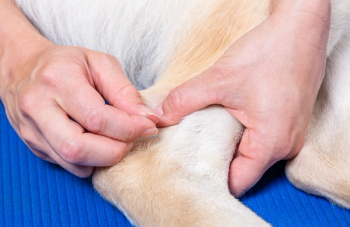
Osteoarthritis is a painful, debilitating condition that affects countless animals. Here’s a look at alternative treatments being used in veterinary practices across the country.

A third-year veterinary student shares the upside to starting clinical rotations during COVID-19.
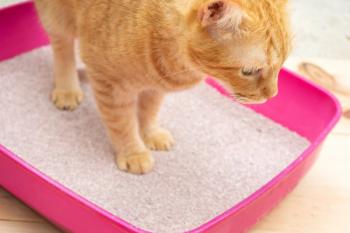
Here’s what you need to know about treating uncomplicated UTIs and recurrent infections.

For most businesses, implementing change is fraught with challenges. That’s why it is crucial for veterinary practice leaders to be able to answer the staff question, “What’s in it for me?”

As pandemic restrictions ease should veterinary practices get to choose whether they stop or continue curbside care?

It’s no mystery that associate veterinarians, in an effort to figure out if their noncompete is enforceable, find themselves trying to solve, well, a mystery.

In explaining how a noxious stimulus in the periphery becomes an electrical impulse in the cerebral cortex, veterinary anesthesiologist Dr. Mike Barletta ultimately makes a case for multimodal pain management.

Learn about the 18 members of our new editorial advisory board, including a few fun (and surprising) facts about their personal lives.
Pets are good for everyone, including the homeless, but how do pets in homeless populations receive basic veterinary care? Enter Dr. John Geller and The Street Dog Coalition.
AAVMP co-founders Hira Basit and Stephanie Kuo hope the organization inspires future generations of underrepresented groups to join the veterinary field.

Three simple simple steps to ramp up your veterinary practice’s online security.

Not getting enough sleep diminishes our focus and is detrimental to our health and wellbeing. Here’s why, and what to do about it.

Check out this week's top headlines.

This exciting event is ideal both for recent graduates and veterinary professionals looking for new opportunities.
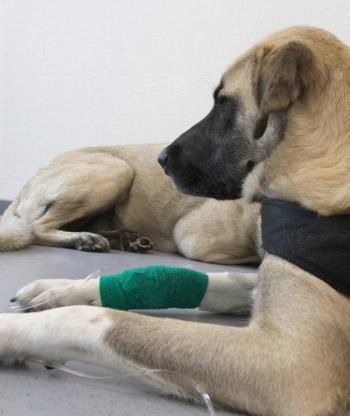
Best practices for short- and long-term therapy, as well as monitoring, in patients with IMHA.
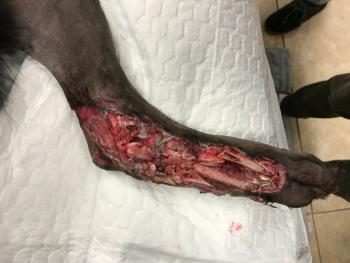
Practical tips for improving your pain protocols and increasing veterinary patient comfort by extending local anesthetic blocks.

More than 1,600 people have signed a petition demanding that the AVMA address systemic racism throughout the veterinary profession.