

Don't shortchange yourself. Think big when designing your veterinary facility and assume you'll need the extra space later.
Don't shortchange yourself. Think big when designing your veterinary facility and assume you'll need the extra space later.
Use this chart to sort out the cause of skin problems in pets.
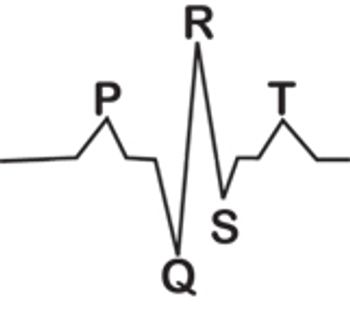
Technicians aren't all destined to be cardiologists. But all technicians should understand what a normal cardiac rhythm looks like and how it's generated.
Firstline editor Kerry Hillard Johnson and Kara Burns, LVT, discuss a recent gathering of veterinary technicians.
This Team Meeting in a Box will help your team members learn about one of the most common problems in veterinary medicine: canine otitis externa and ear infections. (Sponsored by Dechra)
Pets in Japan are still suffering due to the recent earthquake devastation. Find out how you can help by simply lifting a finger.
The human touch may turn a clients into a permanent devotee.
Gary Glassman, CPA, who spoke at the CVC in Washington, D.C., says receptionists and technicians benefit from being aware these numbers.

CVC Washington D.C. Power Hour speaker explains how to engage in more effective conversations.
Use this information to successfully answer clients' questions about their pets' dermatology issues.
Save money, earn cash.
Team members, listen up: A new study says preventable problems in pets are on the rise.
Learn the signs and common treatments for the chronic and acute complications that may develop so you can help catch them early in your feline patients.

Knowing about the drugs your veterinary practice uses is becoming increasingly important as new products emerge and clients become more aware of options. Here's how to educate-and bond-with your clients using your drug expertise.

As a veterinary team member, you expect the unexpected. Here's how to stay calm when dealing with stress.

No team member should have to deal with that verbal abuse. It's time to take the veterinarian aside.
Get a leash, on leashes.
How to respond to "Can I buy this elsewhere?"

Consider the five senses and create a peaceful practice environment for your stressed-out patients.
Use these scripts to turn phone shoppers into clients.
Are you a successful veterinary technician who is considering tackling a new position in the veterinary field? Or are you a technician who has been recently promoted into a management or supervisory position?
How often do you sit back and really think about what amazing things you do every day as a veterinary technician? How frequently do you pat yourself on the back acknowledging your education, training, and skills? Do you ever reflect at the end of the day on what you accomplished during that day?
You all know the feeling of walking into an exam room, proud of your skills as a veterinary technician, confident that you know what is best for the patient, happy to be greeted by that wagging tail, and excited to work together with the client to keep their family member at his healthiest.
Disease caused by parvovirus in dogs (destruction of intestinal crypt epithelium, lymphocyte depletion, neutropenia) is generally more severe than that caused by coronavirus (destruction of intestinal villi). Coronavirus enteritis is often characterized by mild and self-limiting clinical signs.
Chronic diarrhea (i.e., that which persists > 2-3 weeks) usually necessitates a systematic diagnostic approach (which may mean classic tests and/or therapeutic trials). The first question in the patient with chronic diarrhea is whether the patient has an obvious problem such as parasites or an obviously inadequate or poor quality diet.
All patients should be stabilized prior to attempts at decontamination. Once stabilization has been accomplished, decontamination should be considered to prevent systemic absorption of the toxicant.

The estrous cycle of the bitch consists of proestrus, estrus, diestrus, and anestrus. Proestrus is the first stage of heat, when the bitch first shows swelling of the vulva and exudation of serosanguinous vulvar discharge. Male dogs are interested but she does not allow mounting. Estrus, or standing heat, is characterized by softening of the vulva, a change from serosanguinous to a more tan-colored discharge, and flagging and standing by the bitch.
Perform urinalysis within 30 minutes of collection or refrigerate. Allow urine to warm up to room temperature before analysis if it has been refrigerated.
Individualized drug therapy increasingly is being recognized as an important aspect of health care for both human and veterinary medicine. Consequently, veterinarians must reach beyond FDA-approved veterinary products to provide the current standard of veterinary care to their patients.

It has been stated that: Systemic hypertension associated with kidney disease is a very real problem, and has been diagnosed in over 60% of cats with chronic renal disease.