






Sea You at Fetch Long Beach

News


All series


All News

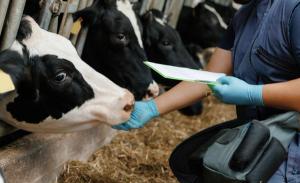
This morning we're going to talk about our least favorite topic – sick cattle. Sick cattle are not fun to deal with, but we're always going to have some of them. I want you to understand that our philosophy should be to invest time at strategic points of the production cycle to reduce time spent at hospitals.
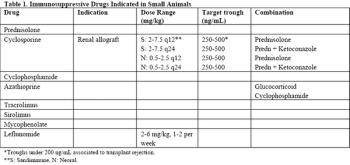
Immunosuppressive therapy in dogs and cats is used to treat a wide range of immune-mediated and inflammatory diseases. Immunosuppressive therapy is best understood, and explained, in the context of the specific disease that is being treated. In order to put the principles of treatment into a clinical context, I will therefore concentrate on treatment of immune-mediated blood disorders.

This presentation concerns the survival and subsequent recovery of a small feline veterinary practice from two events, either of which could have easily shuttered this business. The first event was a devastating fire set by an arsonist which not only resulted in the loss of animal life but which also rendered the business a total loss. The second event was Hurricane Katrina, which literally and functionally destroyed New Orleans and its business environment for months.

Rational pharmacological management of canine and feline liver diseases is built around removal of the inciting cause, specific therapy (e.g. anti-inflammatory, antifibrotic or anticopper agents) and provision of general liver support. Generally speaking, treatment recommendations are based upon the suspected pathophysiology of the disease or extrapolated from the human medical literature and are not based on veterinary clinical trials.

Disorders of the feline exocrine pancreas are common. Feline pancreatitis is classified as acute necrotizing, acute suppurative and chronic non-suppurative. Acute pancreatitis is characterized by inflammation of the pancreas that is completely reversible upon removal of the underlying cause, while chronic pancreatitis is characterised by irreversible histological lesions such as fibrosis and atrophy. Necrosis of pancreatic acinar cells and peripancretic fat with or without inflammation, hemorrhage, mineralization and fibrosis, describes acute necrotizing pancreatitis (ANP).

i1-737202-1384185429635.jpg

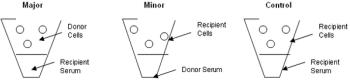
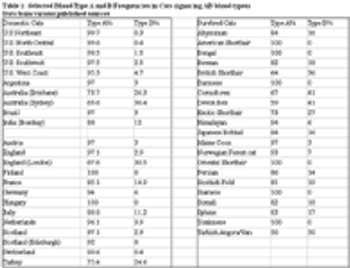
Common transfusion types include fresh whole blood, stored whole blood, packed red blood cells, fresh frozen plasma, and frozen plasma. Other, less common transfusion products include cryoprecipitate, cryo-poor plasma, platelet-rich plasma, platelet concentrate, lyophilized albumin, and lyophilized platelets.

Nonsteroidal antiinflamatory drugs (NSAIDs) are commonly used in veterinary medicine for a variety of reasons including the management of acute postoperative pain and chronic pain associated with degenerative joint disease among other conditions. However adverse effects preclude their use in many patients and severe adverse effects such as nephrotoxicity, hepatotoxicity, and gastrointestinal ulceration and perforation, and death occur infrequently.

The primary hemostatic system alone is not sufficient to provide hemostasis if a large vessel is injured, or if there is significant vascular wall injury. Fibrin needs to be generated in order to form a stable clot, and this occurs through secondary hemostasis, or the coagulation cascade.