







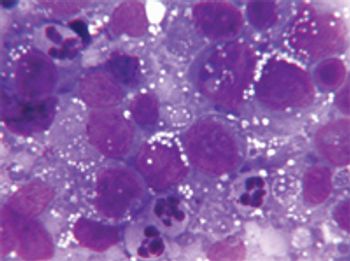
Lymph node sampling and cytology is quick, easy, and usually rewarding. Cytologic samples of peripheral and/or internal lymph nodes may be collected by fine-needle aspiration biopsy or nonaspiration fine-needle biopsy techniques.
Lymph node sampling and cytology is quick, easy, and usually rewarding. Cytologic samples of peripheral and/or internal lymph nodes may be collected by fine-needle aspiration biopsy or nonaspiration fine-needle biopsy techniques.
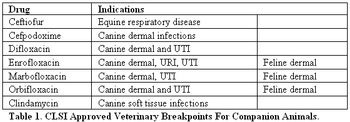
Treatment of bacterial infections can be difficult and frustrating. There are many different opinions for empiric antimicrobial therapy.
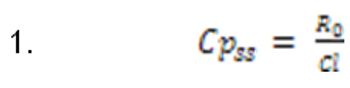
Clinical pharmacokinetics is concerned with the rational, safe, and effective use of drugs. It studies the factors that determine the time course of the plasma concentration of a drug and its variability.

Support of respiratory function in critically ill patients is extremely important because inappropriate oxygenation and/or ventilation can quickly lead to an animal's demise. Also, respiratory infections, especially nosocomial infections, can be quite serious.
Nonsteroidal anti-inflammatory drugs (NSAIDs) are the most widely used analgesic drug class in human and veterinary medicine. NSAIDs are effective due to both peripheral and central mechanisms of analgesia.
Patients presenting with severe respiratory distress have minimal respiratory reserves, so stress during physical evaluation and treatment must be minimized. Quick evaluation of the patient with minimal additional stress (i.e. radiographs, blood draws) is ideal so that accurate therapy can be instituted without delay.
Shock can be classified into general categories: hypovolemic, maldistribution, and cardiogenic. Hypovolemic shock is due to a diminished volume of fluids and can occur in severe dehydration (Parvoviral gastroenteritis, hemorrhagic gastroenteritis) or hemorrhage.
Cardiopulmonary arrest (CPA) is defined as the cessation of functional ventilation and effective circulation. Factors predisposing to CPA may include respiratory or cardiovascular abnormalities (hypoxia, hypercarbia, hypotension, cardiac arrhythmias, or severe anemia); acid-base, electrolyte, or metabolic abnormalities (acidosis, hyperkalemia, hypoglycemia); or hypothermia.
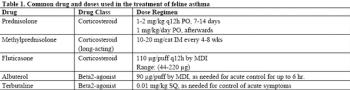
Feline asthma consists of an inflammatory disorder of the lower respiratory system of cats that results in bronchoconstriction and limited airflow to the lungs. Successful therapy of this condition starts with appropriate management of the animal environment and the selection of therapeutic combinations that safely address the long-term and short term needs of the animal.
Patients that have undergone emergency surgery to address respiratory distress are routinely supplemented with oxygen in the early recovery period and are monitored for oxygenation status using physical parameters (respiratory rate, respiratory character, and mucous membrane color), pulse oximetry (SpO2), and, when practical, arterial blood gases (PaO2).

Polypharmacy is increasingly common in the prevention and treatment of diseases in animals. Drug-drug interactions represent one common event associated with multidrug therapy that may interfere with optimal clinical outcome.
Opioids are commonly used in veterinary medicine for their analgesic, sedative, and anti-diarrheal properties. Opioids are also effective antitussive agents and in appropriate doses opioids can provide anxiolytic effects.

For many years, short and long-term therapy of epileptic disorders in dogs and cats has been based on the use of benzodiazepines (e.g. diazepam), barbiturates (e.g. phenobarbital) and bromide, either individually or with different combinations. While phenobarbital and bromide are still widely used for the long-term therapy of epilepsy in dogs and cats, newer agents have become available that can be used as adjunctive or sole therapy.
Acute abdomen is the acute onset of abdominal pain that requires prompt diagnosis and immediate intervention to prevent patient deterioration. The decision to operate depends on efficient diagnostic evaluation, and the timing of the surgery should be based on what will maximize survival and minimize morbidity.
Postoperative management of acute abdomen patients includes general supportive measures and monitoring commonly performed with critically ill patients, analgesic medication, nutritional support, and specific interventions based on the underlying cause of the acute abdomen and/or the surgical manipulations employed to treat the condition.
Belle Meade, Tenn. - The Sunday morning deluge continued unrelenting as two clinic staffers arrived at the Animal Hospital of West Nashville to check on boarded patients.
Morphine cannot be used in cats due to CNS excitement and slow metabolism and morphine causes histamine release in dogs resulting in severe hypotension and the most common adverse effects of opioids are cardiovascular and respiratory depression.

Definite personality changes and behavioral problems can be extremely challenging to the practitioner and extremely frustrating to the client. Some problems are mild and acceptable, while others are major concerns initiating euthanasia discussions. General behavioral changes are elderly patient's desire more attention, are more jealous, are more irritable, are less mentally alert, and have altered sleep cycles.
Unasyn 1.5 g vial (Generic ~$4.50) is commercially available containing ampicillin 1 g and sulbactam 0.5 g. Sulbactam is a beta lactamase inhibitor, therefore many people think of this drug as "injectable Clavamox."
The basic anatomical structures of the esophagus are the upper esophageal sphincter (UES), the body of the esophagus and the lower esophageal sphincter (LES). The entire canine esophagus is composed of two layers of striated muscle, while the distal third of the feline esophagus is composed of striated muscle.
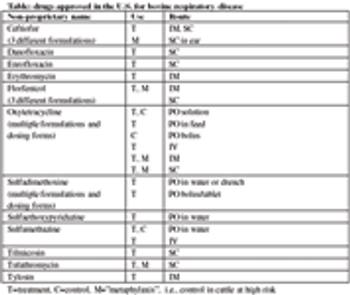
Bovine respiratory disease complex includes bacterial components, which cause the classic clinical signs of lethargy, depression, and fever, with variable nasal discharge, cough, or other signs. This bacterial component of BRD (most commonly Mannheimia haemolytica, Pasteurella multocida, Histophilus somni, and Mycoplasma bovis) may be treated with antimicrobial drugs designed to kill or inhibit the growth of the pathogenic bacteria.
Elevations of in one or more serum liver enzyme activities (LEA) are a common finding on serum biochemical analysis. Liver enzyme measurements do not reflect liver function but rather hepatocyte membrane integrity, cholestasis and enzyme induction.

Take a look at four immunosuppressants used in people that may soon be incorporated into immunosuppressive protocols in veterinary medicine as well.
Species of poisonous snakes found in North Carolina - Pit Vipers (Copperhead (Agkistrodon contortrix), Cottonmouth (Agkistrodon piscivorous. Timber Rattlesnake (Crotalus horridus, Eastern diamondback rattlesnake (Crotalus adamanteus, Pygmy rattlesnake (Sistrurus miliarius), Elapidae Eastern coral snake (Micrurus fulvius fulvius).
On occasion, I feel the need to refer a difficult medical case to another hospital. (Yes, I dump the problem on someone else.)
We've got the latest in the veterinary world, including antibiotic resistance, new legislation on boarding policies, and more.
Stray dogs are attacking Baghdad residents, so officials have taken matters into their own hands. Do you agree with their methods?

See how technician Jennifer Jessen gets rid of that lingering tomcat smell.
A new study has taken the first steps toward looking at alternative forms of oral medications for cats and the perceived ease of administration and patient tolerance.

During ongoing Gulf oil spill, UC-Davis' Oiled Wildlife Care Network lends helping hand in Louisiana