









It is always important to document and handle all materials related to a case as evidence. Often, however, situations arise when veterinarians only later realize that they were witness to an abuse case.
It is always important to document and handle all materials related to a case as evidence. Often, however, situations arise when veterinarians only later realize that they were witness to an abuse case.
Icterus is a term used to describe the clinical appearance of hyperbilirubinemia. While reference values may vary, in most instances a serum bilrubin > 1 mg/dl is considered abnormal but clinically detectable icterus usually does not occur until the bilirubin is > 3 mg/dl.
A range of behaviors harmful to animals may be defined as abuse. This includes both intentional and unintentional harm or neglect. Animal cruelty statutes exist in all 50 states, but legal definitions of cruelty vary.
Nasal discharge is seen most commonly with diseases of the nasal passages, sinuses and nasopharynx. Occasionally disease involving the lower airways (trachea, bronchi, etc) can result in nasal discharge.
The fungal organisms most commonly associated with systemic disease are Blastomyces dermatitidis, Histoplasma capsulatum, Coccidioides immitis and cryptococcosis.
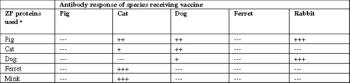
Sterilization = any procedure that makes an individual incapable of reproduction - Castration and vasectomy are reported techniques in males and ovariohysterectomy, ovariectomy, and tubal ligation are reported techniques in females. Castration and ovariohysterectomy are the most common surgical sterilization methods in the United States.
Aspirin (acetylsalicylic acid, ASA) is the salicylate ester of acetic acid and is a weak acid derived from phenol. Aspirin reduces pain and inflammation by reducing prostaglandin and thromboxane synthesis through inhibition of cyclooxygenase. At very high doses, aspirin and other salicylates uncouple oxidative phosphorylation leading to decreased ATP production. Salicylates also affect platelet aggregation.
Congenital portosystemic shunts (PSS) are much more common and certainly much more confusing than we ever imagined. At Texas A&M, we infrequently see the "classic" congenital PSS with the relatively straight forward presentation (i.e., young Yorkie with post prandial hepatic encephalopathy), probably because those cases are efficiently filtered out and never referred to us.
The ASV standards were written to help shelters assess their facilities and strive to make positive changes to better the lives of those animals in their care. Many shelters already meet the requirements, but there may be challenges faced with maintaining some of these standards.
An animal's life can be divided into four stages; pediatric, adult, senior (middle age), and geriatric (senior / super senior). The senior / middle age years represents the transition period between the usually uneventful "healthy" adult years and the traditional "geriatric" age period where serious age related diseases are much more prevalent.
Hyperthyroidism and chronic kidney disease are two common diseases of older cats. They may occur separately or in the same animal.
Prednisone is almost always included in immunosuppressive protocols. The dose is approximately 2.2 mg/kg once daily for most cases; 1 mg/kg in less severe diseases.
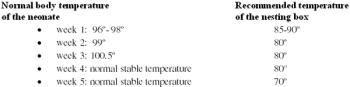
The goal of orphan puppy and kitten care is to maximize their health, well being, and socialization until they can be placed on a foster mother or adopted. The needs of the healthy young are very simple, water, nutrition and the proper environment. Obviously these husbandry issues are more critical in the newborn and the sick than the healthy 8 week old.
Regurgitation occurs when there is either an anatomic obstruction or a physiologic weakness in the esophagus. In either case, food is retained in the esophagus and, if it passively migrates back into the oropharynx, can be regurgitated. The problem should be diagnosed quickly in an attempt to solve it before the esophagus becomes irreversibly-dilated or the patient experiences an aspiration pneumonia.
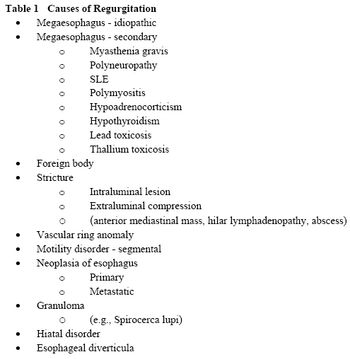
Dysphagia is defined as difficult or painful swallowing. It may be due to obstruction, motility disturbance, or pain. Although dysphagia most commonly indicates a disorder involving the oral cavity or pharynx, esophageal disorders can cause this clinical sign as well.
Hematemesis necessitates a slightly different approach than we take with other vomiting cases because some rule-outs become more likely while others become much less likely. We will be including upper gastrointestinal bleeding of any cause in this discussion.
When concerned with protein loss of any cause, one should measure serum albumin concentrations (NOT serum total protein concentrations). Do not use human clinical pathology laboratories as their technology typically does not detect canine albumin (meaning that they routinely report serum albumin concentrations of < 1.5 gm/dl in clinically normal dogs).
This session will deal with case examples where blood pressure measurement is indicated. This is meant to be an interactive session with participation of the attendees. Your diagnostic skills will be tested as will your knowledge on blood pressure issues.
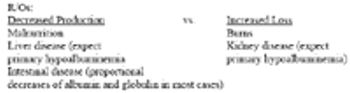
The liver has more biochemical functions than any other organ of the body. It functions in hundreds of diverse metabolic activities including synthesis of plasma proteins; catabolism and storage of carbohydrates; synthesis, degradation, and storage of lipids; detoxification and excretion of many toxic agents; and the formation and elimination of bile.
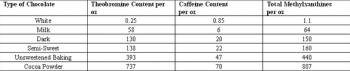
Methylxanthines are alkaloids that occur naturally in plants and are found in tea, coffee beans, cola beans, and cocoa beans. The methylxanthines in chocolate include caffeine and theobromine. Some methylxanthines are used therapeutically as bronchodilators including theophylline and aminophylline.
Citalopram is a Selective Serotonin Reuptake Inhibitor (SSRI). The therapeutic dose in dogs is 1 mg/kg PO q 24 h. Per APCC Database: 1 mg/kg depression and 29 mg/kg tremors, seizures. Citalopram overdose results in serotonin syndrome. Serotonin syndrome is a complex group of clinical signs resulting from the over stimulation of serotonin receptors and can include the following:
Case 1: 12 week old puppy just adopted from shelter. Now omiting/diarrhea/ listless and dehydrated.
Once maldigestion is eliminated, then malabsorptive diseases must be considered. Malabsorptive small intestinal disease is a common cause of diarrhea. However, a substantial number of dogs (and cats) with malabsorptive small intestinal disease have normal stools despite severe intestinal pathology.
Lymph nodes are most often aspirated only if they're enlarged, but they may also be sampled to determine if there's metastasis of a tumor. Peripheral lymph nodes are one of the easier tissues to obtain a fine needle aspirate from as this can be done relatively painlessly.
The use of compounded products in veterinary medicine is a common practice due to the lack of approved veterinary drugs and convenient, palatable administration forms. There is no regulation of pharmacies that compound drugs for veterinary use. There are no standard formulas available to pharmacies to guide them on the optimum methods for ensuring a quality product.
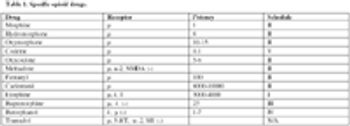
Opioids are classically used for analgesia in cases of moderate to severe pain. They can have other uses and effects, however. Sedation, calming/euphoria, and chemical restraint can all be achieved through opioid use in animals.

Compounded transdermal pluronic-lethicin organo (PLO) gels have become a popular method of drug delivery widely embraced by the veterinary profession, despite the lack of scientific evidence in support of this system. The PLO gels were developed as a practical alternative to traditional drug delivery systems.
Non-steroidal anti-inflammatory drugs (NSAIDs) have been a mainstay of veterinary analgesia for many years. They are frequently used for the treatment of lameness, abdominal pain, inflammation, and fever. Current formulations are cheap, easy to use, and well absorbed.
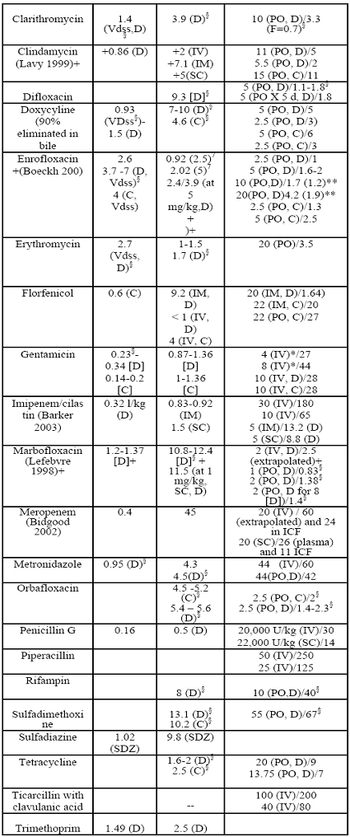
Dosing regimens for antimicrobials should be related to MIC. However, simply achieving the MIC in the patient is not likely to be sufficient for a variety of reasons.
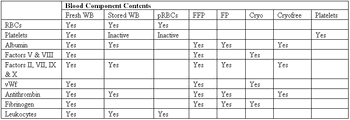
Blood component transfusion is generally provided as supportive therapy for correction of one or more hematologic and/or hemostatic deficiencies, until the underlying disease process can be controlled or corrected. Blood component administration and its immediate endpoints often are only one part of a general therapeutic plan.