








Canine pyometra is considered an emergency in veterinary practice due to the life-threatening nature of the condition.
Canine pyometra is considered an emergency in veterinary practice due to the life-threatening nature of the condition.
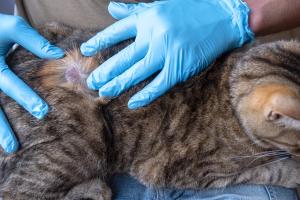
Ringworm is rarely life threatening in household pets, but in the shelter, it can lead to almost unmanageable outbreaks, excessive costs, and euthanasia due to its zoonotic potential.
In shelters, there are many causes of diarrhea in felines.
A range of behaviors harmful to animals may be defined as abuse. This includes both intentional and unintentional harm or neglect.
Canine parvovirus (CPV) poses a serious threat in animal shelters, as a double stranded DNA virus that has rapid spread and the ability to persist in the environment for months to years.
So you have the standards, but now how do you implement them?
It is always important to document and handle all materials related to a case as evidence.
Retrievers and gun dogs often work in conditions of uneven terrain, with poor visibility and extreme ambient temperatures.
One of the most common injuries in sporting dogs involves the shoulder.
When we think of sports for dogs we usually think of racing and coursing or luring as with greyhounds; or of field trial dogs for hunting, or even sled dogs in the Iditarod.
Osteoarthritis (OA) affects diarthrodial joints of small animals including the shoulder, elbow, carpus, hip, stifle, tarsus, and spinal articulations.
The term laser stands for light amplification stimulated by emission of radiation.
Aging is not a disease. However, in the canine athlete, it may seem that they get older faster.
Important considerations when treating cases include concurrent conditions such as those that occur following trauma, prevention of further injury, and repeat examination to identify problems that were not previously diagnosed.
Tendon and ligament injuries can be serious enough to not only affect performance but to end a dogs career.
The U.S Environmental Protection Agency (EPA) defines a pesticide as "any substance or mixture of substances intended for preventing, destroying, repelling, or lessening the damage of any pest".
The veterinarians role in the health care of dogs is changing.
When one is concerned about treating intoxications, the primary emphasis should be on prevention, not treatment.
While most small animals being seen by veterinarians are not herbivorous, they will from time to time ingest plants out of boredom or maybe for other reasons.
This discussion will be divided into OTC products and Illegal drugs for ease of discussion.
Heavy metals have often been a cause of intoxication in companion animals but the number metals that cause a toxicosis is low.
Household products are generally made from complex chemical mixtures.
A venomous animal produces a toxin to attack its prey or defend itself. Animal venoms are protein in nature and primarily enzymes.
Down cattle represent a major welfare issue for the dairy industry.
The adult dairy cow is in a constant battle with infectious agents trying to invade her body and establish disease.
Despite all of the efforts that dairyman and dairy veterinarians have put into mastitis control and milk quality, mastitis continues to be one of the most common diseases on dairy farms.
The periparturient period is a very stressful time of transition for the dairy cow and as a result many diseases, such as milk fever, ketosis, metritis, and fatty liver to name a few are contracted through this period.
Animal welfare is the state of an animal as it attempts to cope with its environment.
Bacterial infections requiring extended antimicrobial therapy (such as pneumonia, peritonitis, sepsis, uterine and dental infection) are a significant cause of morbidity and mortality in camelids.
Respiratory distress is generally defined as outwardly evident, labored respiratory efforts or ventilation i.e. the clinically apparent inability to adequately ventilate and/or oxygenate.
