



















Diaphragmatic hernia should be considered in all patients with a history of trauma.
Diaphragmatic hernia should be considered in all patients with a history of trauma.
Surgical fenestration of the intervertebral space provides a means of prophylaxis on disk disease.
The entire urethra is lined with transitional epithelium with the exception of a small amount near the tip of the penis or urethral tubercle.
The upper airway distress syndrome is composed of three individual conditions that cause animals to have moderate to severe inspiratory dyspnea.
A series of cases in which the Miller?s knot lobectomy was used was compared to use of the standard lobectomy technique.
Reintroducing the "flashing" technique, also useful for wide vascular pedicles requiring ligation
Fish-tossing protests aside, the docket for the AVMA this year was full.
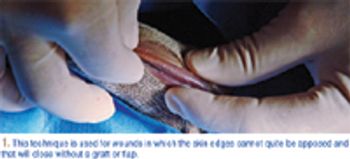
The adjustable horizontal mattress suture is indicated primarily for limb wounds that are either relatively new or are in the wound contraction phase and in which the edges cannot initially be apposed.
The cat's name was Whoops, and it fit the rascal perfectly. He arrived in a pet carrier and would hiss and slap at the cage door if anyone even looked in his direction.
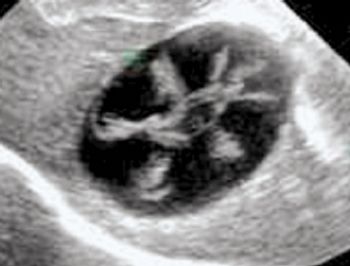
In a recent publication (Walter, R., Dunn, M.E. et al. Nonsurgical resolution of gallbladder mucocele in two dogs. JAVMA, Vol 232, No. 11, June 1, 2008), the authors describe medical resolution of gallbladder mucoceles in two canine patients.
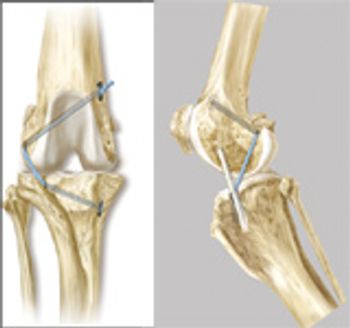
Treatment of cranial cruciate ligament deficiency is the most common surgical procedure performed in veterinary orthopedics.

AVMA's failed ear cropping resolution reignites the cosmetic surgery ethics debate.
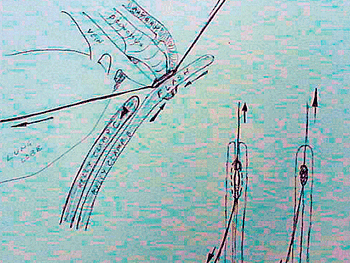
A step-by-step photo package illustrating application of a Miller's knot for veterinarians.
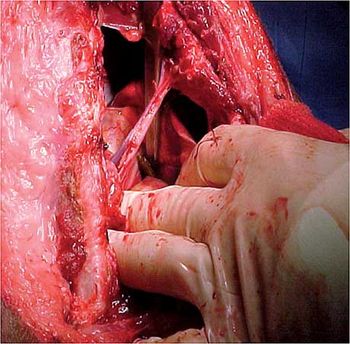
A step-by-step photo package illustrating application of a Miller's knot for veterinarians.
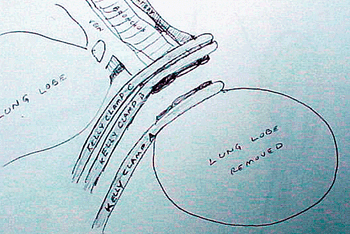
A step-by-step photo package illustrating application of a Miller's knot for veterinarians.
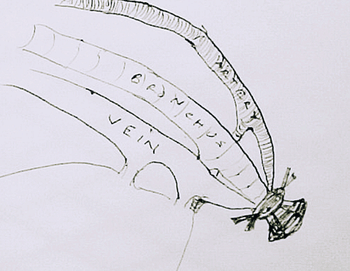
A step-by-step photo package illustrating application of a Miller's knot for veterinarians.
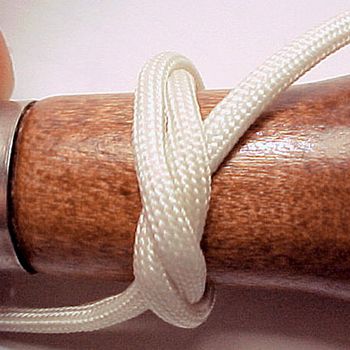
A step-by-step photo package illustrating application of a Miller's knot for veterinarians.
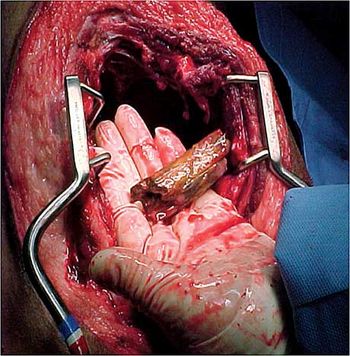
A step-by-step photo package illustrating application of a Miller's knot for veterinarians.
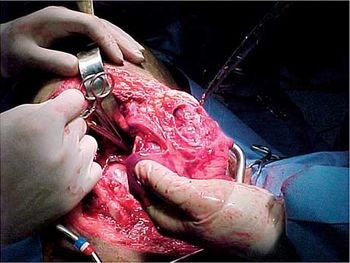
A step-by-step photo package illustrating application of a Miller's knot for veterinarians.
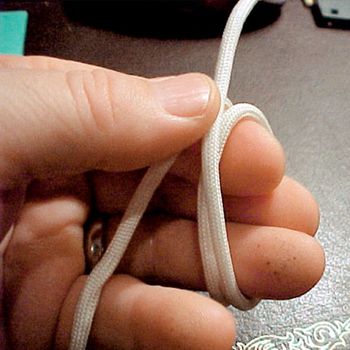
A step-by-step photo package illustrating application of a Miller's knot for veterinarians.
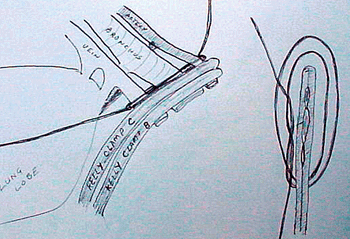
A step-by-step photo package illustrating application of a Miller's knot for veterinarians.
In this video, Dr. Swaim demonstrates how to place an adjustable horizontal mattress suture to close distal limb wounds.
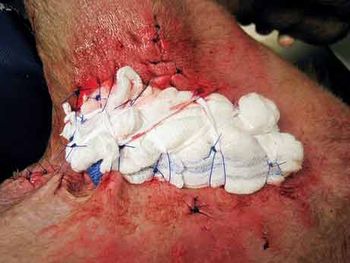
Photo 2: The tie-over bandage is a simple, inexpensive, versatile bandage that is especially useful for covering areas that are otherwise challenging, such as the shoulder, neck, trunk, hip, inguinal region, perineum and caudal thigh.
San Francisco -- San Francisco may become the second U.S. city to adopt legislation banning the declawing of cats for non-therapeutic reasons.
Use this form to educate clients and encourage them to spay or neuter their pet.