










How are your veterinary clients coping with all the major changes your practice has implemented in the face of COVID-19? One practice team shares their experience.
How are your veterinary clients coping with all the major changes your practice has implemented in the face of COVID-19? One practice team shares their experience.
Dr. Christopher Allen takes a look at the potential financial fallout facing veterinary associates and practice owners post COVID-19. He also shares some possible opportunities for those who are prepared.
Idexx Laboratories has made its SARS-CoV-2 (COVID-19) RealPCR Test available in response to requests from veterinarians as well as clinical evidence that animals can—rarely—become infected with the novel coronavirus.

Check out some of the latest veterinary research and more in this week's news highlights.

Our current state of affairs affects companion animals as well as the people who care for them. The National Dog Bite Prevention Week Coalition outlines why it’s more important than ever to incorporate dog bite prevention education into client communication.

Coronaviruses are generally zoonotic, and certainly not news in animal health circles. Therapies shown to inhibit replication of viruses having animal hosts could hold promise for treating the novel coronavirus in people.

Are you remaining optimistic about the future of veterinary practice? This ongoing COVID-19 conversation offers tips for combatting depression and burnout right now, and planning for the future.

This free CE webinar will illuminate best practices for the use of technology, including telemedicine, during the COVID-19 pandemic and beyond.

SPCA International offers unique insight on how the coronavirus pandemic is affecting animal shelters and rescues throughout the world, what’s being done to help now and what will be needed when the crisis is over.
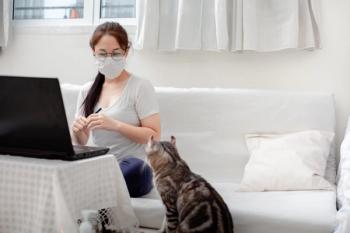
The coronavirus pandemic has generated more questions than answers so far, but a recent webinar outlines what we do know, including infectivity in animals, and what precautions pet owners and practices should be taking.

The barrage of COVID-19 research has begun, including studies that have not yet been qualitatively reviewed for the validity of findings or suitability for publication. Here's what you should keep in mind.
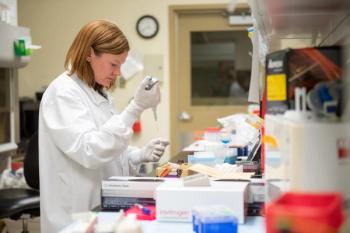
An engineered form of a common bacteria may be the key to creating a vaccine against the novel coronavirus.

What does "normal" look like in a 33,000-square-foot emergency and specialty veterinary hospital during the COVID-19 pandemic?

A New Jersey practice owner shares the changes his practice has made in order to prevent the spread of COVID-19. It's been a rough time in many ways, but he couldn't be prouder of his staff and clients.
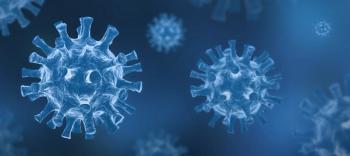
The association shared with its global veterinary audience news of the first animal in the United States to test positive for the virus, plus preliminary international research on transmission and treatment.
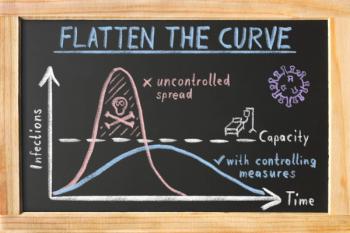
More on the essential work veterinary practices are doing right now and the key role they play in slowing the spread of the virus.
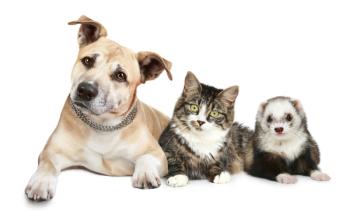
Nascent research from China details the potential for infection with SARS-CoV-2 in domestic animal species, including ferrets, cats and dogs, as well as some livestock.

Take a listen as veterinary experts detail how COVID-19 is impacting the veterinary profession—and what the future may hold.

A small group of big cats in New York appears to have been infected with the novel coronavirus by an asymptomatic zoo employee. Here’s what happened—and what it means for cat owners.

Want to be in the know? Check out the veterinary news highlights from this week.

Certified leadership and wellness coach Kristina Guldbrand shares some tips to help you keep your veterinary team connected during these challenging times.

California house-call veterinarian Dr. Patrick Mahaney shares some of the changes he’s implemented during the COVID-19 pandemic.

A symptomatic cat in Belgium has tested positive for the novel coronavirus, but experts reiterate that there is no proof that animals can transmit the disease.

A flagship study details tick infestations in pet dogs and cats in the United States.

Before our headlines and newsfeeds contained almost exclusively COVID-19 news, who could have imagined the transformation our daily lives would undergo at both work and home?