






Experts agree that in the face of the COVID-19 pandemic, veterinarians need technology in their practices today more than ever. Whether you're a technology novice or an expert, there's always more to learn.
Experts agree that in the face of the COVID-19 pandemic, veterinarians need technology in their practices today more than ever. Whether you're a technology novice or an expert, there's always more to learn.

Among the many adjectives that might describe working in a veterinary practice, ‘dangerous’ is likely not among the first that come to mind. But maybe it should be.

Are you remaining optimistic about the future of veterinary practice? This ongoing COVID-19 conversation offers tips for combatting depression and burnout right now, and planning for the future.

The necessary changes veterinary practices have made to promote social distancing during the COVID-19 outbreak are sparking all sorts of ideas about new ways to run a veterinary practice once the crisis is over.

This free CE webinar will illuminate best practices for the use of technology, including telemedicine, during the COVID-19 pandemic and beyond.

The coronavirus pandemic has generated more questions than answers so far, but a recent webinar outlines what we do know, including infectivity in animals, and what precautions pet owners and practices should be taking.
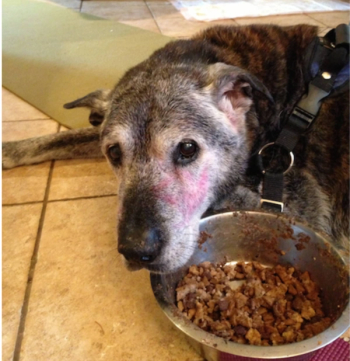
New protocols in the face of COVID-19 have impacted most aspects of veterinary practice, perhaps none more so than euthanasia procedures.

Fleas have a supersonic life cycle and fireball breeding power, but many veterinary clients don’t grasp the behemoth problems these arthropodal dynamos can create. That’s where you come in.

Certified leadership and wellness coach Kristina Guldbrand shares some tips to help you keep your veterinary team connected during these challenging times.

Veterinarians and veterinary teams regularly do wonders for pets. Here are five ways you can show gratitude to the ones making sure your beloved family members are happy and healthy this holiday season.

If the hospital owner constantly discredits the guidance you provide to your veterinary team, having that uncomfortable conversation with him or her about how their behavior makes you feel could help set things straight.

We live in a hypercritical society. And veterinary professionals are usually first in line to blame themselves for all kinds of things, mistakes or not. But If youre so busy reassuring your veterinary clinic employees that youre negating performance issues entirely, you need these tips.

Use this strategy to help increase your clientele and gain a larger presence in the community.

The best outcome in patients receiving opioids requires the ability to differentiate pain from dysphoria. A veterinary technician specialist shares her approach.

Implementing these changes could help your veterinary practice realize thousands of dollars.

Making up good stories about how a veterinary colleague didnt mean to hurt you with the negative comment or bad interaction is key to improving a veterinary hospitals work culture. And it starts with managers modeling that behavior.

If you want to schedule a luncheon at my veterinary hospital, a few stationery items would not go amiss.