







The conference will now be held in March 2021, immediately preceding the BSAVA Congress, so talks of a combined registration fee are underway.
The conference will now be held in March 2021, immediately preceding the BSAVA Congress, so talks of a combined registration fee are underway.

COVID-19 restrictions have afforded pet owners much more time with their furry friends, leading to big changes in their attitudes toward pet ownership and veterinary care.
Here’s what you need to know to build an exceptional veterinary practice culture that your clients want to be part of.
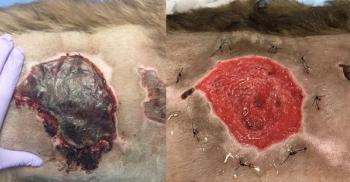
Why, when and how to incorporate honey and sugar into your veterinary wound healing arsenal.

How do you transition from a well-planned final year of veterinary school to the unprecedented realm of cyber-clinics? How do you stay connected with your future profession from your couch?

Your veterinary practice may not be cluttered (or maybe it is), but that doesn’t mean it’s organized. Take these tips and make your space more efficient, attractive and tranquil.

Check out this week's top veterinary headlines.

Testing by the USDA confirms that this the first case of the virus in a pet dog in the U.S.

Brand new veterinarian Dr. Stéphie-Anne Dulièpre shares some of the challenges she faced as one of very few people of color at her veterinary school.

As restrictions are lifted on businesses around the country, many veterinary practices are weighing their options for how to proceed with caution while maintaining safety for staff and clients alike.

The breakroom in your hospital can serve multiple functions, all of which lead to a more productive and enthusiastic veterinary team.

Here are some tips to help your veterinary team cut back on overtime.

COVID-19 has tested our skills and forced veterinary practice owners, associates and teams out of our comfort zones in many ways. It has also taught us some important lessons along the way.
Although it has been effective in raising pet adoption rates, one veterinarian thinks this marketing campaign has a dark side. Here is what she proposes instead.

There may be disagreement about the reasons why relatively few minorities join the veterinary profession, but we all agree that increasing diversity and inclusion should be a priority.

The dilemma: Should you give special recognition to your front-line veterinary practice team in light of the fact that others were unable to work during COVID-19?

How do you feel about ghosts, clowns, drowning, bankruptcy, heights and Freddy Kruger? This Texas veterinarian recently had occasion to analyze his own worst fears, and here’s what he learned.

If immune-mediated hemolytic anemia makes you crazy, you are not alone. Here’s the lowdown on diagnosing this confounding disease.

Hint: It’s not a one-size-fits-all approach.

COVID-19 is turning the veterinary industry on its head, with effects that are both positive and negative.
Causes of feline diarrhea range from simple infection to cancer. By characterizing the diarrhea and running simple tests, the practitioner can identify the pathology and stop the mess.

As shelter-in-place restrictions are lifted throughout the country, the full impact of the pandemic shutdown will come into clearer focus. Here are four major challenges veterinary practices can expect—and how to handle them.

Veterinary ophthalmologist Dr. Ron Ofri shares a few tips to help in diagnosing blindness in your veterinary patients.

Euthanasia should be a gentle death, but when it’s not—for whatever reason—it is incumbent on veterinary teams to address the situation with their clients and themselves.

Matters of the heart can get tricky. That’s why we’ve developed a host of tools to help you get a handle on heartworm disease in dogs and cats. (With an educational grant provided by Bayer)

Your clients might question the need for annual heartworm testing if their dog has been on a preventive throughout the year. Now you can give them the answers easily.

A veterinary practice manager and consultant shares from personal experience why some team members are disengaged—and what to do about it.

Why cats shouldn’t be overlooked when it comes to routine heartworm testing.

Nutritional information is a key part of a veterinary patient’s history and crucial to good medical case management, yet this information can be elusive. According to the results of a new study, how you phrase your question can make all the difference between an ample answer and a lean response.
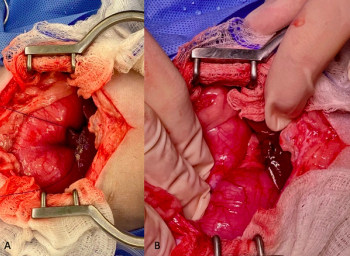
A guide for general practitioners in performing hepatic guillotine and punch biopsy techniques.